
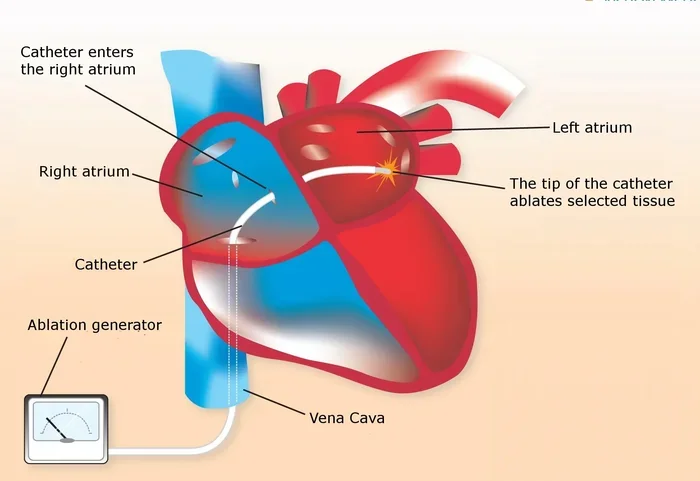
Ablation meaning refers to a medical procedure that removes or destroys tissue to treat various health conditions. This ablation treatment is commonly used for heart rhythm problems, cancer, and chronic pain. Understanding ablation definition helps patients make informed decisions about their care.
Have you ever heard the word ablation and wondered what it really means? You are not alone. Many people come across this term when their doctor mentions a treatment option. The ablation meaning is simpler than most people think. At its core, ablation is a medical procedure that removes or destroys tissue in the body. Doctors use it to treat a wide range of health problems. From heart rhythm issues to chronic pain, this technique has changed modern medicine. In this guide, we will break down everything you need to know. You will learn the ablation definition, the different types available, how the procedure works, and what to expect during recovery. Let us dive in.
Understanding ablation treatment can feel overwhelming at first. Medical language often seems confusing and hard to follow. But the truth is, the concept behind ablation is quite straightforward. Whether your doctor recommends cardiac ablation for a heart condition or endometrial ablation for heavy bleeding, the basic idea stays the same. A doctor targets specific tissue and removes or destroys it. This helps stop abnormal signals, reduce pain, or treat disease. The goal is always to improve your health with the least amount of damage to surrounding areas. This guide will make the topic clear and easy to understand.
Key Takeaways
- Ablation definition: A medical procedure that removes or destroys tissue using heat, cold, or chemicals to treat health conditions.
- Multiple types exist: Cardiac ablation, endometrial ablation, radiofrequency ablation, and cryoablation are among the most common forms.
- Minimally invasive option: Most ablation procedures use small incisions or catheter-based techniques, leading to faster recovery.
- High success rates: Many ablation treatments show strong outcomes for conditions like arrhythmia and chronic pain.
- Risks are manageable: Common side effects are mild, and serious complications are rare when performed by experienced specialists.
- Recovery is usually quick: Most patients return to normal activities within days to a few weeks.
- Consult a specialist: Always discuss your specific condition with a doctor to determine if ablation is right for you.
📑 Table of Contents
- What Is Ablation? Understanding the Meaning
- How Ablation Procedures Work
- Common Types of Ablation Treatments
- Why Doctors Recommend Ablation
- What to Expect Before, During, and After Ablation
- Benefits, Risks, and Recovery Tips
- Ablation vs. Other Treatment Options
- Final Thoughts on Ablation Meaning and Its Role in Healthcare
What Is Ablation? Understanding the Meaning
The ablation meaning in simple terms is the removal or destruction of body tissue. Doctors use this technique to treat medical conditions that do not respond well to medication or lifestyle changes. The word comes from a Latin term that means “to burn away.” But today, ablation does not always involve burning. Modern techniques use cold, radio waves, lasers, or chemicals. Each method targets problem tissue with precision. The result is the same. The unwanted tissue is removed or disabled. This allows the body to heal and function better.
There are many reasons a doctor might suggest this procedure. Some patients need it for heart problems. Others need it for uterine conditions or skin issues. Ablation therapy has become a go-to option because it is often less invasive than traditional surgery. Most procedures involve small cuts or even no cuts at all. A thin tube called a catheter is guided through blood vessels to reach the target area. This means less pain, shorter hospital stays, and faster healing times. Patients often appreciate these benefits when comparing options with their doctor.
Why Ablation Matters in Modern Medicine
Medicine has come a long way over the past few decades. Ablation procedures are a great example of how technology improves patient care. In the past, doctors had few options beyond open surgery or long-term medication. Today, minimally invasive ablation offers a middle ground. It provides effective treatment without the long recovery times of traditional surgery. Patients can often go home the same day or after a short stay. This is a huge advantage for people with busy lives or families to care for.
The ablation success rate is another reason this treatment has grown in popularity. Many studies show that ablation works well for conditions like atrial fibrillation and chronic pain. Success rates vary depending on the condition and the type of procedure used. But overall, most patients experience significant improvement. Some even see their symptoms disappear completely. This makes ablation a compelling option worth exploring with your healthcare provider.
How Ablation Procedures Work
Now that you understand the ablation definition, let us look at how the procedure actually works. The process depends on the type of ablation being performed. But most share common steps. First, the doctor identifies the problem area. This is done using imaging tests like ultrasound, MRI, or CT scans. These images help the doctor see exactly where the tissue is and how to reach it safely.
Next, the doctor delivers energy to the target tissue. The type of energy used depends on the procedure. Some methods use heat. Others use extreme cold. The goal is always the same. Destroy or remove the problematic tissue while protecting healthy surrounding areas. After the procedure, the body naturally heals. Scar tissue may form in the treated area. This scar tissue often blocks abnormal signals or stops bleeding.
Energy Sources Used in Ablation
Different types of energy are used to perform tissue ablation. Each has its own strengths. Here are the most common methods:
- Radiofrequency ablation: Uses heat generated by radio waves to destroy tissue. This is one of the most popular methods.
- Cryoablation: Uses extreme cold to freeze and destroy abnormal tissue. It is often used for heart conditions and some cancers.
- Laser ablation: Uses focused light energy to target and remove tissue with high precision.
- Microwave ablation: Uses microwave energy to heat and destroy tissue. Commonly used for liver and kidney tumors.
- Chemical ablation: Uses a chemical substance to destroy tissue. This is less common but used in specific cases.
Each method has its own advantages. Your doctor will choose the best option based on your condition, the location of the tissue, and your overall health. The goal is always the safest and most effective outcome possible.
Common Types of Ablation Treatments
Not all ablation procedures are the same. Different conditions require different approaches. Understanding the types can help you feel more prepared when talking with your doctor. Below are the most common forms of ablation therapy used today.
Cardiac Ablation
Cardiac ablation is one of the most well-known types. It treats irregular heartbeats, also called arrhythmias. During this procedure, a doctor guides a thin tube through a blood vessel to the heart. The tip of the tube delivers energy to the area causing the abnormal rhythm. This creates scar tissue that blocks the faulty electrical signals. Many patients with atrial fibrillation or supraventricular tachycardia benefit greatly from this treatment.
The ablation heart procedure has a high success rate. Most patients see fewer episodes of irregular heartbeat after treatment. Some even stop having symptoms entirely. Recovery time is usually short. Most people return to normal activities within a few days to a week.
Endometrial Ablation
Endometrial ablation is a procedure for women who experience very heavy menstrual bleeding. It removes the lining of the uterus, called the endometrium. After the procedure, most women experience much lighter periods. Some stop having periods altogether. This procedure is not meant for women who want to become pregnant in the future. It is a great option for those who have tried other treatments without success.
Radiofrequency Ablation for Pain
Chronic pain sufferers often turn to radiofrequency ablation for relief. This procedure targets nerves that carry pain signals. The doctor uses heat to disable these nerves temporarily. Pain relief can last from several months to over a year. It is commonly used for back pain, neck pain, and arthritis. This treatment is especially helpful when medications no longer provide enough relief.
Other Types of Ablation
Beyond the three main types, several other forms exist. Cryoablation is used for certain cancers and heart conditions. Laser ablation is common in dermatology for skin lesions and varicose veins. Microwave ablation treats liver and kidney tumors. Each type serves a specific purpose. Your doctor will recommend the best one based on your diagnosis and health goals.
Why Doctors Recommend Ablation
Doctors do not recommend ablation treatment lightly. It is usually considered when other options have not worked well enough. For example, a patient with heart rhythm problems might try medications first. If those medications cause side effects or do not control the condition, ablation becomes the next step. The same applies to chronic pain or heavy bleeding. Ablation therapy offers a targeted solution when broader treatments fall short.
There are several reasons why patients and doctors choose this approach:
- Targeted treatment: Ablation focuses on the exact problem area, leaving healthy tissue mostly untouched.
- Minimally invasive: Most procedures do not require large incisions or open surgery.
- Quick recovery: Patients often return to daily activities much faster than with traditional surgery.
- High success rates: Many ablation procedures show strong results for the conditions they treat.
- Reduced dependence on medication: Some patients can lower or stop taking certain drugs after ablation.
- Improved quality of life: Less pain, fewer symptoms, and better overall function are common outcomes.
These benefits make ablation procedures an attractive choice for many patients. However, it is important to have a thorough discussion with your doctor. Every case is unique. What works well for one person may not be the best option for another.
What to Expect Before, During, and After Ablation
Knowing what to expect can ease anxiety and help you prepare. The process is usually straightforward, and your medical team will guide you every step of the way.
Before the Procedure
Your doctor will give you specific instructions. You may need to stop certain medications a few days before the procedure. Blood tests and imaging scans are common. You will also be asked not to eat or drink for a set period before the appointment. Following these instructions carefully helps ensure the best possible outcome.
During the Procedure
Most ablation procedures take between 30 minutes and two hours. You will likely be given a sedative or general anesthesia. This keeps you comfortable throughout. The doctor makes a small incision, usually in the groin or wrist. A catheter or probe is then guided to the target area. Energy is delivered, and the tissue is treated. The entire process is monitored closely using imaging equipment.
After the Procedure
Recovery from ablation treatment is usually faster than traditional surgery. You may feel some soreness or bruising at the incision site. This is normal and fades within a few days. Most patients go home the same day or after an overnight stay. Your doctor will give you specific ablation recovery tips. These may include avoiding heavy lifting for a short period and keeping the incision site clean. Follow-up appointments help track your progress and ensure proper healing.
Benefits, Risks, and Recovery Tips
Like any medical procedure, ablation surgery comes with both benefits and risks. Understanding both sides helps you make a confident decision.
Benefits of Ablation
The benefits of ablation therapy are significant for many patients. Ablation outcomes are generally positive. Most people experience meaningful symptom relief. The procedure is minimally invasive, which means less pain and scarring. Hospital stays are short, and recovery times are quick. Many patients return to work and normal activities within days. The targeted nature of the procedure also means fewer side effects compared to more aggressive treatments.
Risks and Possible Side Effects
No medical procedure is completely without risk. Ablation risks are generally low, but they do exist. Common ablation side effects include mild bruising, soreness, or swelling at the treatment site. Some patients experience temporary irregular heartbeats after cardiac ablation. More serious complications are rare. These can include bleeding, infection, or damage to nearby structures. Choosing an experienced ablation specialist significantly reduces these risks. Always discuss any concerns with your doctor before the procedure.
Tips for a Smooth Recovery
Following your doctor’s advice is the best way to ensure a smooth ablation recovery. Here are some practical tips:
- Rest for the first 24 to 48 hours after the procedure.
- Keep the incision site clean and dry.
- Avoid heavy lifting or strenuous exercise for the time your doctor recommends.
- Take prescribed medications as directed.
- Attend all follow-up appointments to monitor your progress.
- Report any unusual symptoms like excessive bleeding or fever right away.
- Stay hydrated and eat nutritious foods to support healing.
Ablation vs. Other Treatment Options
When considering ablation treatment, it helps to compare it with other options. Below is a quick comparison of common approaches.
| Treatment | Invasiveness | Recovery Time | Success Rate |
|---|---|---|---|
| Medication | Non-invasive | Ongoing | Varies by condition |
| Traditional Surgery | Highly invasive | Weeks to months | High |
| Ablation Therapy | Minimally invasive | Days to weeks | High for most conditions |
| Lifestyle Changes | Non-invasive | Ongoing | Mild to moderate conditions |
As you can see, ablation procedures offer a balanced middle ground. They are more effective than medications or lifestyle changes for many conditions. At the same time, they are less invasive and have shorter recovery times than traditional surgery. This balance is why more patients and doctors are turning to ablation as a treatment option.
Final Thoughts on Ablation Meaning and Its Role in Healthcare
The ablation meaning is clear and straightforward. It is a medical procedure that removes or destroys tissue to treat health conditions. Whether it is cardiac ablation for heart rhythm problems, endometrial ablation for heavy bleeding, or radiofrequency ablation for chronic pain, this treatment has helped millions of people. The key is understanding your options and working with a trusted healthcare provider.
If you or a loved one has been told that ablation might be an option, take the time to learn more. Ask your doctor questions. Understand the ablation procedure details. Know the ablation recovery process. Being informed gives you confidence and helps you make the best decision for your health. Ablation treatment continues to evolve and improve. With advances in technology, outcomes are getting even better every year. Do not hesitate to explore this option if it aligns with your treatment plan.
Remember, every patient’s journey is different. What works for one person may not be the right fit for another. Trust your medical team, stay informed, and take an active role in your health. The more you understand about ablation therapy, the better equipped you are to navigate your treatment path with confidence and clarity.
Frequently Asked Questions
What does ablation mean in simple terms?
In simple terms, ablation means removing or destroying tissue in the body using heat, cold, or other energy sources. Doctors use it to treat conditions like irregular heartbeats, heavy bleeding, and chronic pain. The goal is to target problem areas while protecting healthy tissue.
Is ablation surgery painful?
Most patients feel little to no pain during the procedure because they are given sedation or anesthesia. Afterward, some soreness or bruising at the treatment site is normal. This discomfort is usually mild and goes away within a few days.
How long does it take to recover from ablation?
Recovery time varies depending on the type of ablation. Most patients return to normal activities within a few days to two weeks. Cardiac ablation recovery may take a little longer, often around a week. Your doctor will give you specific guidance for your situation.
What conditions can ablation treat?
Ablation can treat a wide range of conditions. These include heart rhythm disorders like atrial fibrillation, heavy menstrual bleeding, chronic pain from nerve issues, and certain types of tumors. Your doctor will determine if ablation is appropriate for your specific condition.
Are there any risks with ablation procedures?
Like any medical procedure, ablation carries some risks. Common side effects include bruising, soreness, and temporary irregular heartbeats. Serious complications are rare but can include bleeding or infection. Working with an experienced ablation specialist helps minimize these risks significantly.
How successful is ablation treatment?
Ablation success rates are generally high, especially for heart rhythm conditions and chronic pain. Many patients experience significant symptom relief or complete resolution of their problem. Success depends on the condition being treated and the type of ablation used. Discuss your specific outlook with your doctor for the most accurate picture.