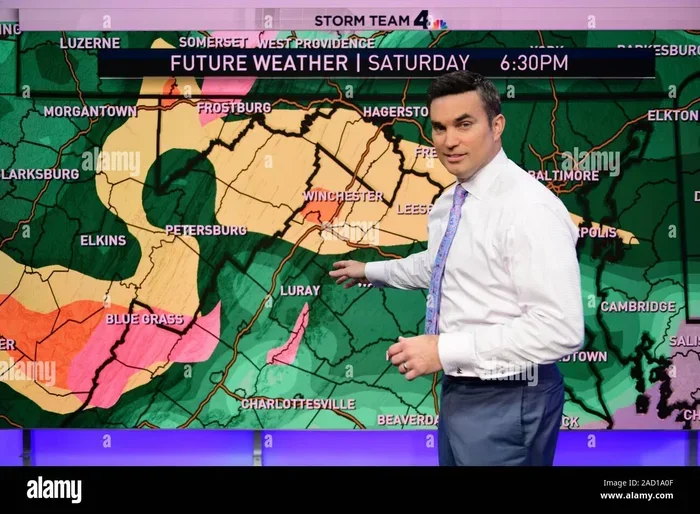
The meteo meaning traces back to the Greek word for “atmospheric conditions,” forming the foundation of modern weather forecasting. Understanding meteo helps you decode weather reports, interpret forecasts, and make smarter daily decisions. This guide breaks down everything from the science behind meteo to how it affects your everyday life.
Have you ever wondered what meteo meaning actually is? You see the word on weather apps, news channels, and websites. But what does it really mean? Simply put, meteo is short for meteorology, the science of studying the atmosphere and weather. Understanding meteo meaning opens the door to making sense of every forecast you read.
Weather shapes our lives more than we realize. It decides whether we carry an umbrella, cancel a picnic, or plan a weekend trip. Behind every weather report lies a world of meteorological data and science. This article will walk you through the meteo meaning step by step. You will learn how weather forecasting works, what key terms mean, and why this knowledge matters for everyone.
By the end, you will feel confident reading any weather report or weather forecast. You will also understand how atmospheric conditions affect your day-to-day life. Let us dive in and explore the fascinating world of meteo together.
Key Takeaways
Meteo meaning: It refers to atmospheric science and the study of weather conditions.
Weather forecasting relies on meteo data: Satellites, sensors, and models all feed into accurate predictions.
Common meteo terms matter: Knowing terms like barometric pressure and precipitation helps you read forecasts better.
Meteo affects daily life: From planning outdoor events to travel decisions, meteo information is everywhere.
The future is bright: AI and advanced weather models are making forecasts more accurate than ever.
You can use meteo tools yourself: Apps and websites put real-time weather data at your fingertips.
The word meteo comes from the Greek word “meteōros,” which means “high in the air.” Over time, scientists shortened it to meteo as a simple prefix for anything related to the atmosphere. So when you see meteo meaning, you are looking at the study of what happens in the sky above us.
The Roots of Meteorology
Meteorology is the scientific study of the atmosphere. It focuses on weather patterns, atmospheric conditions, and how they change over time. Ancient cultures watched the skies for signs of rain, wind, and storms. Today, meteorological science uses powerful tools like weather satellites and computer models to predict what the weather will do next.
The meteo meaning has evolved a lot over the centuries. What started as simple sky-watching has become a high-tech science. Now, meteorologists use advanced weather models and atmospheric data to give us accurate weather predictions every single day.
Why Meteo Matters in Daily Life
You might think meteo meaning is just for scientists. But it affects everyone. Farmers use it to plan planting seasons. Pilots rely on it for safe flights. Even your morning routine depends on it when you check if you need a jacket or an umbrella. The meteo meaning connects directly to how we live, work, and play.
The Science Behind Meteo and Weather Forecasting
Understanding meteo meaning means understanding the science of the atmosphere. The atmosphere is a layer of gases wrapped around the Earth. It holds the weather patterns we experience every day. Meteorology studies how these gases interact with sunlight, water, and wind to create the weather we see.
How Weather Forms
Weather forms when atmospheric conditions change. Several factors play a role:
Temperature: The heat or cold in the air. Warm air rises, and cool air sinks.
Humidity: The amount of water vapor in the air. High humidity often means rain is close.
Barometric Pressure: The weight of the air above us. Low pressure often brings storms.
Wind Speed: How fast air moves. Wind carries moisture and temperature across regions.
Precipitation: Rain, snow, sleet, or hail. It happens when water vapor condenses in the atmosphere.
All of these elements come together to create the weather forecast you see on your phone. The meteo meaning ties all of these pieces into one science. Meteorologists study each factor and combine them to predict what the weather will do.
The Role of Weather Satellites and Sensors
Modern weather forecasting depends heavily on technology. Weather satellites orbit the Earth and capture images of cloud cover, storms, and temperature changes. Ground-based sensors measure humidity, wind speed, and barometric pressure in real time. All of this meteorological data feeds into powerful weather models that simulate future atmospheric conditions.
These models run thousands of calculations every second. They look at past weather patterns and current data to predict what comes next. The result is the weather report you check every morning. The meteo meaning lives inside every one of those predictions.
How Meteo Data Powers Modern Weather Predictions
The meteo meaning is not just a word. It represents a massive system of data collection and analysis. Every day, thousands of weather stations around the world gather meteorological data. This data flows into supercomputers that run weather models and generate forecasts for millions of locations.
From Data to Forecast
Here is how weather prediction works in simple steps:
Data Collection: Sensors, satellites, and weather balloons gather atmospheric data from the ground and the sky.
Data Analysis: Computers process the raw numbers and look for weather patterns.
Model Simulation:Weather models simulate future conditions based on current data.
Forecast Generation: Meteorologists review the model output and create the final weather forecast.
Public Delivery: The forecast reaches you through apps, websites, TV, and radio.
Each step relies on the meteo meaning at its core. Without understanding atmospheric science, none of this would be possible. The meteo meaning connects raw data to the forecast on your screen.
Short-Term vs. Long-Term Forecasting
Short-term forecasts cover the next 1 to 3 days. They are usually very accurate because they rely on fresh meteorological data. Long-term forecasts look 7 to 14 days ahead. These are less precise because atmospheric conditions can change quickly. Still, even long-range weather predictions give us valuable guidance for planning.
Both types of forecasting depend on the same meteo meaning. Whether short-term or long-term, every forecast starts with understanding the atmosphere.
Common Meteo Terms You Should Know
Reading a weather report can feel confusing if you do not know the terms. Here are some common meteo terms that will help you understand any forecast better.
Barometric Pressure
Barometric pressure measures the weight of the air above us. When pressure drops, storms often follow. When pressure rises, clear skies usually come. This is one of the most important pieces of meteorological data in any weather forecast.
Humidity and Dew Point
Humidity tells you how much moisture is in the air. The dew point is the temperature at which water vapor turns into liquid. High dew points mean the air feels sticky and uncomfortable. These atmospheric conditions often signal rain or thunderstorms.
Precipitation Types
Precipitation includes all forms of water that fall from the sky. Rain, snow, sleet, and hail are all types of precipitation. The meteo meaning helps forecasters predict which type will reach the ground based on temperature and atmospheric conditions.
Wind Chill and Heat Index
Wind chill tells you how cold it feels when wind blows. Heat index tells you how hot it feels when humidity is high. Both are examples of how meteo meaning goes beyond just numbers. They describe how the weather actually feels to your body.
Storm Tracking and Weather Alerts
Storm tracking uses weather satellites and radar to follow severe weather systems. Weather alerts warn people about dangers like tornadoes, hurricanes, or flash floods. The meteo meaning plays a critical role in keeping communities safe through these alerts.
How to Read and Interpret Weather Reports
Now that you understand the meteo meaning behind common terms, let us look at how to actually read a weather report. A good forecast gives you more than just a high and low temperature. It tells you about atmospheric conditions, chances of rain, wind, and more.
Reading a Forecast Like a Pro
Here are quick tips for making the most of any weather forecast:
Check the precipitation chance: This tells you the percentage of rain or snow in your area.
Look at the humidity level: High humidity means muggy conditions and possible storms.
Watch the barometric trend: Falling pressure often means bad weather is coming.
Note the wind direction: Wind direction can tell you where weather systems are heading.
Read the hourly breakdown: Hourly forecasts help you plan specific outdoor activities.
When you understand the meteo meaning of each element, the entire weather report becomes much clearer. You stop guessing and start planning with confidence.
Quick Tips for Using Meteo Information Daily
Here are some simple ways to use meteo data every day:
Check the forecast the night before: Plan your outfit and activities ahead of time.
Use reliable sources: Stick to trusted weather apps and official weather services.
Set up weather alerts: Get notified about severe storm tracking updates in your area.
Compare multiple forecasts: Cross-check two or three sources for the most accurate weather prediction.
Learn your local patterns: Every region has unique weather patterns worth understanding.
These small habits will make you more weather-aware. You will feel more prepared and less surprised by sudden changes in atmospheric conditions.
The Future of Meteo and Weather Forecasting
The meteo meaning continues to grow as technology advances. The future of weather forecasting is exciting and full of promise. New tools and methods are making weather predictions faster and more accurate than ever before.
AI and Machine Learning in Meteo
Artificial intelligence is changing the way we study atmospheric conditions. AI can process massive amounts of meteorological data in seconds. It finds patterns that humans might miss. This leads to better weather models and more precise weather forecasts.
Machine learning algorithms improve every time they run. They learn from past weather patterns and apply that knowledge to future weather prediction. The meteo meaning is expanding thanks to these smart technologies.
Climate Change and Its Impact on Forecasting
Climate change is making weather patterns more unpredictable. Extreme heat, heavy rainfall, and powerful storms are becoming more common. Forecasters must adapt their weather models to account for these new realities. The meteo meaning now includes a stronger focus on long-term climate trends alongside short-term weather forecasting.
Understanding meteo meaning helps us prepare for these changes. Better weather reports mean better preparation for severe events. Communities that stay informed through meteorological data are safer and more resilient.
Accessible Meteo Tools for Everyone
Thanks to smartphones and the internet, meteo information is available to everyone. Free weather apps put real-time atmospheric data in your pocket. You can check weather forecasts from anywhere in the world. The meteo meaning is no longer locked in research labs. It is now a tool you can use every single day.
Some popular tools include weather satellites apps, radar maps, and storm tracking platforms. These tools make meteorological data easy to understand. Anyone can become more weather-savvy with a little practice.
Common Mistakes People Make with Weather Forecasts
Even with great weather reports available, people still make mistakes. Here are a few to avoid:
Ignoring the details: A forecast is more than just a high and low temperature. Check humidity, wind speed, and precipitation chances.
Relying on one source: Always compare at least two or three weather services for the best weather prediction.
Forgetting to check hourly updates: Conditions can change fast. An afternoon storm might not show up in a morning forecast.
Overlooking weather alerts: Severe weather warnings can save lives. Never ignore them.
Assuming long-range forecasts are exact:Weather models are helpful but not perfect. Treat 10-day forecasts as general guidance.
Avoiding these mistakes will help you get the most out of every weather report. The meteo meaning is only useful if you use it correctly.
Conclusion
The meteo meaning is far more than a simple word. It represents the science that helps us understand and predict the weather every day. From barometric pressure to precipitation, from weather satellites to storm tracking, the world of meteo is vast and fascinating.
Understanding meteo meaning empowers you to make better decisions. You can plan outdoor events with confidence. You can prepare for severe weather before it arrives. You can read any weather forecast and actually understand what it means.
The future of weather forecasting is bright. AI, better weather models, and more accessible tools are making meteo information more useful than ever. Whether you are a weather enthusiast or just someone who wants to know if you need an umbrella, the meteo meaning has something valuable to offer you.
Take what you have learned here and start using it today. Check your weather report with a new eye. Explore the meteorological data behind the numbers. The sky is not just above you. It is a world of science waiting to be understood.
Frequently Asked Questions
What is the meteo meaning in simple terms?
Meteo is short for meteorology, which is the science of studying the atmosphere and weather. The meteo meaning covers everything from temperature and humidity to wind and storms. In simple words, it is the study of what happens in the sky above us.
How does meteo data help with weather forecasting?
Meteo data comes from satellites, sensors, and weather stations around the world. This meteorological data feeds into weather models that simulate future atmospheric conditions. The result is the weather forecast you see on your phone or TV.
Why is understanding meteo important for everyday life?
Knowing the meteo meaning helps you understand weather reports better. You can plan your day more effectively, stay safe during severe weather, and make smarter choices about outdoor activities. It turns confusing forecasts into useful information.
What are the most important meteo terms to know?
Some key terms include barometric pressure, humidity, precipitation, wind speed, and dew point. Each of these describes a different atmospheric condition that affects the weather forecast. Learning them makes you more weather-savvy.
Can meteo forecasting predict severe storms accurately?
Yes, modern storm tracking and weather satellites have greatly improved severe weather predictions. While no forecast is perfect, weather models and weather alerts give people valuable time to prepare. The meteo meaning behind these tools saves lives every year.
How is AI changing the meteo and weather forecasting field?
Artificial intelligence processes meteorological data faster and finds patterns more efficiently than traditional methods. AI improves weather models and makes weather predictions more accurate. The meteo meaning is evolving rapidly thanks to these smart technologies.
=== CONCLUSION ===
Meteo meaning is the foundation of everything we know about weather. From the Greek roots of the word to the cutting-edge weather models of today, meteo connects science to everyday life. Understanding it helps you read forecasts, stay safe, and plan ahead with confidence.
The world of weather forecasting is always improving. New tools, better data, and smarter technologies are making meteo information more accessible than ever. You do not need to be a scientist to benefit from it. All you need is curiosity and a willingness to learn.
So the next time you open a weather app or watch the evening forecast, remember the meteo meaning behind it. Every number, every symbol, and every alert carries the weight of atmospheric science. Use that knowledge. Share it with others. And stay prepared for whatever the sky has in store.