
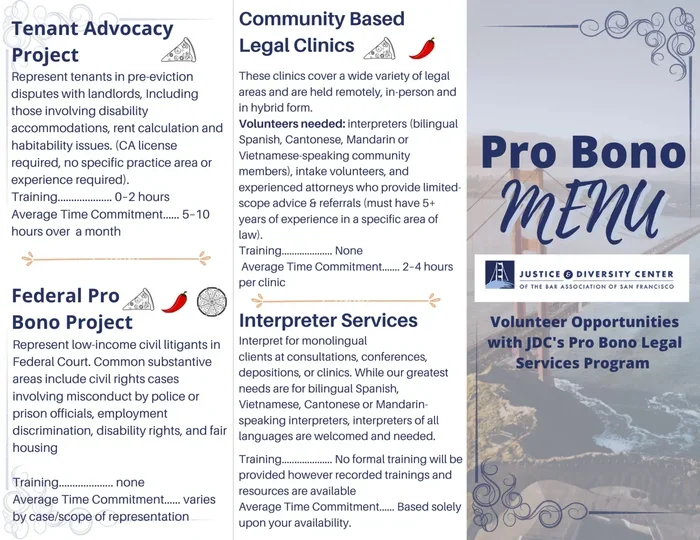
The pro bono meaning refers to professional services offered for free, especially in the legal field. It comes from the Latin phrase “pro bono publico,” which means “for the public good.” Lawyers and professionals volunteer their expertise to help those who cannot afford legal help. This practice plays a vital role in ensuring access to justice for everyone. Understanding pro bono work helps us appreciate the selfless efforts that support communities worldwide.
Have you ever heard the term pro bono and wondered what it really means? You are not alone. Many people see the phrase on news articles or law firm websites but never stop to understand its full meaning and significance.
The pro bono meaning goes far beyond just “free work.” It represents a deep commitment to public service, social justice, and equal access to essential services. In this article, we will explore everything you need to know about what pro bono means, why it matters, and how it impacts communities around the world.
Key Takeaways
- Pro bono meaning: Professional work done voluntarily and without payment to benefit the public.
- Access to justice: Pro bono services help bridge the gap for people who cannot afford legal representation.
- Lawyer obligations: Many bar associations encourage or require attorneys to complete pro bono hours each year.
- Community impact: Free legal work supports nonprofits, vulnerable populations, and social justice causes.
- Career benefits: Lawyers gain valuable experience, skills, and personal fulfillment through pro bono work.
- Growing culture: More law firms and organizations are building strong pro bono programs every year.
- Everyone can help: While lawyers lead the way, professionals in many fields contribute pro bono services.
📑 Table of Contents
- What Is the Pro Bono Meaning?
- Why Does Pro Bono Work Matter?
- Who Can Benefit from Pro Bono Services?
- How Do Pro Bono Programs Work?
- Benefits of Pro Bono Work
- Common Mistakes People Make About Pro Bono Work
- How You Can Get Involved in Pro Bono Work
- The Future of Pro Bono Work
- Key Takeaways
- Conclusion
What Is the Pro Bono Meaning?
The term pro bono comes from the Latin phrase “pro bono publico.” This translates to “for the public good.” In simple terms, it means offering professional services without charging a fee.
Most people associate pro bono with lawyers. However, the concept applies across many professions. Doctors, accountants, architects, and consultants can all offer pro bono services to those in need.
When a lawyer takes on a pro bono case, they do not bill the client. They also do not expect any payment. Instead, they donate their time, knowledge, and skills to help someone who cannot afford legal help.
The pro bono meaning also carries a deeper sense of responsibility. It is about using your expertise to make a difference. It is about giving back to the community and ensuring that justice is not just for those who can pay for it.
Where Does the Term Come From?
The phrase “pro bono publico” has been used for centuries. It originated in Roman times when professionals would offer their services for the benefit of the community.
In the modern legal world, pro bono work became more formalized in the 20th century. Bar associations started encouraging lawyers to dedicate a certain number of hours each year to free legal representation. Today, many countries have formal pro bono programs run by legal aid organizations and nonprofit groups.
Why Does Pro Bono Work Matter?
You might wonder why pro bono legal services are so important. The answer is simple. Many people and organizations cannot afford to hire a lawyer. Without pro bono work, they would have no access to justice.
The legal system can be expensive and complicated. A single court case can cost thousands of dollars. For low-income families, small nonprofits, and marginalized communities, this cost is simply impossible to bear.
Pro bono attorneys fill this gap. They ensure that everyone, regardless of income, can have their voice heard in a court of law.
Bridging the Access to Justice Gap
The access to justice gap is one of the biggest challenges in the legal world. Studies show that millions of people each year face legal problems they cannot solve on their own. They cannot afford a lawyer, and legal aid organizations are often overwhelmed with cases.
Pro bono publico work helps close this gap. When lawyers volunteer their time, they provide free legal aid to people who need it most. This includes helping with:
- Housing disputes and eviction cases
- Domestic violence protection orders
- Immigration and asylum applications
- Employment and workers’ rights issues
- Family law matters like custody and adoption
- Consumer rights and debt disputes
- Civil rights violations
Each of these areas affects real people with real problems. Without pro bono legal representation, many of these individuals would have nowhere to turn.
Supporting Nonprofit Organizations
Nonprofits often operate on very tight budgets. They serve important causes, but they rarely have money to hire full-time lawyers. This is where pro bono work becomes essential.
Lawyers who take on pro bono cases for nonprofits help these organizations survive and thrive. They handle contracts, compliance issues, intellectual property matters, and litigation. Without this support, many nonprofits would struggle to fulfill their missions.
In fact, many legal aid organizations rely heavily on pro bono hours from law firms and individual attorneys. These partnerships create a powerful force for good in communities everywhere.
Who Can Benefit from Pro Bono Services?
The pro bono meaning touches many different groups of people. Let us look at who benefits most from this kind of work.
Individuals and Families
Low-income individuals and families are often the primary beneficiaries of pro bono legal services. They may face eviction, need help with immigration paperwork, or require protection from domestic abuse.
These are not abstract problems. They are real challenges that affect real families every day. Pro bono attorneys provide the help these individuals need when they cannot afford to pay for it.
Small Businesses and Startups
Small business owners often wear many hats. They may not have the budget for a dedicated legal team. Pro bono work helps these entrepreneurs navigate contracts, business formation, and regulatory compliance.
When a startup receives free legal representation, it gets a better chance of succeeding. The pro bono meaning in this context is about supporting economic growth and entrepreneurship in underserved communities.
Nonprofit Organizations and Charities
As mentioned earlier, nonprofits depend on pro bono support to carry out their missions. From environmental groups to human rights organizations, these entities need legal help to protect the causes they serve.
Pro bono publico work allows these organizations to focus their limited resources on their core mission rather than legal costs.
Marginalized and Underserved Communities
Communities that face systemic barriers often have the least access to legal help. Pro bono work targets these communities directly. It ensures that civil rights are protected and that everyone has a fair chance in the legal system.
This is at the heart of the pro bono meaning — fighting for justice for those who need it most.
How Do Pro Bono Programs Work?
Many law firms and legal organizations run formal pro bono programs. These programs match attorneys with clients who need free legal help. Let us look at how they work in practice.
Law Firm Pro Bono Programs
Large law firms often have dedicated pro bono departments. These departments track pro bono hours, organize volunteer opportunities, and partner with legal aid organizations.
Many firms set annual goals for pro bono work. For example, a firm might require each attorney to complete 50 hours of pro bono service per year. Some firms even offer bonuses or recognition for attorneys who exceed these goals.
These programs create a strong pro bono culture within the firm. They encourage attorneys to see public interest law as an important part of their career, not just an optional extra.
Bar Association Pro Bono Initiatives
State and local bar associations also play a big role. They often run pro bono clearinghouses that connect attorneys with people who need help.
These clearinghouses handle intake calls from individuals seeking legal help. They then match the caller with a volunteer attorney who has the right expertise. This system makes pro bono work more efficient and accessible for everyone.
Pro Bono Networks and Organizations
Several national and international organizations focus specifically on pro bono work. Groups like Pro Bono Net, the Legal Services Corporation, and the ABA Commission on Pro Bono and Public Service help coordinate efforts across the country.
These organizations provide resources, training, and support for attorneys who want to do pro bono work. They also advocate for stronger pro bono requirements and policies at the state and federal levels.
Pro Bono Requirements for Lawyers
In some jurisdictions, lawyers are required to complete a certain number of pro bono hours to maintain their license. These pro bono requirements vary by state and country.
For example, some states recommend 50 hours of pro bono work per year. Others have made it mandatory. These requirements help ensure that the legal profession as a whole contributes to access to justice.
Even in places without formal requirements, most bar associations strongly encourage attorneys to participate in pro bono activities. The pro bono meaning includes this spirit of voluntary service and professional responsibility.
Benefits of Pro Bono Work
Pro bono work is not just good for the people who receive it. It also benefits the attorneys and organizations who provide it. Let us explore these benefits in detail.
Professional Development for Attorneys
Attorneys who participate in pro bono work gain valuable experience. They handle cases they might not encounter in their regular practice. This broadens their skills and knowledge.
For young lawyers, pro bono cases offer an excellent opportunity to develop courtroom skills, negotiation abilities, and client management experience. It is a win-win situation.
Personal Fulfillment and Purpose
Many attorneys report that pro bono work is one of the most rewarding parts of their career. Knowing that your efforts directly help someone in need creates a deep sense of purpose.
The pro bono meaning is not just about legal work. It is about making a tangible difference in someone’s life. That sense of fulfillment can boost job satisfaction and overall well-being.
Strengthening the Legal Profession
When law firms and attorneys invest in pro bono work, they strengthen the entire profession. It builds trust with the community and shows that lawyers care about more than just profits.
A strong pro bono culture also attracts top talent. Many law students and young attorneys choose firms based on their commitment to public interest law and community service.
Economic Benefits for Communities
Pro bono legal services create positive ripple effects in communities. When people resolve legal problems, they can focus on work, family, and building stable lives.
For example, a family that avoids wrongful eviction can stay in their home. A small business that gets help with a contract dispute can keep growing. These outcomes benefit the entire community.
Common Mistakes People Make About Pro Bono Work
Even though pro bono work is widely practiced, there are some common misunderstandings. Let us clear them up.
Mistake 1: Thinking Pro Bono Means Low-Quality Work
Some people assume that pro bono cases receive less attention or effort. This is not true. Pro bono attorneys are licensed professionals who follow the same ethical standards as any other lawyer. The quality of pro bono legal representation is just as high as paid work.
Mistake 2: Believing Only Lawyers Can Do Pro Bono Work
While lawyers lead the way, professionals in many fields contribute pro bono services. Accountants help nonprofits with taxes. Marketing professionals offer their skills to charities. The pro bono meaning extends beyond the legal profession.
Mistake 3: Assuming Pro Bono Is Only for Poverty-Level Clients
Pro bono work serves a wide range of people and organizations. It includes nonprofits, small businesses, and community groups. It is not limited to individuals below a certain income level.
Mistake 4: Thinking Pro Bono Hours Are Easy to Track
For law firms, tracking pro bono hours can be challenging. Many firms use specialized software to log and report pro bono activities. Accurate tracking ensures that firms meet their goals and maintain transparency.
How You Can Get Involved in Pro Bono Work
Want to be part of the pro bono movement? There are many ways to get involved, whether you are a lawyer or not.
If You Are a Lawyer
Start by contacting your local bar association. They can connect you with pro bono opportunities in your area. You can also reach out to legal aid organizations directly.
Many firms have internal pro bono coordinators who can help you find the right fit. Look for pro bono programs that align with your interests and expertise.
If You Are Not a Lawyer
You can still contribute to the pro bono meaning in meaningful ways. Consider volunteering your professional skills to a nonprofit. Donate to legal aid organizations. Or simply spread the word about the importance of pro bono work.
Every effort counts. The pro bono movement grows stronger when more people get involved.
The Future of Pro Bono Work
The pro bono meaning continues to evolve. As legal needs change, so do the ways professionals respond. Technology is playing a bigger role in pro bono publico efforts.
Online pro bono platforms now connect attorneys with clients remotely. This expands the reach of free legal representation to rural and underserved areas. Virtual pro bono clinics make it easier for lawyers to volunteer their time.
More law schools are also teaching public interest law and encouraging students to pursue pro bono work early in their careers. This shift is building a stronger foundation for the future of pro bono services.
As awareness grows, more professionals from all fields are joining the pro bono movement. The future looks bright for those who believe in using their skills for the public good.
Key Takeaways
- Pro bono meaning: Professional services offered voluntarily and without payment to benefit the public.
- Access to justice: Pro bono work helps bridge the gap for people who cannot afford legal representation.
- Lawyer obligations: Many bar associations encourage or require attorneys to complete pro bono hours each year.
- Community impact: Free legal representation supports nonprofits, vulnerable populations, and social justice law causes.
- Career benefits: Lawyers gain valuable experience, skills, and personal fulfillment through pro bono work.
- Growing culture: More law firms and organizations are building strong pro bono programs every year.
- Everyone can help: While lawyers lead the way, professionals in many fields contribute pro bono services.
Conclusion
The pro bono meaning is about much more than just working for free. It is a powerful expression of professional responsibility and community care. When attorneys and other professionals offer their skills without charge, they help build a more just and equitable society.
Pro bono work fills critical gaps in the legal system. It supports vulnerable individuals, strengthens nonprofits, and promotes access to justice for all. The impact of this work reaches far beyond the courtroom.
Whether you are a lawyer looking to volunteer your time or a business owner wanting to support legal aid organizations, there is a place for you in the pro bono movement. Every hour counts. Every case makes a difference.
Understanding the pro bono meaning is the first step. Taking action is the next. Consider how you can contribute to this important cause and help create a world where professional expertise serves everyone, not just those who can afford it.
Frequently Asked Questions
What does pro bono mean in simple terms?
Pro bono means offering professional services for free to help people or causes that cannot afford to pay. It comes from the Latin phrase “pro bono publico,” meaning “for the public good.” Lawyers are the most common professionals who do this work, but anyone with professional skills can contribute.
How many pro bono hours do lawyers need to complete?
The requirement varies by jurisdiction. Some states recommend around 50 hours of pro bono work per year, while others make it mandatory. Even where there is no formal requirement, most bar associations strongly encourage attorneys to volunteer their time for pro bono cases and free legal representation.
Can small businesses benefit from pro bono legal services?
Yes, absolutely. Small businesses and startups often need legal help but cannot afford full-time attorneys. Pro bono work helps these businesses with contracts, compliance, and dispute resolution. This support can be the difference between thriving and struggling.
Is pro bono work the same as legal aid?
They are closely related but not the same. Legal aid organizations are nonprofits that provide free legal services to low-income people. Pro bono work refers to the professional services that lawyers and other professionals donate. Often, pro bono attorneys work through legal aid organizations to serve their clients.
How can I find pro bono opportunities in my area?
Start by contacting your local bar association or legal aid organization. Many of them maintain lists of pro bono programs and volunteer opportunities. You can also search for pro bono networks online that connect professionals with community needs in your region.
What types of cases do pro bono lawyers handle?
Pro bono attorneys handle a wide range of cases. These include housing disputes, domestic violence protection, immigration matters, employment issues, family law cases, and civil rights violations. The goal is always to provide access to justice for those who would otherwise go unrepresented.