
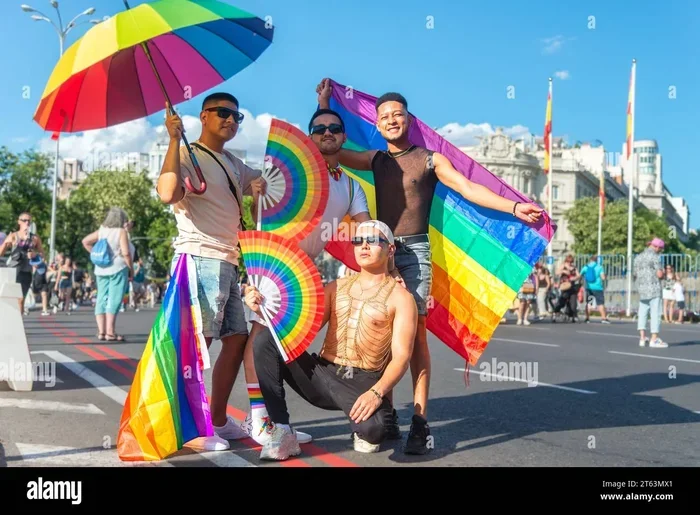
The LGBTQIA meaning covers a broad spectrum of gender identities and sexual orientations that go beyond traditional labels. Each letter in the acronym represents a unique community, from lesbian and gay to intersex and asexual. Understanding what LGBTQIA stands for helps build empathy, respect, and meaningful allyship in everyday life.
Key Takeaways
- LGBTQIA stands for: Lesbian, Gay, Bisexual, Transgender, Queer/Questioning, Intersex, and Asexual/Aromantic/Agnostic.
- Each letter represents a distinct identity: Every term in the acronym has its own history, meaning, and community.
- The “+” symbol matters: It acknowledges identities beyond the seven letters, showing that the community keeps growing.
- Gender identity and sexual orientation are different: One is about who you are, the other is about who you love.
- Inclusivity starts with understanding: Knowing the LGBTQIA meaning helps you be a better ally and create safe spaces.
- Language evolves: The acronym changes as people find better ways to describe their experiences.
- Respect comes from listening: The best way to support the community is to learn, ask, and follow their lead.
📑 Table of Contents
- Understanding the LGBTQIA Meaning and What It Stands For
- Breaking Down Each Letter in the LGBTQIA Meaning
- Why the LGBTQIA Meaning Matters in Everyday Life
- Gender Identity vs. Sexual Orientation
- The Plus Sign: What LGBTQIA+ Really Means
- How to Be a Strong Ally to the LGBTQIA Community
- Common Mistakes People Make When Learning About LGBTQIA
- Quick Tips for Remembering the LGBTQIA Meaning
- Conclusion: Why the LGBTQIA Meaning Is Worth Knowing
Understanding the LGBTQIA Meaning and What It Stands For
You have probably seen the letters LGBTQIA before. Maybe on a flag, a social media post, or in a news article. But what does LGBTQIA actually mean? The LGBTQIA meaning goes far deeper than a simple string of letters. Each one stands for a real community of people with unique experiences, histories, and identities.
In simple terms, LGBTQIA is an acronym that describes a wide range of gender identities and sexual orientations. It is a way to bring visibility to people who do not fit into traditional boxes. The letters stand for Lesbian, Gay, Bisexual, Transgender, Queer or Questioning, Intersex, and Asexual. Together, they form a powerful shorthand for diversity and inclusion.
Why does this matter? Because language shapes how we see the world. When we take the time to learn what each letter means, we open the door to deeper understanding. We become better friends, coworkers, family members, and citizens. This guide breaks down every part of the acronym in plain language. You will walk away with a clear picture of what LGBTQIA stands for and why it matters today.
Let us start at the beginning. The word “LGBTQIA” has evolved over decades. It did not appear overnight. Early activists used shorter terms like “gay” or “homosexual.” As the movement grew, people realized that one word could not capture the full range of human experience. The acronym expanded to include more communities and more identities. Today, you will often see it written as LGBTQIA+ with a plus sign. That little “+” is important. It reminds us that the list of identities continues to grow.
Understanding the LGBTQIA acronym is not just about memorizing letters. It is about honoring real people and their stories. Whether you are exploring your own identity or simply want to be a better ally, this guide has you covered. Let us dive in.
Breaking Down Each Letter in the LGBTQIA Meaning
The acronym LGBTQIA has seven core letters. Each one represents a distinct group within the broader community. Let us look at them one by one. This is the heart of understanding what LGBTQIA stands for.
L — Lesbian
A lesbian is a woman who is emotionally, romantically, or sexually attracted to other women. The word has roots in ancient Greece, named after the poet Sappho who lived on the island of Lesbos. Today, lesbians are a vibrant part of the queer community. They have their own history, culture, and pride movements. The lesbian flag features orange and pink stripes, symbolizing gender nonconformity and love.
It is worth noting that some people use the term “gay” to describe lesbians as well. However, many prefer “lesbian” because it is more specific. Using someone’s preferred term shows respect and care.
G — Gay
The word “gay” is one of the most widely recognized terms in the LGBTQIA meaning. Traditionally, it referred to men who are attracted to men. Over time, many people use “gay” as an umbrella term for anyone who is same-gender attracted. It is a simple, powerful word that carries decades of history.
The gay rights movement has made huge strides over the past century. From the Stonewall uprising in 1969 to marriage equality victories, the community has fought hard for acceptance. The rainbow pride flag is perhaps the most recognized symbol of gay pride and LGBTQIA visibility worldwide.
B — Bisexual
Bisexual people are attracted to more than one gender. This does not mean they are attracted to “everyone.” Bisexuality exists on a gender spectrum, and each person’s experience is unique. Some bisexual people prefer certain terms like “pansexual,” which means attraction regardless of gender.
Bisexual erasure is a real problem. This happens when people ignore or dismiss bisexuality, claiming it is “just a phase” or not real. Understanding bisexuality is a key part of grasping the full LGBTQIA meaning. Everyone deserves to have their identity respected.
T — Transgender
Transgender describes people whose gender identity does not match the sex they were assigned at birth. For example, someone born with male body parts might identify as a woman. That is what it means to be transgender. The word “trans” is often used as a shorter version.
Transgender people may or may not choose to undergo medical transitions. Some take hormones, some have surgeries, and some do none of these. What matters most is how a person identifies. Using someone’s correct pronouns — like she/her, he/him, or they/them — is a basic sign of respect.
Q — Queer and Questioning
The letter Q has two meanings, and both are important. “Queer” is a broad term that many people use to describe any non-heterosexual or non-cisgender identity. It was once a hurtful word, but the community has reclaimed it with pride. Today, “queer” is a celebration of difference and a rejection of rigid labels.
“Questioning” refers to people who are still exploring their identity. They may not be sure where they fall on the sexual orientation or gender identity spectrum yet. That is perfectly okay. The journey of self-discovery is personal, and there is no rush.
I — Intersex
Intersex people are born with physical or biological traits that do not fit typical definitions of male or female. This can include variations in chromosomes, hormones, or anatomy. Intersex is not the same as being transgender. It is about natural biological diversity, not identity.
Intersex individuals often face unnecessary medical procedures as infants. Many advocates now speak out against these practices, arguing that intersex children should be allowed to grow up and make their own choices. Recognizing intersex identities is a vital part of the full LGBTQIA meaning.
A — Asexual, Aromantic, and Agender
The letter A covers more than one identity. “Asexual” describes people who experience little or no sexual attraction to others. This does not mean they cannot form deep emotional bonds. Many asexual people have fulfilling relationships and rich emotional lives.
“Aromantic” refers to people who experience little or no romantic attraction. And “agender” describes people who do not identify with any gender at all. Each of these identities adds depth to the LGBTQIA acronym. They remind us that human experience is beautifully complex.
Why the LGBTQIA Meaning Matters in Everyday Life
You might wonder why learning about the LGBTQIA meaning is important if you are not part of the community. The answer is simple: understanding builds connection. We all want to feel seen, respected, and valued. When we take the time to learn about different identities, we create a world that feels safer for everyone.
In the workplace, inclusive language matters. Using the right terms shows your colleagues that you see them as whole people. In schools, teaching kids about diverse identities helps reduce bullying and builds empathy. In friendships, knowing the LGBTQIA meaning helps you avoid accidental hurt and build deeper bonds.
LGBTQIA inclusivity is not about political correctness. It is about basic human respect. Every person deserves to be called by the name and pronouns that feel right to them. Every person deserves to live without fear of discrimination. Learning the meaning behind the letters is a small step with a big impact.
The Power of Visibility
Visibility changes lives. When people see themselves reflected in media, politics, and everyday conversations, they feel less alone. The LGBTQIA community has made huge gains in representation over the past few decades. More TV shows, movies, and books now feature LGBTQIA characters and storylines.
But visibility is not just about media. It is about the people in your life. It is about the coworker who comes out to you. It is about the teenager who finally feels safe enough to say, “This is who I am.” Your understanding of the LGBTQIA meaning can make that moment possible.
Gender Identity vs. Sexual Orientation
One of the most common confusions about the LGBTQIA definition is mixing up gender identity and sexual orientation. These are two different things, and understanding the difference is key.
Gender identity is about who you are inside. It is your internal sense of being male, female, both, neither, or somewhere else on the gender spectrum. Sexual orientation is about who you are attracted to. It describes the pattern of your romantic or sexual feelings.
Here is a simple way to think about it. Gender identity answers the question, “Who am I?” Sexual orientation answers the question, “Who do I love?” A transgender woman who is attracted to women is both transgender and a lesbian. A cisgender gay man is a man whose gender identity matches his sex assigned at birth, and who is attracted to other men.
These two aspects of identity can overlap in many ways. That is what makes the LGBTQIA acronym so useful. It brings together people with different experiences under one umbrella of respect and recognition.
What Does Cisgender Mean?
Cisgender is a term you will often hear in conversations about the LGBTQIA meaning. It describes someone whose gender identity matches the sex they were assigned at birth. For example, a person born with female body parts who identifies as a woman is cisgender. It is not a negative word. It is simply a way to describe a common experience.
Using the term “cisgender” helps balance the conversation. It shows that being transgender is not “abnormal” — it is just different from the majority experience. Both cisgender and transgender identities are valid.
The Plus Sign: What LGBTQIA+ Really Means
You have probably noticed the “+” at the end of LGBTQIA in many places. So what does that little symbol mean? It stands for everything else. The LGBTQIA+ community includes people who identify as two-spirit, nonbinary, genderqueer, bigender, and many more.
Two-spirit is a term used by some Indigenous North American people to describe individuals who fulfill a third-gender role in their communities. Nonbinary people do not identify strictly as male or female. Genderqueer is another umbrella term for identities that fall outside the traditional binary.
The plus sign is a reminder that the community is not static. It is always growing, always evolving. New words and identities emerge as people find better ways to describe their experiences. The LGBTQIA meaning is not a fixed list. It is a living, breathing reflection of human diversity.
Common Terms You Should Know
Here are a few more terms that often come up in discussions about the queer community and LGBTQIA identities:
- Pronouns: Words like she, he, and they that we use to refer to people. Using someone’s correct pronouns is a basic act of respect.
- Ally: A person who supports the LGBTQIA community, even if they are not part of it. Being an ally means listening, learning, and standing up for others.
- Coming out: The process of sharing your sexual orientation or gender identity with others. This is a deeply personal decision that happens on each person’s own timeline.
- Deadnaming: Referring to a transgender person by the name they used before transitioning. This is considered disrespectful and should always be avoided.
- Safe space: An environment where LGBTQIA people feel welcome, respected, and free from judgment or discrimination.
How to Be a Strong Ally to the LGBTQIA Community
Understanding the LGBTQIA meaning is only the first step. The next step is putting that knowledge into action. Being a good ally means more than just knowing the right words. It means showing up, speaking up, and standing with the community every day.
Listen More Than You Speak
The best thing you can do as an ally is listen. Let LGBTQIA people tell you their stories. Do not interrupt. Do not center yourself. Do not question whether their identity is “real.” Simply listen and learn. When someone trusts you enough to share their identity, honor that trust.
Educate Yourself
Do not make LGBTQIA people do the emotional labor of teaching you. Read books, watch documentaries, follow LGBTQIA creators on social media, and seek out reputable sources. There are countless resources available that explain the LGBTQIA acronym and the history behind it in detail.
Speak Up Against Discrimination
If you hear someone using a slur, making jokes, or spreading misinformation, say something. Silence can feel like agreement. You do not have to be aggressive or confrontational. A calm, firm response like “That language is hurtful” goes a long way. LGBTQIA allyship means using your privilege to protect others.
Support LGBTQIA Businesses and Organizations
Put your money where your values are. Support businesses owned by LGBTQIA people. Donate to organizations that fight for LGBTQIA rights and provide services to community members. Even small actions — like following and sharing LGBTQIA creators — make a difference.
Respect People’s Privacy
Not everyone is ready to come out. Do not out someone without their explicit permission. Do not ask intrusive questions about someone’s body, relationships, or transition. Let people share what they feel comfortable sharing, on their own terms.
Common Mistakes People Make When Learning About LGBTQIA
Nobody expects you to know everything from the start. Learning about the LGBTQIA definition is a journey. But there are a few common mistakes that are easy to avoid. Being aware of them helps you navigate conversations with confidence and care.
Assuming Everyone Is Cisgender and Straight
This is probably the most common mistake. It happens when we assume that everyone’s gender matches their sex assigned at birth and that everyone is attracted to a different gender. This assumption, often called “heteronormativity,” can make LGBTQIA people feel invisible or erased. Instead, use inclusive language. Say “partner” instead of assuming someone has a boyfriend or girlfriend.
Confusing Sex and Gender
Sex refers to biological characteristics like chromosomes and anatomy. Gender refers to a person’s internal sense of self. These are not the same thing, and conflating them leads to confusion about the LGBTQIA meaning. Remember that gender is a spectrum, not a binary.
Using Outdated or Offensive Terms
Language changes over time. Words that were once common may now be considered hurtful. For example, “transgendered” (with an -ed) is not the correct usage. “Transgender” is an adjective, not a verb. If you are unsure about a term, it is okay to ask respectfully or look it up.
Making It About Yourself
When someone comes out to you, your first reaction should not be about how it makes you feel. Avoid saying things like “This is so confusing” or “I never would have guessed.” Instead, respond with warmth and acceptance. A simple “Thank you for trusting me with this” means the world.
Quick Tips for Remembering the LGBTQIA Meaning
Trying to memorize the full acronym? Here are some easy tips to help you remember the LGBTQIA meaning without feeling overwhelmed:
- Break it into chunks. Learn the letters in groups: LGBT, then Q, then IA. Small pieces are easier to remember than a long string.
- Focus on the meaning, not just the letters. Each letter stands for a real person with real experiences. Connecting the letters to human stories makes them stick.
- Use the plus sign as a reminder. The “+” tells you the list is not complete. This takes the pressure off memorizing every possible identity.
- Practice using the terms in conversation. The more you use the words naturally, the more comfortable they become.
- Keep learning. New terms and concepts will always emerge. Staying curious and open is the best approach.
Conclusion: Why the LGBTQIA Meaning Is Worth Knowing
Learning the LGBTQIA meaning is more than just understanding an acronym. It is about opening your heart and mind to the full diversity of human experience. Every letter in the acronym represents a community that has faced challenges, fought for rights, and celebrated joy in the face of adversity.
When you take the time to understand what LGBTQIA stands for, you do something powerful. You say to every person in those communities: “I see you. I respect you. You belong.” That message matters more than most people realize.
Whether you are part of the LGBTQIA community yourself, supporting someone who is, or simply want to be a more informed and compassionate person, this knowledge is a gift. Use it well. Share it generously. And remember that the most important thing you can do is treat every person with dignity and respect.
The world is becoming more inclusive every day. And you are part of that change, simply by taking the time to learn. Keep exploring, keep listening, and keep growing. The LGBTQIA meaning is not just a set of letters — it is a celebration of who we are.
Frequently Asked Questions
What does LGBTQIA stand for?
LGBTQIA stands for Lesbian, Gay, Bisexual, Transgender, Queer or Questioning, Intersex, and Asexual (or Aromantic and Agender). Each letter represents a distinct identity within the broader community. The plus sign at the end reminds us that there are even more identities beyond these letters.
What is the difference between gender identity and sexual orientation?
Gender identity is about who you are inside — your sense of being male, female, both, or neither. Sexual orientation is about who you are attracted to romantically or sexually. They are two separate parts of a person’s identity, and both are covered under the LGBTQIA meaning.
Is the LGBTQIA acronym ever going to stop changing?
It is unlikely. As society’s understanding of human diversity grows, new terms and identities continue to emerge. The plus sign in LGBTQIA+ already acknowledges that the list extends beyond the main letters. Change is a natural part of language, and it reflects people finding better ways to describe their experiences.
How can I be a better ally to the LGBTQIA community?
Start by listening, learning, and using the correct names and pronouns. Speak up against discrimination when you see it. Support LGBTQIA businesses and organizations. And remember that being an ally means following the community’s lead, not centering yourself in their stories. LGBTQIA allyship is an ongoing practice, not a one-time action.
What does the plus sign in LGBTQIA+ mean?
The plus sign represents all the identities that go beyond the seven core letters. This includes terms like two-spirit, nonbinary, genderqueer, pansexual, and many more. It is a way of saying that the community is inclusive of everyone, no matter how they identify. The plus sign keeps the acronym open and welcoming.
Why is understanding LGBTQIA terms important?
Understanding these terms helps build empathy, reduce discrimination, and create safer spaces for everyone. When you know the LGBTQIA meaning, you can communicate with respect and avoid accidentally hurting someone. It also helps you be a better friend, coworker, family member, and citizen in a diverse world.
=== META TITLE ===
LGBTQIA Meaning Explained: What It Stands For and Why It Matters
=== URL SLUG ===
/understanding-lgbtqia-meaning