
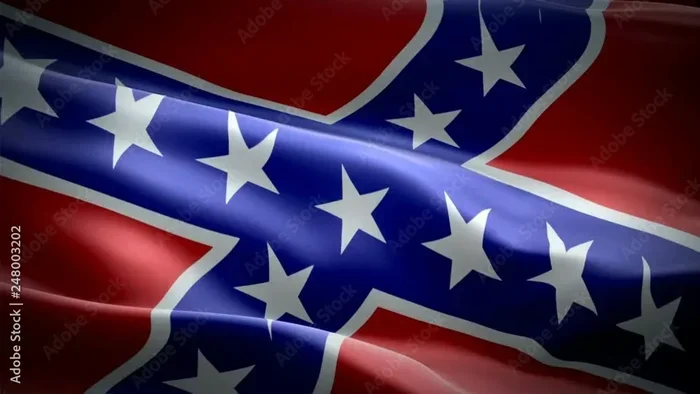
The confederate flag meaning goes far deeper than most people realize. This symbol carries layers of history, identity, pain, and debate that continue to shape American culture. Understanding what the flag represents helps us navigate one of the most sensitive topics in modern American history. Below, we break down the origins, interpretations, and ongoing cultural debate surrounding this iconic banner.
The confederate flag meaning is one of the most discussed and debated topics in modern American culture. This simple piece of cloth carries enormous weight. It sparks conversations in living rooms, classrooms, courtrooms, and on social media every single day. Whether you see it as a symbol of heritage or a reminder of deep racial wounds, understanding its full story matters. In this article, we explore the confederate flag meaning from every angle. We look at where it came from, what different groups believe it represents, and why it still stirs such strong emotions today.
Many people form opinions about the flag without knowing its full history. The truth is complex. The flag has been used in many different ways over nearly two centuries. Some people fly it proudly at family gatherings and historical reenactments. Others see the same flag as a painful reminder of slavery, segregation, and racial injustice. Both sides feel deeply about what this symbol means. Our goal is not to take a side. Our goal is to give you the facts, the context, and the different perspectives so you can form your own informed opinion.
Key Takeaways
- Multiple Meanings: The confederate flag meaning varies widely depending on who you ask and the context in which it appears.
- Rich Historical Roots: The flag emerged during the Civil War and carries deep ties to the Confederate States of America and their fight to preserve slavery.
- Heritage vs Hate: Many people view the flag as a symbol of Southern heritage, while others see it as a painful reminder of racial oppression and white supremacy.
- Ongoing Controversy: The flag remains at the center of heated debates about race, history, and public display in the United States.
- Global Perspective: People around the world have strong opinions about the flag, and its meaning extends far beyond American borders.
- Education Matters: Learning the full historical context helps foster more informed conversations about the flag and its place in society.
📑 Table of Contents
- The Confederate Flag Meaning Explained
- The Historical Origins of the Confederate Flag
- The Confederate Flag Meaning in Different Contexts
- Why the Confederate Flag Remains So Controversial
- The Heritage vs. Hate Debate
- How the Confederate Flag Is Viewed Around the World
- The Social Justice Perspective on Confederate Symbols
- Conclusion
The Confederate Flag Meaning Explained
At its core, the confederate flag meaning is tied to the Confederate States of America. This group of 11 southern states broke away from the United States during the Civil War, which lasted from 1861 to 1865. They formed their own government because they disagreed with the policies of the United States government. The main issue was slavery. The southern states wanted to keep slavery, while the northern states pushed for its end.
The flag most people recognize today is not the original national flag of the Confederacy. It is the Confederate battle flag. This flag was designed to be used by Confederate soldiers on the battlefield. It features a blue X with white stars on a red background. Many people also call it the Dixie flag or the rebel flag. These nicknames show how deeply the symbol is woven into Southern culture.
But the confederate flag meaning has shifted over time. In the years after the Civil War, the flag was mostly used in memorial settings. It honored soldiers who died during the war. Then, during the Civil Rights Movement in the 1950s and 1960s, the flag took on a very different role. Some white Americans began flying the flag to protest desegregation and equal rights for Black Americans. This changed the flag’s public image forever. Today, the confederate flag meaning is split between those who see it as cultural pride and those who see it as a symbol of racism.
The Different Flags of the Confederacy
Many people do not realize there was more than one flag used by the Confederacy. The first official flag was called the “Stars and Bars.” It looked very similar to the American flag, which caused confusion on battlefields. The second flag was the “Stainless Banner,” which was mostly white. The third official flag added a red stripe to avoid it being mistaken for a surrender flag. However, the Confederate battle flag became the most famous and most recognized design. When people talk about the confederate flag meaning today, they are almost always referring to this battle flag design.
The Historical Origins of the Confederate Flag
To truly understand the confederate flag meaning, you need to look at the historical context. The American Civil War was the deadliest conflict in the nation’s history. More than 600,000 soldiers died. The war was fought over many issues, but slavery was the central cause. The southern states relied heavily on enslaved African Americans to work on plantations and farms. They feared that the new federal government would abolish slavery entirely.
The Confederate States of America formed in February 1861 in Montgomery, Alabama. Their constitution explicitly protected the institution of slavery. The leaders of the Confederacy made no secret of why they were fighting. Alexander Stephens, the vice president of the Confederacy, stated that the new government was founded on the belief that African Americans were inferior to white people and that slavery was their natural condition.
The Confederate battle flag itself was first flown in 1861 during the Battle of First Bull Run. General P.G.T. Beauregard wanted a distinct flag that could be recognized on the battlefield. The design was created by William Porcher Miles and later refined by other designers. The flag became a rallying symbol for Confederate soldiers. It represented their fight, their sacrifice, and their cause. After the war ended in 1865, the flag was largely put away. But it did not stay hidden for long.
How the Flag Was Used After the Civil War
In the decades following the Civil War, the confederate flag meaning was tied to memorialization. Veterans’ groups used the flag at funerals and memorial services. It honored the soldiers who had fought and died. The flag appeared in textbooks and movies that told the story of the war. During this period, the Lost Cause narrative became popular. This was the idea that the Confederate cause was noble and heroic, even if it ultimately lost the war. The Lost Cause narrative downplayed the role of slavery and focused instead on states’ rights and Southern valor.
This historical revisionism had a lasting impact. It shaped how many Americans understood the Civil War and the flag. For generations, the flag was taught as a symbol of bravery and sacrifice. It was not widely seen as a symbol of racial oppression until the Civil Rights Movement brought those issues to the forefront of public attention.
The Confederate Flag Meaning in Different Contexts
The confederate flag meaning changes depending on where you see it and who is displaying it. Context matters enormously. The same flag can send completely different messages in different settings. Below is a comparison of how the flag is interpreted across various contexts.
| Context | Interpretation | Common Viewers |
|---|---|---|
| Family Gatherings | Southern heritage and family pride | White Southern families with Civil War ancestry |
| Civil Rights Era Protests | Resistance to racial integration | Segregationists and Dixiecrats |
| Historical Museums | Educational artifact of the Civil War | Historians, students, and tourists |
| Political Rallies | Symbol of resistance or hate | Varies widely by event and organizer |
| Popular Culture | Rebellion, rural identity, or nostalgia | Music fans, filmmakers, and artists |
| International Media | Symbol of racism and American division | Global audiences unfamiliar with U.S. history |
In Southern Culture and State Flags
For many Americans in the South, the flag is tied to family history and regional identity. People whose ancestors fought in the Civil War may view the flag as a way to honor their relatives. They see it as part of their Southern heritage. The flag appears in art, music, literature, and everyday life across the South. Some state flags have incorporated Confederate symbols or designs over the years. Mississippi, for example, included the Confederate battle cross in its state flag until 2021, when voters chose a new design.
In this context, the confederate flag meaning is about connection to the past. It represents family ties, regional pride, and a sense of belonging. People who display the flag in this way often do not see it as a political statement. They see it as a cultural tradition passed down through generations.
In Political and Protest Movements
The flag has also been used in political movements, and this is where much of the controversy comes from. During the Civil Rights Movement, segregationists flew the Confederate flag to oppose integration and equal rights. Governors like George Wallace of Alabama used the flag as a symbol of resistance to federal civil rights laws. This association with opposition to racial equality has never left the flag’s public image.
In more recent years, the flag has appeared at rallies tied to white supremacist groups. The 2017 Unite the Right rally in Charlottesville, Virginia, featured the flag prominently. This event shocked the nation and renewed the debate about the flag’s meaning. After Charlottesville, many institutions and businesses stopped displaying the flag. The flag controversy intensified once again.
In Popular Culture and Media
The Confederate flag has appeared in countless movies, television shows, songs, and books. In some cases, it is used to set a historical scene accurately. In other cases, it is used to evoke a sense of rebellion or Southern identity. Country music, for instance, has a complicated relationship with the flag. Some artists have embraced it as a symbol of rural American life, while others have rejected it due to its racial connotations.
Popular culture shapes how people understand the confederate flag meaning. When the flag appears in a movie or song, it sends a message to millions of viewers and listeners. These messages can reinforce one interpretation or challenge another. This is why the cultural debate around the flag is so ongoing and so powerful.
Why the Confederate Flag Remains So Controversial
The debate over the confederate flag meaning is not going away anytime soon. It remains one of the most polarizing symbols in the United States. Understanding why it is so controversial requires looking at both sides of the argument.
The Argument for Heritage
Those who defend the flag often emphasize Southern heritage and family history. They argue that the Civil War was a complex event with many causes, and reducing it to a single issue oversimplifies the story. They point to the fact that many Confederate soldiers were not slave owners. They were poor farmers and laborers who fought for their homes and communities. In their view, the flag honors these ordinary people and their sacrifices.
Heritage groups also organize events like Civil War reenactments where the flag is displayed respectfully. They argue that these events educate the public and preserve an important part of American history. They see the flag as a tool for teaching future generations about the past. Some also argue that removing the flag erases history, and that understanding the past, even the painful parts, is essential for building a better future.
The Argument Against the Flag
Those who oppose the flag point to its deep connection with slavery and racial oppression. They argue that the Confederacy was formed specifically to preserve the institution of slavery. The Confederate battle flag, in their view, represents a government built on the enslavement of Black people. For many African Americans, the flag is not a symbol of heritage. It is a symbol of terror, violence, and systemic racism.
The flag has also been adopted by hate groups, including the Ku Klux Klan and neo-Nazi organizations. This association makes it nearly impossible to separate the flag from its racist connotations for many people. The racial symbol has been used to intimidate, threaten, and harm Black communities for decades. This is why calls to remove the flag from public spaces continue to gain momentum.
The Role of White Supremacy in the Debate
The connection between the confederate flag meaning and white supremacy is a major reason the debate remains so heated. White supremacist groups have historically embraced the flag as a symbol of their ideology. This association is not accidental. The Confederacy fought to maintain a society built on racial hierarchy. The flag represents that system to many people, and it cannot easily be separated from that history.
However, some flag defenders argue that the flag has been co-opted by hate groups and that its original meaning was different. This argument does not satisfy many people, especially those who have been directly harmed by the flag’s use as a tool of intimidation. The heritage vs hate debate continues to divide communities across the country.
The Heritage vs. Hate Debate
The heritage vs hate debate is at the heart of the confederate flag meaning discussion. This is not a simple either-or question. The flag carries both heritage and pain, and different people experience it in very different ways. Understanding this tension is essential for having productive conversations about the flag.
What Heritage Supporters Say
Heritage supporters emphasize the importance of remembering history. They argue that the Civil War was a complex event with many causes, and reducing it to a single issue oversimplifies the story. They point to the fact that many Confederate soldiers were not slave owners. They were poor farmers and laborers who fought for their homes and communities. In their view, the flag honors these ordinary people and their sacrifices.
Heritage groups also organize events like Civil War reenactments where the flag is displayed respectfully. They argue that these events educate the public and preserve an important part of American history. They see the flag as a tool for teaching future generations about the past.
What Critics Say
Critics of the flag argue that focusing on heritage ignores the central role of slavery in the Confederacy. They point out that the Confederate constitution explicitly protected slavery. They note that Confederate leaders openly stated that the war was fought to preserve the institution of human bondage. In this view, celebrating the flag means celebrating a government built on the dehumanization of millions of people.
Critics also emphasize the ongoing impact of Confederate symbolism on Black communities. The flag has been used to enforce segregation and terrorize Black citizens for generations. For many African Americans, seeing the flag triggers painful memories of discrimination, violence, and systemic inequality. The cultural debate is not just about history. It is about how symbols affect people’s lives today.
Finding Common Ground
Some communities have found ways to navigate the heritage vs hate debate constructively. Museums and educational institutions display the flag in historical contexts with explanations of its full significance. This approach allows people to learn about the flag without feeling that its display endorses racism or slavery. Open and respectful dialogue between different perspectives is essential for progress.
Expert historians suggest that understanding the full complexity of the Civil War era is the best path forward. The confederate flag meaning cannot be reduced to a single narrative. It is a symbol with many layers, and each layer tells part of the story. By listening to all perspectives, communities can work toward a more honest and inclusive understanding of history.
How the Confederate Flag Is Viewed Around the World
The confederate flag meaning is not just an American conversation. People around the world have strong opinions about the flag. In many countries, the flag is viewed primarily through the lens of racial injustice. International observers often see it as a symbol of America’s ongoing struggle with racism and inequality.
In Europe, where many countries have grappled with symbols of oppressive regimes, the Confederate battle flag draws comparisons to other divisive historical emblems. Some European commentators view the flag as part of a broader pattern of nations struggling to reconcile painful histories with present-day values. The global perspective adds another layer to the flag controversy and shows that this issue resonates far beyond American borders.
Social media has amplified international awareness of the debate. Videos and images of Confederate flag displays spread quickly online, reaching audiences worldwide. This global visibility means that the confederate flag meaning is increasingly shaped by international perspectives as well as domestic ones. As the world becomes more connected, conversations about this symbol will continue to involve voices from every continent.
The Social Justice Perspective on Confederate Symbols
The social justice movement has brought renewed attention to Confederate symbols, including the flag. Activists argue that displaying the flag in public spaces sends a harmful message to communities of color. They point to studies and surveys showing that the flag is associated with feelings of intimidation and exclusion among Black Americans.
Many cities and states have removed Confederate monuments and flags from public property in recent years. These decisions have sparked both support and backlash. Supporters of removal argue that public spaces should reflect values of inclusion and equality. Opponents argue that removal erases history and disrespects heritage. The cultural debate continues to evolve as new generations bring fresh perspectives to the conversation.
Quick Tips for Navigating the Conversation
- Listen before you speak. Understanding someone’s perspective is more important than winning an argument.
- Learn the full history. The confederate flag meaning is complex, and oversimplifying it does a disservice to everyone involved.
- Respect different experiences. What the flag means to one person may be very different from what it means to another.
- Stay open to changing your view. New information and perspectives can shift how you understand the flag and its history.
- Focus on education over argument. Sharing facts and historical context is more productive than debating opinions.
Common Mistakes People Make When Discussing the Confederate Flag
- Assuming there is one correct meaning. The confederate flag meaning is genuinely contested, and pretending otherwise shuts down productive conversation.
- Ignoring the historical context of slavery. Any honest discussion of the flag must acknowledge that the Confederacy was founded to preserve slavery.
- Dismissing heritage concerns entirely. Many people have genuine family connections to the Civil War era, and their feelings deserve respect even when you disagree with their interpretation.
- Using the flag as a political weapon. Deploying the flag to provoke or insult others undermines any chance of meaningful dialogue.
- Overgeneralizing entire groups. Not all Southerners feel the same way about the flag, and not all opponents of the flag share the same motivations.
Expert Insights
Dr. Karen Cox, a historian and author of “Dixie’s Daughters,” explains that the confederate flag meaning has always been shaped by the people who use it. She notes that the flag’s significance has changed dramatically over time, from a wartime banner to a symbol of resistance during the Civil Rights era, and now to a flashpoint in ongoing debates about race and memory. Dr. Cox emphasizes that understanding the flag requires looking at the full sweep of its history, not just the parts that support one viewpoint or another.
Dr. David Blight, a Yale University historian, adds that the Lost Cause narrative has had an outsized influence on how Americans understand the Confederacy. He argues that confronting this myth head-on is essential for having honest conversations about the flag. According to Dr. Blight, the real history of the Civil War and the Confederacy is far more complex than any single symbol can capture. His work reminds us that the confederate flag meaning is not fixed. It evolves with each generation and each new chapter of American history.
Conclusion
The confederate flag meaning is a topic that demands careful thought, honest conversation, and a willingness to listen to different perspectives. This symbol carries the weight of American history in a way that few other images can match. It represents a time of profound division, immense sacrifice, and deep moral failure. At the same time, it represents a living cultural tradition that millions of Americans feel connected to on a personal level.
Understanding the full confederate flag meaning means grappling with both the history of slavery and the ongoing debate about heritage and identity. It means listening to those who feel pain when they see the flag, and also listening to those who feel pride. Neither perspective is simple, and both deserve to be heard.
As our society continues to evolve, the conversation around the Confederate flag will continue to change as well. The most important thing we can do is approach this topic with empathy, education, and a genuine desire to understand one another. By doing so, we honor the complexity of our shared history and work toward a more just and inclusive future. The confederate flag meaning will keep shifting, but the need for honest, respectful dialogue will remain constant.
Frequently Asked Questions
What is the original confederate flag meaning?
The original confederate flag meaning was tied to the Confederate States of America, a group of 11 southern states that broke away from the United States during the Civil War. The Confederacy formed primarily to preserve the institution of slavery and protect states’ rights related to that institution. The first official Confederate flag, called the “Stars and Bars,” was adopted in 1861 and represented this new government and its cause.
Why is the Confederate flag considered offensive by some people?
Many people find the Confederate flag offensive because it is closely associated with slavery, racial oppression, and white supremacy. The Confederacy was founded on the belief that African Americans were inferior and should remain enslaved. In the decades after the Civil War, the flag was also used by segregationists to resist civil rights and equal treatment for Black Americans. For many African Americans and others, the flag represents a legacy of hatred and discrimination rather than heritage or pride.
Can the Confederate flag mean something positive for some people?
Yes, some people view the Confederate flag as a symbol of Southern heritage, family history, and regional pride. They may have ancestors who fought in the Civil War and see the flag as a way to honor their memory. In this context, the flag represents cultural identity and a connection to the past. However, it is important to recognize that this interpretation is not shared by everyone, and the flag carries painful associations for many other Americans.
Has the Confederate flag been removed from any state flags?
Yes, several states have removed Confederate symbols from their official flags and seals. The most notable example is Mississippi, which voted in 2021 to adopt a new state flag that no longer included the Confederate battle cross. Other states and institutions have also removed Confederate monuments and flags from public spaces in recent years, reflecting shifting attitudes about the confederate flag meaning and its place in modern society.
What is the difference between the Confederate flag and the Confederate battle flag?
The Confederate battle flag is the most recognizable design, featuring a blue X with white stars on a red background. It was specifically designed for use by Confederate soldiers in battle. The original national flags of the Confederacy looked quite different. The Stars and Bars resembled the American flag, while later designs were mostly white with red stripes. When people discuss the confederate flag meaning today, they are almost always referring to the battle flag design, which became the most widely recognized symbol of the Confederacy.
How has the confederate flag meaning changed over time?
The confederate flag meaning has shifted dramatically over the past 160 years. After the Civil War, it was primarily a memorial symbol honoring fallen soldiers. During the Civil Rights Movement, it became a symbol of resistance to racial integration and equal rights. In recent decades, it has become a flashpoint in debates about race, history, and public display. Today, the flag’s meaning is deeply contested, with some viewing it as cultural heritage and others seeing it as a symbol of racism and oppression. The ongoing evolution of its meaning reflects broader changes in American society’s understanding of race and history.