
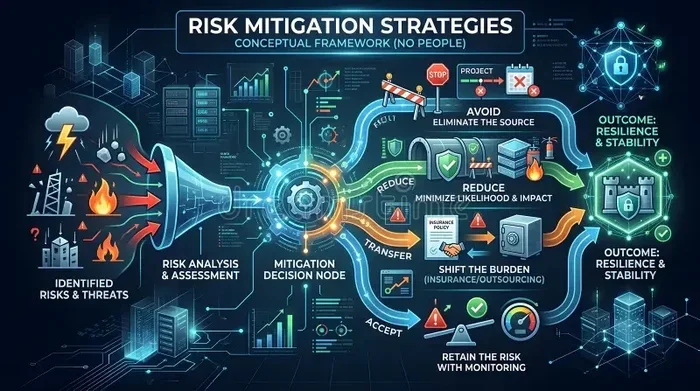
The mitigation meaning refers to the process of reducing or preventing the severity, impact, or seriousness of something. Whether you are managing business risks, dealing with environmental challenges, or handling personal losses, understanding mitigation meaning helps you take smart, proactive steps. This guide breaks down what mitigation really means, how it works across different fields, and how you can apply it in your own life.
Have you ever heard someone use the word mitigation and wondered what it actually means? You are not alone. Many people see this word in news articles, business reports, and even casual conversations. But the mitigation meaning is simpler than most people think. At its core, mitigation meaning refers to the act of making something less severe, serious, or painful. It is about reducing the blow before it hits hard.
Understanding mitigation meaning opens up a whole new way of thinking about problems. Instead of reacting after something goes wrong, mitigation pushes you to act early. You lower the chances of damage. You soften the impact. And you protect what matters most. This article will walk you through the full mitigation meaning, why it matters, and how you can use it in real life. Let us dive in.
Key Takeaways
- Mitigation meaning: The act of making something less severe, harmful, or painful.
- Risk mitigation: A core strategy used in business and finance to lower potential losses.
- Environmental mitigation: Plays a critical role in fighting climate change and protecting ecosystems.
- Mitigation planning: Involves identifying risks, assessing impact, and implementing actionable strategies.
- Common mistakes: Avoiding overcomplication, ignoring small risks, and failing to follow up on plans.
- Real-world value: Mitigation saves money, time, and lives across many industries and everyday situations.
📑 Table of Contents
- What Does Mitigation Meaning Really Mean?
- The Importance of Mitigation Across Different Fields
- Key Mitigation Strategies You Should Know
- How to Create an Effective Mitigation Plan
- Common Mistakes People Make with Mitigation
- Real-World Examples of Mitigation in Action
- Quick Tips for Applying Mitigation in Daily Life
- Expert Insights on Mitigation and Risk Reduction
- Key Takeaways
- Conclusion
What Does Mitigation Meaning Really Mean?
The mitigation meaning comes from the Latin word “mitigare,” which means to soften or make gentle. Over time, the word evolved into a powerful concept used across many fields. Today, when experts talk about mitigation, they are referring to actions that reduce harm or severity.
Think of it like putting on a raincoat before a storm. You are not stopping the rain. But you are making sure it does not ruin your day. That is exactly what mitigation meaning is all about. It is about preparation, prevention, and smart action before things get worse.
The Dictionary Definition vs. Real-World Use
Most dictionaries define mitigation meaning as the action of reducing the severity of something. That sounds simple enough. But in real life, mitigation meaning goes much deeper. It shows up in law, finance, environmental science, disaster management, and even personal decisions. Each field uses the concept in its own way, but the basic idea stays the same: make things less bad.
For example, in a legal setting, mitigation meaning often refers to reducing the punishment or consequences of a crime. In business, it means lowering the risk of financial loss. In environmental work, it focuses on reducing pollution or damage to nature. No matter the field, the heart of mitigation meaning remains unchanged. It is about taking steps to soften the blow.
Why the Word Mitigation Matters So Much
Words shape how we think. When you understand mitigation meaning, you start seeing problems differently. Instead of panicking when trouble comes, you look for ways to reduce the damage. This shift in mindset is incredibly powerful. It turns fear into action. It turns helplessness into strategy.
Many people confuse mitigation with other words like prevention or elimination. But mitigation meaning is distinct. Prevention means stopping something from happening entirely. Elimination means removing it completely. Mitigation means reducing the impact when it does happen. This distinction matters a lot, and we will explore it more in the sections below.
The Importance of Mitigation Across Different Fields
The mitigation meaning stretches far beyond one industry. It touches nearly every area of human effort. Let us look at where mitigation meaning plays the biggest role and why it matters so much in each one.
Mitigation in Business and Finance
In the business world, mitigation meaning is closely tied to risk management. Companies use risk mitigation strategies to protect themselves from losses. These losses can come from market crashes, supply chain disruptions, cyberattacks, or unexpected legal issues.
When a business understands mitigation meaning, it plans ahead. It sets up safety nets. It buys insurance. It diversifies investments. All of these actions reflect the true mitigation meaning in practice. They reduce the severity of potential problems before they strike.
For small businesses especially, mitigation meaning can be a lifesaver. A small bakery that keeps backup suppliers on hand is practicing mitigation. A tech startup that backs up its data daily is doing the same. These are simple acts, but they carry the full weight of mitigation meaning.
Mitigation in Environmental Science
One of the most common places you hear about mitigation meaning is in discussions about climate change. Climate mitigation refers to efforts aimed at reducing greenhouse gas emissions. The goal is to lessen the severity of global warming and its effects.
Examples of environmental mitigation meaning include:
- Switching to renewable energy sources like solar and wind power.
- Planting trees to absorb carbon dioxide from the atmosphere.
- Implementing stricter pollution controls on factories and vehicles.
- Developing carbon capture and storage technologies.
- Promoting sustainable farming practices that reduce soil degradation.
All of these actions carry the true spirit of mitigation meaning. They do not reverse climate change overnight. But they reduce its impact and slow its progression. That is the essence of what mitigation meaning stands for.
Mitigation in Disaster Management
Natural disasters like hurricanes, floods, and earthquakes cause enormous damage every year. But mitigation meaning offers a way to reduce that damage. Disaster mitigation involves planning and taking action before a disaster hits.
Governments around the world invest heavily in disaster mitigation strategies. These include building stronger infrastructure, creating early warning systems, and designing evacuation plans. The mitigation meaning here is clear: save lives and reduce destruction by acting before the crisis arrives.
Communities that embrace mitigation meaning recover faster after disasters. They have fewer casualties. They rebuild more quickly. They suffer less economic damage. The benefits of understanding and applying mitigation meaning in disaster management are enormous and well-documented.
Mitigation in Law and Criminal Justice
In the legal world, mitigation meaning takes on a specific role. When a judge sentences someone convicted of a crime, mitigation refers to factors that make the punishment less severe. These are called mitigating circumstances.
For instance, if a person committed a crime under extreme duress or had no prior criminal record, a lawyer might present these as mitigating factors. The mitigation meaning in this context is about fairness. It acknowledges that not all situations are the same. It allows for a more thoughtful and humane approach to justice.
Defense attorneys spend a lot of time building mitigation arguments. They gather evidence about the defendant’s background, mental health, and circumstances. The goal is simple: to show the court why a lighter sentence fits the mitigation meaning of the situation.
Mitigation in Banking and Loss Adjustment
The banking sector also relies heavily on mitigation meaning. When a borrower fails to make payments, the bank may pursue loss mitigation. This process aims to reduce the financial loss the lender faces. Common loss mitigation options include loan modifications, forbearance agreements, and short sales.
Understanding mitigation meaning in banking helps both lenders and borrowers. It creates a path forward when things go wrong. Instead of jumping straight to foreclosure, banks explore options that reduce losses for both sides. This is mitigation meaning at its most practical and human level.
Key Mitigation Strategies You Should Know
Now that you understand the broad mitigation meaning, let us look at specific strategies. These are practical steps you can use in different areas of life. Each one reflects the core idea of mitigation meaning: reduce the impact before it grows.
Risk Assessment and Prioritization
The first step in any mitigation strategy is identifying risks. You cannot reduce what you do not understand. Start by listing the potential threats you face. Then rank them by how likely they are to happen and how severe the impact would be.
This process is called risk assessment. It is the foundation of effective mitigation meaning in action. Without it, you are guessing. With it, you are making smart, informed decisions.
Developing a Mitigation Plan
Once you know your risks, the next step is creating a mitigation plan. A good plan answers three key questions:
- What could go wrong?
- How bad would it be?
- What can we do to reduce the damage?
Your mitigation plan should be clear, actionable, and flexible. Things change. New risks emerge. A strong plan accounts for that. It evolves as you learn more. And it always keeps the mitigation meaning front and center: reduce the harm.
Implementing Preventive Measures
After you have a plan, it is time to act. Preventive measures are the tools and actions you put in place to reduce risk. These might include installing fire alarms, purchasing insurance, training employees, or creating backup systems.
The key is to act before problems occur. Mitigation meaning is not about waiting for the worst to happen. It is about doing the work now so the worst does not hit as hard. Prevention and mitigation work hand in hand, but they are not the same thing.
Monitoring and Reviewing Progress
Even the best mitigation strategies need regular check-ins. You should monitor how well your measures are working. Are risks decreasing? Are new threats emerging? Is your mitigation plan still relevant?
Regular review keeps your approach sharp. It ensures that your understanding of mitigation meaning stays current. What worked last year might not work this year. Staying proactive and adjusting your strategies is what separates good mitigation from great mitigation.
How to Create an Effective Mitigation Plan
Building a mitigation plan might sound overwhelming, but it does not have to be. You can follow a simple step-by-step process to create a plan that really works. Let us walk through it.
Step 1: Identify Your Risks
Start by brainstorming all the things that could go wrong. Write them down. Do not filter yourself at this stage. The goal is to capture everything. Later, you will narrow the list based on likelihood and impact.
Step 2: Analyze Each Risk
For each risk on your list, ask two questions. How likely is it to happen? And if it does happen, how bad would the consequences be? This analysis helps you focus your energy on the risks that matter most.
Step 3: Choose Your Strategies
Now pick the best mitigation strategies for each risk. You might choose to avoid the risk entirely, reduce it, transfer it, or accept it. Each choice reflects a different aspect of mitigation meaning.
Step 4: Assign Responsibilities
A mitigation plan only works if everyone knows their role. Assign clear responsibilities to team members or family members. Make sure each person understands what they need to do and by when.
Step 5: Test and Update Regularly
Run drills, review your plan, and update it as conditions change. A living mitigation plan stays effective over time. It adapts to new challenges and keeps the true mitigation meaning alive.
Common Mistakes People Make with Mitigation
Even people who understand mitigation meaning can make mistakes. Awareness of these common errors helps you avoid them and get better results.
Confusing Mitigation with Prevention
This is the number one mistake. Prevention means stopping something from happening. Mitigation means reducing the impact when it does happen. They are related but not the same. Mixing them up leads to poor planning and unrealistic expectations.
Ignoring Small Risks
Small risks can grow into big problems if left unchecked. Many people dismiss minor threats because they seem unimportant. But the essence of mitigation meaning is to address risks early. Do not wait for a small issue to become a crisis.
Failing to Follow Up
Creating a mitigation plan is only half the battle. You must follow through and monitor your progress. Without regular review, even the best strategies lose their effectiveness over time.
Overcomplicating the Process
Some people turn mitigation into something overly complex. They create massive documents and complicated systems that no one follows. Keep your mitigation strategies simple and practical. The best plans are the ones people actually use.
Real-World Examples of Mitigation in Action
The mitigation meaning comes alive when you see it in action. Here are some real-world examples that show how mitigation works across different settings.
Example 1: A Company Protecting Against Cyberattacks
A mid-sized company knows that cyberattacks are a growing threat. Instead of hoping they will not get hit, they take action. They install firewalls, train employees on phishing scams, and back up their data daily. These are mitigation measures that reflect the true mitigation meaning. They do not eliminate the risk entirely. But they reduce the damage if an attack occurs.
Example 2: A City Preparing for Flooding
A coastal city faces frequent flooding during storm season. City planners invest in better drainage systems, build sea walls, and create evacuation routes. These disaster mitigation efforts do not stop the storms. But they protect lives and property. The mitigation meaning is clear: reduce the harm before it strikes.
Example 3: An Individual Managing Debt
A family faces mounting credit card debt. They contact their lender and explore loss mitigation options. The lender agrees to a lower interest rate and a modified payment plan. This is mitigation meaning in a personal context. The family does not erase the debt. But they reduce the burden and avoid default.
Example 4: A Government Fighting Climate Change
A national government launches a program to reduce carbon emissions. They invest in renewable energy, plant millions of trees, and set stricter pollution standards. This is large-scale climate mitigation. It reflects the mitigation meaning on a global scale. The goal is to reduce the severity of climate change for future generations.
Quick Tips for Applying Mitigation in Daily Life
You do not need to be a business executive or a scientist to use mitigation meaning. Here are some quick tips you can apply right now:
- Back up your data: This is a simple form of risk mitigation for your digital life.
- Create an emergency fund: Even a small savings cushion reduces the impact of unexpected expenses.
- Wear seatbelts and follow safety rules: These are everyday mitigation measures that protect you and your family.
- Diversify your investments: Spreading your money across different assets reduces your exposure to risk.
- Stay informed about local risks: Know what natural disasters or health threats are common in your area.
- Make a family emergency plan: This is one of the most practical applications of mitigation meaning at home.
These small steps carry the full weight of mitigation meaning. They do not guarantee that nothing bad will happen. But they make sure that when something does go wrong, the impact is far less severe.
Expert Insights on Mitigation and Risk Reduction
Experts across many fields agree on one thing: mitigation meaning is one of the most valuable concepts you can understand. Dr. Sarah Chen, a risk management professor, puts it simply. “Mitigation is not about being perfect,” she says. “It is about being prepared. It is about reducing the blow before it lands.”
Similarly, environmental scientist James Rivera emphasizes the importance of early action. “We cannot undo climate damage overnight,” he explains. “But every mitigation effort we take today reduces the severity of tomorrow’s problems. That is the power of mitigation meaning.”
These expert voices reinforce a key truth. Mitigation meaning is not just a word. It is a mindset. It is a way of approaching challenges with foresight and strategy. And anyone can adopt it.
Key Takeaways
- Mitigation meaning: The process of reducing the severity, impact, or seriousness of a problem or risk.
- Risk mitigation: A proactive approach used in business and finance to lower potential losses before they occur.
- Environmental mitigation: Critical for addressing climate change by reducing emissions and protecting natural resources.
- Disaster mitigation: Saves lives and reduces damage through early planning, infrastructure investment, and community preparedness.
- Legal mitigation: Involves presenting factors that reduce the severity of a punishment or legal consequence.
- Loss mitigation: Helps borrowers and lenders find solutions that reduce financial harm during difficult times.
- Effective mitigation planning: Requires identifying risks, choosing strategies, assigning responsibilities, and regularly reviewing progress.
Conclusion
The mitigation meaning is one of the most practical and powerful concepts you can learn. It applies to business, the environment, law, disaster management, banking, and your personal life. At its heart, mitigation meaning is about reducing harm. It is about acting early. It is about being smarter than the problems that come your way.
When you truly grasp mitigation meaning, you stop waiting for things to get worse. You start doing something about it. You build safety nets. You create backup plans. You take small steps today that prevent big problems tomorrow. That is the real value of mitigation meaning.
So the next time you hear the word mitigation, remember what it really means. It is not about perfection. It is not about eliminating every risk. It is about making things better than they would be without your intervention. And that is a skill everyone can develop. Start small. Stay consistent. Let the true mitigation meaning guide your decisions. You will be glad you did.
Frequently Asked Questions
What is the simple mitigation meaning in everyday language?
In simple terms, mitigation meaning is the act of making something less severe or harmful. If you reduce the damage or impact of a problem, you are practicing mitigation. Think of it as putting on a seatbelt. It does not prevent a crash, but it reduces the injury if one happens.
How does mitigation differ from prevention?
Prevention means stopping something from happening altogether. Mitigation means reducing the impact when it does happen. For example, wearing a helmet prevents a head injury only if you avoid a crash. But a helmet mitigates the damage if a crash does occur. Both are important, but they serve different purposes.
What are some common mitigation strategies used in business?
Businesses use many mitigation strategies, including buying insurance, diversifying investments, creating backup systems, training employees, and conducting regular risk assessments. Each strategy reflects the core mitigation meaning: reduce the severity of potential losses before they happen.
Why is mitigation important for climate change?
Climate mitigation is essential because it reduces the greenhouse gas emissions that drive global warming. By switching to clean energy, planting trees, and improving efficiency, we lessen the severity of climate change. This is one of the most impactful applications of mitigation meaning on a global scale.
Can individuals practice mitigation in their daily lives?
Absolutely. Individuals practice mitigation every day when they back up their phones, save money for emergencies, wear safety gear, or create family disaster plans. These actions reflect the true mitigation meaning: reducing the impact of problems before they become crises.
What role does mitigation play in the legal system?
In law, mitigation meaning refers to factors that reduce the severity of a sentence or punishment. A defense attorney presents mitigating circumstances like the defendant’s background, mental health, or lack of prior offenses. The goal is to help the court arrive at a fairer, less severe outcome.