
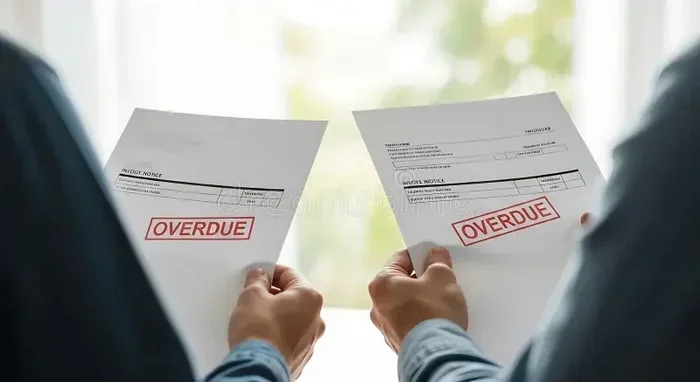
Arrears meaning refers to payments that are overdue or unpaid past their due date. When you’re in arrears, it means you owe money for a period you were supposed to pay. Understanding what arrears stand for helps you manage debt, protect your credit, and avoid serious financial consequences.
Have you ever received a letter that says your account is in arrears? Did it make your stomach drop? You’re not alone. Many people face this situation every single day. But what does arrears meaning really stand for? And why should you care so much about it?
In simple terms, arrears means you haven’t paid something by the due date. It’s that straightforward. But the consequences can be anything but simple. From hurting your credit score to triggering legal action, falling behind on payments is a serious issue. This guide breaks down everything you need to know about arrears definition, the different types of arrears, and how to get back on track.
Whether you’re dealing with rent arrears, mortgage arrears, or overdue utility bills, this article has you covered. We’ll walk through practical steps, common mistakes, and expert tips. Let’s dive in and make sense of this confusing financial topic together.
Key Takeaways
- Arrears meaning: Payments that are overdue or unpaid past their scheduled due date.
- Types of arrears: Arrears can apply to rent, mortgages, utilities, loans, and other recurring bills.
- Credit impact: Being in arrears can seriously damage your credit score and financial reputation.
- Legal consequences: Prolonged arrears may lead to debt collection, legal action, or asset seizure.
- Prevention is key: Setting up reminders and budgets can help you avoid falling into arrears.
- Clearance options: Debt management plans and communication with creditors can help you resolve arrears.
📑 Table of Contents
What Does Arrears Meaning Stand For?
The Basic Arrears Definition
So, what is arrears meaning in plain English? Arrears is a term used when a payment is past due. It means you owe money for a period when the payment should have been made. For example, if your rent is due on the first of the month and you haven’t paid by the fifth, you are in arrears.
The word comes from the Old French word “arrer,” which means to rest or stop. Over time, it evolved into a financial term. Today, it’s used across many industries — banking, real estate, utilities, and more. When someone says your account is in arrears, they mean you have an unpaid balance that was due on a specific date.
It’s important to note that arrears is not the same as being “in debt.” Debt is the total amount you owe. Arrears specifically refers to missed or overdue payments. You can be in debt without being in arrears if you’re making regular payments on time.
Arrears vs. Delinquency: What’s the Difference?
People often confuse arrears with delinquency. While they’re related, they’re not the same thing. Delinquency is a broader term. It refers to any failure to meet the terms of a loan agreement. Arrears is more specific — it focuses on the timing of missed payments.
Think of it this way. If you miss a car loan payment, your loan is delinquent. If that missed payment stays unpaid for 30 days or more, it’s also in arrears. The terms overlap, but arrears always involves a past-due payment, while delinquency can include other types of violations too.
Different Types of Arrears You Should Know About
Rent Arrears
Rent arrears is one of the most common types of overdue payments. It happens when a tenant fails to pay rent by the agreed-upon date. Landlords take this very seriously. In many places, they can start eviction proceedings if rent arrears go unpaid for a certain period.
Here’s how it works. Let’s say your rent is $1,200 per month, due on the first. If you pay on the tenth, you’re not in arrears — just late. But if you skip the payment entirely, you’re now in arrears for $1,200. If this continues for two or three months, the arrears balance grows, and the situation becomes much more serious.
Mortgage Arrears
Mortgage arrears is a step up in severity. Your mortgage is likely your biggest monthly expense. Falling behind on mortgage payments puts your home at risk. Most lenders have a grace period of 15 days. After that, the payment is considered in arrears.
If mortgage arrears continue for 90 days or more, the lender may start the foreclosure process. This is why mortgage arrears should never be ignored. Even a few missed payments can trigger serious legal and financial consequences. The good news is that many lenders offer hardship programs to help borrowers catch up.
Utility and Service Arrears
Utility companies — electric, water, gas, and internet — also track arrears. If you fall behind on your electricity bill, the company may issue a arrears notice. Continued non-payment can lead to service disconnection.
Utility arrears often come with late fees and penalties. Some providers also charge a deposit requirement before restoring service. This makes it even harder to get back on track. It’s a cycle that can be tough to break, especially for households on tight budgets.
Loan and Credit Card Arrears
Personal loans and credit cards can also go into arrears. When you miss a credit card payment, the account becomes delinquent. After 30 days, it’s typically reported to credit bureaus as in arrears. This has a direct impact on your credit score impact.
Loan arrears can also result in collections. The lender may sell your debt to a collection agency. This adds fees and makes the total amount owed much larger. It’s a snowball effect that can quickly spiral out of control if not addressed early.
How Arrears Affect Your Finances
The Credit Score Connection
One of the biggest reasons to avoid arrears is the damage to your credit score. Payment history is the most important factor in your credit score. When an account goes in arrears, it gets reported to credit bureaus. This negative mark can stay on your report for up to seven years.
A lower credit score makes it harder to get approved for loans, credit cards, and even rentals. Some employers also check credit reports during hiring. Falling into arrears can have ripple effects far beyond just your wallet. It can affect your entire financial future.
Late Payment Penalties and Fees
Most creditors charge late payment penalties when a payment is overdue. These fees add up quickly. A $25 late fee on a credit card might not sound like much. But if you’re in arrears for multiple months, those fees stack up fast.
Some lenders also charge default interest. This is a higher interest rate that kicks in when an account goes into arrears. It makes the total amount owed grow even faster. What starts as a small missed payment can turn into a large, unmanageable balance.
Legal and Collection Consequences
When arrears go unresolved, creditors may take legal action. They can file a lawsuit to recover the money. If they win, they can garnish your wages or place a lien on your property.
Debt collectors are also a real possibility. They will contact you by phone, email, and mail. Some collectors use aggressive tactics, which can be stressful and overwhelming. Understanding arrears management early on can help you avoid reaching this point.
Impact on Future Borrowing
Being in arrears doesn’t just affect your current accounts. It also makes future borrowing more expensive. Lenders see a history of missed payments as a red flag. They may charge higher interest rates or deny your application altogether.
This is why arrears recovery is so important. The sooner you clear overdue payments, the sooner you can rebuild your financial standing. Every month you stay in arrears, the damage grows. Taking action early is always the smartest move.
Common Reasons People Fall Into Arrears
Loss of Income
Job loss or reduced income is one of the top reasons people fall into arrears. When your paycheck shrinks or disappears, bills become hard to cover. Rent, utilities, and loan payments all pile up at the same time.
Many people try to prioritize certain payments over others. This is understandable, but it can lead to arrears on the bills you pushed aside. The key is to communicate with creditors as soon as possible if your income changes.
Unexpected Expenses
Medical bills, car repairs, and emergency home fixes can all trigger arrears. These unexpected costs eat into your budget and make it impossible to pay everything on time. Without an emergency fund, even a small surprise expense can push you into financial arrears.
Poor Budgeting Habits
Sometimes arrears happen simply because of poor money management. Spending without tracking, ignoring bills, or living beyond your means all contribute. Over time, these habits catch up with you. The arrears balance grows, and the stress builds.
Confusion About Due Dates
Many people fall into arrears simply because they forget when payments are due. With multiple bills, different due dates, and various accounts, it’s easy to lose track. This is a very common mistake, and it’s completely fixable with the right systems in place.
How to Manage and Clear Arrears
Step One: Review Your Accounts
The first step to clearing arrears is knowing exactly where you stand. Gather all your statements and list every overdue account. Write down the arrears balance for each one. Include the amount owed, the due date, and any late fees.
This gives you a clear picture of your situation. It also helps you prioritize which arrears to tackle first. You can’t fix what you don’t understand, so take the time to review everything carefully.
Step Two: Contact Your Creditors
Many people avoid calling their creditors out of fear or embarrassment. Don’t. Most lenders would rather work with you than deal with unpaid arrears. Call them, explain your situation, and ask about available options.
You might be surprised by what they offer. Many companies have arrears management programs, hardship plans, or temporary payment reductions. The worst they can say is no, and you haven’t lost anything by asking.
Step Three: Create a Repayment Plan
Once you know your arrears and have talked to your creditors, it’s time to make a plan. List all your income and expenses. Find extra money you can put toward clearing overdue payments.
Focus on the most critical arrears first. These are usually rent or mortgage payments. Next, tackle utility bills and loan payments. A structured plan keeps you organized and motivated as you work toward becoming debt-free.
Step Four: Set Up Automatic Payments
One of the best ways to prevent future arrears is to automate your payments. Set up automatic transfers for at least the minimum payment on each account. This ensures you never miss a due date again.
Just make sure you have enough funds in the account before the payment date. A failed automatic payment can still result in arrears and late fees. Double-check your balance regularly to avoid this problem.
How to Prevent Falling Into Arrears
Build an Emergency Fund
An emergency fund is your best defense against arrears. Even a small savings cushion can cover unexpected expenses without derailing your budget. Aim to save at least three to six months of living expenses over time.
Start small if you need to. Even $500 in savings can prevent a single unexpected bill from pushing you into arrears. Every little bit helps, and the habit of saving is just as important as the amount.
Use Reminders and Alerts
Set up calendar alerts or phone reminders for every due date. Most banks and creditors also offer email or text notifications. Use them. Staying on top of due dates is one of the simplest ways to avoid arrears.
Live Within Your Means
This sounds basic, but it’s the foundation of financial health. If you spend less than you earn, you’ll always have money left over for bills. Living beyond your means is the fastest route to financial arrears and mounting debt.
Monitor Your Credit Report Regularly
Check your credit report at least once a year. Look for any accounts marked as in arrears or delinquent. Catching errors early can save you from unnecessary damage to your credit score. You’re entitled to a free credit report from each major bureau every 12 months.
Expert Insights on Arrears Management
What Financial Advisors Say
Financial experts consistently emphasize the importance of early action. The longer arrears go unaddressed, the harder they become to resolve. Advisors recommend reaching out to creditors at the first sign of trouble, not after months of missed payments.
“The biggest mistake people make is avoidance,” says one certified financial planner. “They ignore letters and avoid phone calls. But communication is the key to finding solutions. Most creditors want to help you succeed.”
The Role of Arrears Management Services
Many organizations offer professional arrears management services. These services help you negotiate with creditors, create repayment plans, and navigate the financial system. They can be especially helpful if you’re dealing with multiple overdue accounts.
Some services are nonprofit and offer free or low-cost assistance. Others are for-profit and charge fees. Always research any service before signing up. Look for accredited organizations with transparent pricing and positive reviews.
Key Takeaways
- Arrears meaning is straightforward — it’s overdue or unpaid payments past their due date.
- Being in arrears can damage your credit score, trigger penalties, and lead to legal action.
- There are many types of arrears, including rent, mortgage, utility, and loan arrears.
- The sooner you address arrears, the easier it is to resolve them.
- Prevention through budgeting, reminders, and emergency savings is always better than cure.
- Communication with creditors is one of the most powerful tools you have.
Conclusion
Understanding arrears meaning is the first step toward taking control of your financial health. When you know what arrears means, why it matters, and how it affects your life, you can make smarter decisions. You can avoid the trap of overdue payments and the serious consequences that come with them.
Arrears is not something to be afraid of. It’s a financial situation that can be fixed with the right approach. Whether you’re currently dealing with rent arrears, loan arrears, or any other type of overdue payment, there is always a path forward. The key is to act early, communicate openly, and stay consistent with your repayment plan.
Take what you’ve learned from this guide and apply it today. Review your accounts, reach out to creditors, and set up systems to prevent future arrears. Your financial future is worth the effort. Every step you take now brings you closer to a cleaner, healthier financial life.
Remember, being in arrears doesn’t define you. It’s a temporary situation, and with the right strategy, you can overcome it. Start small, stay focused, and keep moving forward. You’ve got this.
Frequently Asked Questions
What does it mean when an account is in arrears?
When an account is in arrears, it means a payment was due and hasn’t been made by the due date. The overdue amount is considered in arrears until it’s paid. This applies to rent, loans, utilities, and any other recurring payment. Being in arrears can trigger late fees and negative credit reporting.
How does being in arrears affect your credit score?
Arrears have a direct negative impact on your credit score. Missed payments are reported to credit bureaus, which lowers your score. The longer arrears remain unpaid, the more damage they cause. A single account in arrears can reduce your score significantly, making future borrowing harder and more expensive.
Can you negotiate arrears with your creditors?
Yes, you absolutely can. Many creditors offer hardship programs, payment plans, or temporary reductions for borrowers who communicate early. Contact your creditor as soon as you realize you’ll miss a payment. The earlier you reach out, the more options you’ll have to resolve arrears without serious consequences.
What is the difference between arrears and default?
Arrears refers to overdue payments that are past due but not yet in serious breach of the agreement. Default is a more severe status. It means you’ve failed to meet the terms of the loan agreement for an extended period. Arrears can lead to default if left unresolved, but they are not the same thing.
How long can arrears stay on your credit report?
Negative items related to arrears can remain on your credit report for up to seven years. This includes accounts sent to collections, defaults, and late payment records. The impact on your score lessens over time, especially as you build a positive payment history. Clearing arrears early is the best way to minimize long-term damage.
What are the best ways to prevent falling into arrears?
The best prevention methods include setting up automatic payments, using calendar reminders for due dates, building an emergency fund, and living within your budget. Regularly monitoring your accounts and communicating with creditors at the first sign of trouble also helps. These simple habits keep you from ever having to deal with the stress of arrears.