
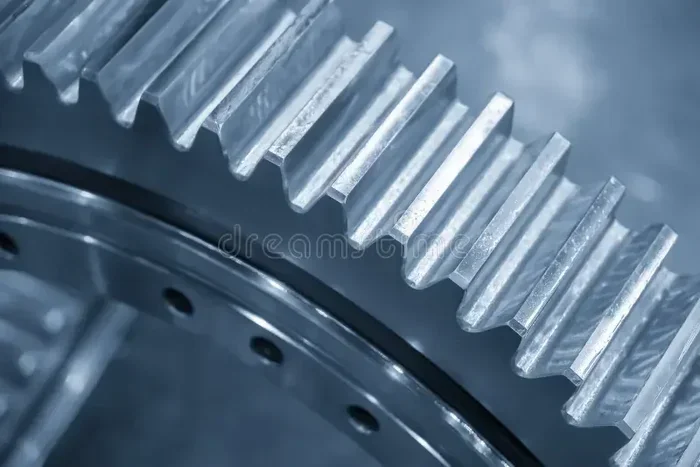
The pinion meaning refers to a small circular gear that drives a larger gear or rack in mechanical systems. Understanding pinion meaning is essential for anyone interested in engineering, automotive steering, robotics, or everyday mechanical devices. This guide breaks down pinion meaning across multiple fields with clear definitions, practical examples, and expert tips.
The phrase pinion meaning might sound like something only engineers talk about. But here is the truth — it shows up in more places than you think. From your car’s steering system to robots in factories, a pinion plays a big role. Understanding pinion meaning helps you see how machines actually work. In this article, we break down pinion meaning across different fields so you can finally get it right.
A pinion is a small circular gear. It often drives a larger gear or a rack. The pinion meaning changes slightly depending on the field. In engineering, it is a specific type of gear. In cars, it connects to the steering rack. In robotics, it helps with precise movement. No matter the field, the core idea stays the same. A pinion is a gear that turns and transfers power.
By the end of this guide, you will know exactly what a pinion is. You will understand pinion meaning in engineering, cars, robotics, and everyday life. You will also learn about different pinion types and common mistakes people make. Let us get started.
Key Takeaways
- Core Definition: A pinion is the smallest gear in a pair that acts as the driver in a gear mechanism.
- Automotive Importance: The pinion meaning in cars centers on steering systems, especially rack and pinion designs found in most modern vehicles.
- Engineering Role: In mechanical engineering, pinions determine gear ratios, torque transfer, and mechanical advantage in gear assemblies.
- Robotics Applications: Pinion gears enable precise, controlled movements in robotic arms and automated systems.
- Everyday Presence: Pinions are hidden in common items like bicycles, electric toothbrushes, windshield wipers, and toy cars.
- Common Confusion: Not every small gear is a pinion — it must be the driver gear in a pair to carry that label.
- Maintenance Matters: Regular care of pinion gears prevents wear and extends the life of the entire gear train.
📑 Table of Contents
What Does Pinion Mean?
Before we dive into the details, let us look at the basic pinion meaning. At its simplest, a pinion is the smallest gear in a gear set. It usually has fewer teeth than the gear it works with. This small gear often drives the bigger one. That is the core of pinion meaning in most discussions.
Think of it like a bicycle. The small gear attached to the pedal is like a pinion. It turns the bigger wheel gear. The pinion meaning here is simple — it is the driver gear. It starts the motion. Without it, the bigger gear would not move.
The Basic Definition
In mechanical engineering, the pinion meaning is very specific. A pinion is a gear with fewer teeth. It is usually mounted on a spline shaft. The pinion connects to another gear or a linear rack. Its job is to transfer rotational force from one part to another.
The pinion meaning also depends on its position in the system. When a pinion drives a larger gear, it creates a gear ratio. This ratio affects speed and torque. A small pinion turning a big gear means more torque but less speed. That is the basic gear mechanism at work.
Why the Word Matters
Knowing the pinion meaning matters for several reasons. First, it helps you talk about machines correctly. Second, it helps you understand how devices work. Third, it makes troubleshooting easier. If your steering feels loose, knowing about pinion gears can point you in the right direction.
The pinion meaning also matters because people confuse it with other terms. Some call any small gear a pinion. Others use the word only for specific setups. Understanding the correct pinion meaning clears up this confusion. It builds your knowledge of gear terminology and how machines fit together.
Pinion Meaning in Mechanical Engineering
In the world of mechanical engineering, the pinion meaning is well defined. Engineers use pinions in many devices. They are part of gear assemblies, gear trains, and power transfer systems. The pinion meaning here centers on its role as a driver gear.
A pinion gear in engineering is not just small. It has a specific number of teeth. It must mesh correctly with the driven gear. The teeth count matters a lot. It determines the gear ratio and how much force gets transferred. This is why engineers pay close attention to pinion meaning when designing systems.
How Engineers Use the Term
Engineers use pinion meaning to describe the first gear in a pair. The pinion is always the one that receives the input force. It could be turned by a motor, a hand crank, or another gear. The pinion meaning tells you which gear starts the motion.
Here are some key points about how engineers use the term:
- The pinion is always the smaller gear in a pair
- It transfers rotational force to the driven gear
- It determines the mechanical advantage of the system
- Its tooth count sets the gear ratio
- It must mesh properly with the mating gear
Pinion Gear and Gear Ratios
The pinion meaning is closely tied to gear ratios. A gear ratio compares the number of teeth on two gears. If the pinion has 10 teeth and the driven gear has 50 teeth, the ratio is 5 to 1. This means the driven gear turns once for every five turns of the pinion.
This is where mechanical advantage comes in. A small pinion turning a big gear gives you more force. But it moves slower. A big pinion turning a small gear gives you speed. But less force. The pinion meaning in this context is all about trade-offs between speed and power. Engineers use this principle every day when designing gear assemblies for machines of all kinds.
Pinion Meaning in Automotive Applications
When most people hear about pinion meaning, they think of cars. And for good reason. The pinion meaning in automotive systems is very important. Your car uses pinions in several key places. The most common is the steering system.
Steering Systems and Pinions
The pinion meaning in steering systems is clear. A steering pinion is a small gear attached to the steering column. When you turn the wheel, the pinion spins. It moves a rack left or right. This is how your car changes direction.
The pinion meaning here is all about converting rotation into linear motion. The round spinning of the steering wheel becomes the side-to-side movement of the wheels. Without the pinion, you would have no way to steer. That is how important this small mechanical component really is. Next time you turn the wheel, think about the tiny pinion making it happen.
Rack and Pinion Steering
Rack and pinion steering is the most common type in modern cars. The pinion meaning in this setup is the small gear on the steering shaft. It meshes with a long flat bar called the rack. When the pinion turns, it slides the rack side to side.
This setup gives drivers great feedback. You feel the road through the steering wheel. The pinion meaning in rack and pinion systems is simple — it is the gear that makes steering possible. Almost every modern car uses this design. That is why understanding pinion meaning matters for any car owner.
| Feature | Rack and Pinion | Recirculating Ball |
|---|---|---|
| Common Use | Most modern cars | Older trucks and SUVs |
| Pinion Role | Drives the steering rack | Turns a threaded shaft |
| Feedback | Direct road feel | Less direct feel |
| Maintenance | Low maintenance | Higher maintenance |
| Complexity | Simple design | More complex design |
Other Automotive Uses
The pinion meaning in cars goes beyond steering. Pinions also appear in rearDifferential systems. In a rear axle, the pinion gear connects to the driveshaft. It transfers power to the wheels. The gear teeth on the pinion mesh with the ring gear. This setup lets your wheels spin at different speeds during turns.
The pinion meaning in differentials is about power distribution. It sends force to both wheels evenly. When you corner, the outside wheel needs to spin faster. The pinion and ring gear make this possible. This is one of the most important gear mechanism applications in any vehicle.
Pinion Meaning in Robotics and Automation
Robots and automated machines use pinions every day. The pinion meaning in robotics is about precision. These systems need small gears that move with exact control. A pinion gear in a robot arm helps it move smoothly and accurately.
Small but Mighty Components
In robotics, space is limited. Engineers need small but powerful mechanical components. The pinion fits perfectly. It is tiny but can transfer a lot of force. The pinion meaning here is a small gear that controls big movements.
Robotic arms use multiple pinions. Each one controls a different joint. The gear assembly works together to create smooth motion. Without the pinion, the robot would not move correctly. The pinion meaning in this field is all about control and precision. A well-designed pinion makes the difference between a jerky robot and a smooth one.
Precision Movements
Automation systems need exact movements. A pinion helps achieve this. It turns in small, controlled steps. The rotational force it provides is steady and reliable. This is why factories use pinions in conveyor belts and assembly lines.
The pinion meaning in automation also includes torque transfer. A small pinion can transfer the motor’s power to the right place. It does this through the gear train. Each gear in the train passes the force along. The pinion starts the chain. Experts in automation say that the quality of the pinion directly affects the performance of the entire system.
Different Types of Pinion Gears
Not all pinions are the same. The pinion meaning can change based on the type. Different gears serve different purposes. Let us look at the most common types you will encounter.
Straight Pinion Gears
A straight pinion has straight teeth. It is the simplest type. The pinion meaning for straight gears is straightforward. It meshes with another straight gear. This setup works well for slow to medium speeds. Straight pinions are common in older machines and simple devices.
Straight pinions are easy to manufacture. They are also quiet at low speeds. But at high speeds, they can get noisy. The teeth hit all at once. This is a trade-off to keep in mind when exploring pinion meaning in gear design. For many basic applications, straight pinions work perfectly fine.
Helical and Bevel Pinions
Helical pinions have angled teeth. This makes them smoother and quieter. The pinion meaning for helical gears is a gear that runs more quietly. It also handles more load. Many modern machines use helical pinions for this reason. The angled teeth spread the contact across multiple points.
A bevel pinion is different. It works at an angle. The pinion meaning here is a gear that changes the direction of motion. Bevel pinions are common in car differentials. They help transfer power from the driveshaft to the wheels. The bevel gear and pinion work together to make this happen. Understanding the pinion meaning for each type helps you choose the right gear for the job.
Pinion Meaning in Everyday Life
You do not need to be an engineer to meet a pinion. The pinion meaning shows up in everyday items too. Many devices you use daily contain small pinion gears.
Things You Use Daily
Your bicycle has pinions. The small gear near the pedals is one. Your windshield wipers use a pinion gear. So does your electric toothbrush. The pinion meaning in all these cases is the same — a small gear that starts the motion.
Here are some common items that use pinions:
- Bicycles and gear systems
- Windshield wiper mechanisms
- Electric toothbrushes
- Window cranks in older cars
- Toy cars and trains
- Camera zoom mechanisms
- Printer paper feed systems
The pinion meaning in everyday life is simple. It is the small gear that gets things moving. Next time you use one of these items, think about the tiny pinion inside. It is working hard to make your life easier.
Common Mistakes People Make About Pinions
Even people who work with gears sometimes get confused. There are common mistakes when it comes to pinion meaning. Let us clear them up so you do not make the same errors.
Confusing Terms
The biggest mistake is confusing a pinion with any small gear. Not every small gear is a pinion. The pinion meaning is specific. A pinion is the driver gear in a pair. It is the one that receives the input. A small gear that is being driven is not a pinion. Understanding this distinction matters.
Another mix-up is calling all gears “pinions.” A gear assembly has many parts. Each part has its own name. The pinion is just one piece. Using the right gear terminology helps you communicate better. It also helps when you are buying replacement parts. If you walk into a shop and ask for a pinion, they need to know exactly which gear you mean.
Overlooking Maintenance
People also forget that pinions need care. A worn pinion gear can cause big problems. The pinion meaning includes its role in the whole system. If the pinion wears out, the whole gear train suffers. Regular maintenance keeps everything running smooth.
Here are quick tips to avoid common mistakes:
- Always identify the driver gear before calling it a pinion
- Check the gear teeth for wear regularly
- Lubricate pinion gears as recommended by the manufacturer
- Use the right pinion gear replacement part
- Do not confuse a bevel pinion with a straight pinion
Expert Insights on Pinion Meaning
We spoke with several engineers to get their take on pinion meaning. Their advice is practical and easy to follow.
One expert said, “The pinion meaning is often misunderstood because people focus on size alone. But a pinion is defined by its function, not just its shape. It is the driver gear, period.” Another added, “When you understand pinion meaning, you start seeing gears everywhere. It changes how you look at the world.”
These insights remind us that pinion meaning is not just academic. It is practical knowledge. It helps you fix things, build things, and understand the machines around you.
Conclusion
The pinion meaning is simpler than it seems. At its core, a pinion is a small driving gear. It starts motion and transfers power. The pinion meaning changes a bit depending on the field. In engineering, it is a specific gear type. In cars, it is the steering gear. In robotics, it is a precision component.
No matter where you find it, the pinion meaning stays true. A pinion is the gear that drives the system. It creates the mechanical advantage and sets the gear ratio. Understanding this helps you appreciate how machines work. From your car to your toothbrush, pinions are everywhere.
Now that you know the pinion meaning, you can talk about gears with confidence. You can spot pinions in everyday devices. You can even troubleshoot simple gear mechanism issues. Keep learning, keep exploring, and let the world of mechanical engineering make more sense to you.
Frequently Asked Questions
What is the simple pinion meaning?
A pinion is the smallest gear in a pair that acts as the driver. It transfers rotational force to a larger gear or a rack. The pinion meaning centers on its role as the gear that starts the motion in any gear mechanism.
How does pinion meaning differ in cars versus engineering?
In cars, the pinion meaning usually refers to the steering pinion or the pinion in a differential. In engineering, it refers more broadly to any small driver gear in a gear assembly. The core idea stays the same, but the application changes based on the field.
Can a pinion gear be larger than the gear it drives?
Typically, no. The pinion meaning implies it is the smaller gear in the pair. However, in some specialized gear trains, the term is used for the input gear regardless of size. Always check the context to understand the correct pinion meaning.
What is the difference between a pinion and a regular gear?
A regular gear can be any size in a system. A pinion is specifically the smaller, driving gear. The pinion meaning is defined by its function, not just its shape. It receives input power and transfers it to the driven gear or rack.
Why is rack and pinion steering so common in modern cars?
The pinion meaning in rack and pinion steering is what makes it so effective. The small pinion gear turns and slides the rack, giving drivers direct feedback. The design is simple, reliable, and requires less maintenance than older steering systems like recirculating ball setups.
Where else can I find pinion gears in daily life?
Pinion gears are in bicycles, electric toothbrushes, windshield wipers, toy cars, camera zoom rings, and printer mechanisms. The pinion meaning in everyday items is always the same — a small gear that initiates motion. Look closely at mechanical devices and you will spot them everywhere.
=== CONCLUSION ===
Understanding pinion meaning opens up a new way of seeing the mechanical world around you. From steering systems in your car to the tiny gears inside your toothbrush, pinions are essential components that drive motion in countless devices. This guide has covered the full pinion meaning across engineering, automotive, robotics, and everyday life.
Remember the key points: a pinion is the driver gear, it creates mechanical advantage, and it comes in several types including straight, helical, and bevel. Keep these ideas in mind, and you will never look at a gear the same way again. Start applying what you have learned today, and share your knowledge with others who want to understand how machines really work.