
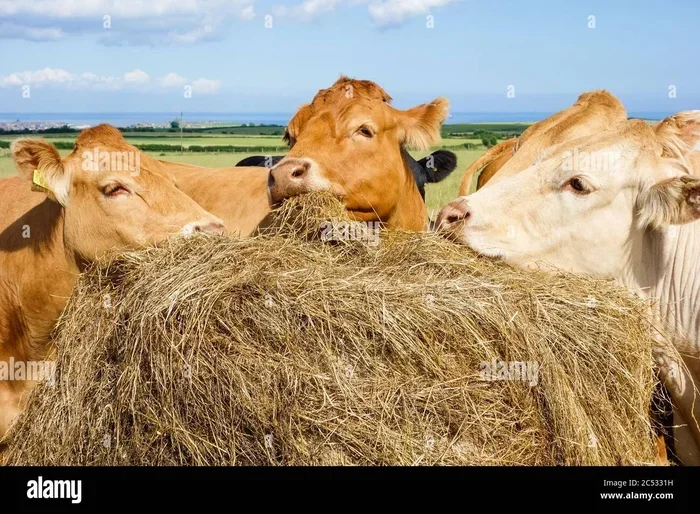
The fodder meaning refers to any food or feed given to livestock and animals, especially farm animals like cattle, goats, and horses. Fodder includes crops, grasses, silage, and processed feeds that provide essential nutrition for animal growth and health. Understanding fodder meaning helps farmers, gardeners, and animal lovers make better feeding decisions. This guide covers everything from basic definitions to real-world applications, tips, and common mistakes. Whether you are a new farmer or simply curious, this article breaks down the fodder meaning in simple, practical terms.
Have you ever wondered what the fodder meaning really is? If you have heard the word fodder tossed around in farming conversations or on nature documentaries, you are not alone. Many people use the term without fully understanding what it means or why it matters so much in agriculture. This article breaks down the fodder meaning in plain, simple language and shows you how it connects to real-world farming, animal care, and food production.
At its core, fodder meaning is straightforward. It refers to any food or feed that is given to domesticated animals, especially livestock. This includes everything from fresh grass and hay to processed grains and specially formulated feeds. Farmers, ranchers, and animal caretakers rely on fodder to keep their animals healthy, productive, and well-nourished. Understanding the fodder meaning opens the door to better animal husbandry, smarter feeding choices, and more sustainable farming practices.
In this guide, we will walk you through the full picture. You will learn about the different types of fodder, how it is produced, why it matters for livestock, and how to choose the best fodder for your animals. We will also explore common mistakes, expert tips, and the exciting future of fodder production. By the end, you will have a clear, confident understanding of the fodder meaning and its role in our world.
Key Takeaways
- Fodder meaning: Any feed or food provided to livestock and domesticated animals for nutrition and growth.
- Multiple types exist: Fodder ranges from fresh grass and hay to processed grains and silage.
- Essential for livestock health: Proper fodder supports animal growth, milk production, and overall well-being.
- Fodder vs. forage: Fodder is often cultivated and harvested, while forage refers to wild or grazed plant material.
- Quality matters: Choosing the right fodder depends on animal type, season, and nutritional needs.
- Innovation is shaping the future: Hydroponic fodder and automation are changing how farmers produce animal feed.
- Common mistakes are avoidable: Overfeeding, poor storage, and ignoring nutritional balance can harm animals.
📑 Table of Contents
- What Is the Fodder Meaning?
- Types of Fodder and How They Are Made
- Why Fodder Matters for Livestock and Agriculture
- Fodder vs. Forage: What Is the Difference?
- How to Choose the Right Fodder for Your Animals
- Common Mistakes in Fodder Management
- Expert Insights on Fodder Production and Innovation
- Key Takeaways
- Conclusion
What Is the Fodder Meaning?
The fodder meaning is simple but important. Fodder refers to any food that is deliberately provided to animals, especially farm animals like cattle, sheep, goats, pigs, and horses. Unlike wild animals that find their own food, domesticated animals depend on humans for their meals. That is where fodder comes in. It is the food that keeps them alive, healthy, and productive.
Fodder can be fresh, dried, or processed. It can come from plants grown specifically for animal feeding or from byproducts of human food production. The fodder meaning covers a wide range of materials, including grasses, grains, legumes, hay, silage, and commercial feed mixes. Each type serves a different purpose and provides different nutrients that animals need to thrive.
Why the Fodder Meaning Matters in Everyday Language
You might wonder why understanding the fodder meaning is useful outside of farming. The truth is, the word fodder appears in many contexts. In everyday conversation, people sometimes use fodder to describe anything that feeds or supports something else. For example, someone might say a news story is great fodder for a debate. However, the original and most important use of the word is in agriculture and animal care.
Knowing the fodder meaning helps you understand conversations about livestock, farming, and food systems. It also helps you make informed decisions if you own animals or are considering farming as a hobby or career. Whether you raise a few chickens in your backyard or manage a large cattle ranch, understanding what fodder is and how it works is essential.
Types of Fodder and How They Are Made
Not all fodder is the same. There are many different types, and each one plays a unique role in livestock nutrition. Let us explore the most common types of fodder and how they are produced.
Fresh Fodder and Pasture Grass
Fresh fodder includes living plants that animals graze on directly. This is the most natural form of fodder meaning. Pasture grass, clover, alfalfa, and other green plants grow in fields and provide animals with fresh, nutrient-rich food. Grazing animals like cows and sheep can roam freely and eat as they go. Fresh fodder is packed with moisture, vitamins, and fiber that support healthy digestion.
Farmers who practice pasture management carefully control which plants grow in their fields. They rotate grazing areas to prevent overgrazing and allow grass to regrow. This approach keeps the fodder quality high and the soil healthy. Fresh pasture is often considered the best natural fodder for cattle and other grazing animals.
Hay: The Dried Fodder Staple
Hay is one of the most widely used forms of fodder around the world. It is made by cutting grass or legumes, drying them in the sun, and storing them for later use. Hay provides livestock feed during winter months or dry seasons when fresh grass is not available. The fodder meaning of hay includes its role as a reliable, shelf-stable source of fiber and energy for animals.
Different types of hay serve different purposes. Timothy hay is popular for horses, while alfalfa hay is rich in protein and calcium, making it ideal for dairy cattle. Farmers choose hay based on the nutritional needs of their animals and the growing conditions in their region. Good hay should be green, sweet-smelling, and free of mold.
Silage: Fermented Fodder for Year-Round Feeding
Silage is another important type of fodder. It is made by cutting green plants, compressing them tightly, and sealing them in a silo or plastic wrap to ferment. This fermentation process preserves the nutrients in the plants for months or even years. Silage is especially popular in dairy farming because it provides high-energy feed for cattle throughout the year.
Making silage requires careful attention. The plants must be cut at the right moisture level and sealed properly to prevent spoilage. When done correctly, silage is an excellent source of animal nutrition and a key part of many feed production systems. Farmers who produce their own silage can save money and maintain better control over feed quality.
Grain-Based and Processed Fodder
Grains like corn, barley, oats, and wheat are often used as supplemental feed for livestock. These grains are rich in carbohydrates and provide animals with the energy they need for growth and milk production. Processed fodder may include pellets, crumbles, or mash that combine grains with vitamins, minerals, and proteins.
Commercial feed companies carefully design these products to meet specific livestock diet requirements. A dairy cow, for example, needs a different balance of nutrients than a beef cattle or a goat. Processed fodder makes it easy for farmers to provide consistent, balanced nutrition without having to mix ingredients themselves. This type of fodder is especially common in intensive farming operations.
Why Fodder Matters for Livestock and Agriculture
The fodder meaning goes beyond just feeding animals. Fodder is the foundation of livestock farming and plays a critical role in the global food supply. Without proper fodder, animals cannot grow, produce milk, or stay healthy. This section explains why fodder is so important.
Supporting Animal Growth and Health
Animals need a balanced diet just like humans do. The fodder meaning encompasses all the foods that provide animals with the nutrients they need. These nutrients include carbohydrates for energy, proteins for muscle growth, fats for cell function, vitamins for immunity, and minerals for strong bones and teeth.
When animals receive high-quality fodder, they grow faster, produce more milk, and resist diseases better. Poor-quality fodder, on the other hand, can lead to stunted growth, low milk production, and health problems. This is why farmers invest so much time and effort into selecting the right fodder crops and maintaining feed quality standards.
Driving the Global Food Supply Chain
Fodder is not just important for animals. It is also essential for human food production. Livestock raised on good fodder produce meat, milk, eggs, and wool that feed billions of people worldwide. The fodder meaning is deeply connected to the global food chain. Without adequate fodder production, the entire livestock industry would struggle.
In many developing countries, feed production is a major economic activity. Farmers grow fodder crops like sorghum, millet, and napier grass to feed their animals. These crops also provide income and employment for rural communities. The fodder meaning thus extends far beyond the farm gate, influencing economies, trade, and food security around the world.
Improving Feed Conversion Efficiency
One important concept in animal farming is feed conversion. This refers to how efficiently animals turn the food they eat into body mass or milk. The fodder meaning is closely tied to feed conversion because better-quality fodder leads to better conversion rates. When animals convert feed efficiently, farmers get more output from the same amount of input.
Improving feed conversion benefits both the farmer and the environment. It reduces waste, lowers costs, and minimizes the land and resources needed to raise animals. Modern animal husbandry practices focus heavily on optimizing fodder quality and feed conversion ratios to achieve sustainable, profitable farming.
Fodder vs. Forage: What Is the Difference?
People often confuse fodder and forage, but they are not exactly the same. Understanding the difference helps clarify the fodder meaning and improves how you talk about animal feeding.
Defining Forage
Forage refers to any plant material that animals eat, whether it is grazed directly from a field or harvested. Forage can be wild or cultivated. When a cow walks through a meadow and eats grass, that is foraging. The term forage emphasizes the act of searching for and consuming plant material in its natural or semi-natural state.
How Fodder Differs from Forage
The key difference lies in intent and management. Fodder is food that is deliberately grown, harvested, and provided to animals by humans. It is part of a planned livestock nutrition program. Forage, on the other hand, can be any plant material an animal finds and eats, including wild plants, browse, and pasture that is not actively managed.
In practice, the line between fodder and forage can blur. Many farmers use the terms interchangeably. However, for clarity, think of forage as the broader category and fodder as the subset that humans intentionally provide. This distinction matters when discussing animal feed strategies, feed composition, and livestock diet planning.
| Aspect | Fodder | Forage |
|---|---|---|
| Definition | Food deliberately provided to animals | Any plant material animals consume |
| Source | Grown, harvested, and managed by humans | Can be wild, grazed, or cultivated |
| Management | Part of planned animal feeding program | May be unmanaged or semi-managed |
| Examples | Hay, silage, grain mixes, pellets | Wild grass, browse, pasture, crop residues |
| Focus | Nutrition and feed quality | Natural feeding behavior and habitat |
How to Choose the Right Fodder for Your Animals
Selecting the right fodder is one of the most important decisions any animal owner makes. The fodder meaning is clear, but applying that knowledge to choose the best feed requires some thought and planning.
Consider Your Animal’s Species and Stage of Life
Different animals have different nutritional needs. A dairy cow needs high-energy, protein-rich fodder to produce milk. A horse does well on fiber-rich hay and pasture. Goats are browsers and prefer leaves, shrubs, and woody plants. Young animals, pregnant animals, and nursing mothers all need specialized livestock diet plans.
Before choosing fodder, identify the species, age, weight, and production stage of your animals. This information guides your decisions about feed composition and supplemental feed requirements. Consulting with a veterinarian or an animal nutrition expert can also help you create a balanced feeding plan.
Evaluate Fodder Quality and Availability
Not all fodder is created equal. Quality depends on factors like plant maturity, drying conditions, storage methods, and nutrient content. High-quality fodder should be free of mold, dust, and contaminants. It should have a pleasant smell and a color that indicates good nutrient retention.
Availability is another key factor. In some regions, certain types of fodder are abundant and affordable, while others are scarce and expensive. Farmers often plan their fodder crops and feed production around seasonal availability. Storing fodder properly ensures a steady supply throughout the year, especially during winter or drought periods.
Quick Tips for Choosing Fodder
- Test your fodder for nutrient content if possible.
- Buy from reputable suppliers who follow quality standards.
- Store fodder in dry, ventilated areas to prevent spoilage.
- Rotate fodder types to provide variety and balanced nutrition.
- Adjust feeding amounts based on animal weight and activity level.
Common Mistakes in Fodder Management
Even experienced farmers can make mistakes when it comes to fodder. Avoiding these common errors helps you get the most out of your fodder meaning and keeps your animals healthy.
Overfeeding or Underfeeding
One of the most common mistakes is giving animals too much or too little fodder. Overfeeding wastes money and can cause obesity and health problems. Underfeeding leads to poor growth, low milk production, and weakened immunity. The key is to provide the right amount based on each animal’s needs and the nutritional content of the fodder.
Ignoring Nutritional Balance
Fodder alone may not provide all the nutrients an animal needs. Relying on a single type of fodder without supplements can create nutritional gaps. A balanced livestock nutrition plan includes a mix of fodder types, possibly supplemented with minerals, vitamins, or protein concentrates. Ignoring this balance can lead to long-term health and productivity issues.
Poor Storage and Handling
Fodder that is stored improperly can spoil, mold, or lose its nutritional value. Wet hay can catch fire. Silage that is not sealed properly can spoil and become toxic. Always follow proper storage guidelines for each type of fodder. Good handling practices protect your investment and keep your animals safe.
Failing to Adapt to Seasonal Changes
Fodder availability changes with the seasons. Pasture grass grows abundantly in spring and summer but becomes scarce in winter. Farmers who do not plan ahead may face fodder shortages during cold months. Building a strategic fodder reserve and diversifying your fodder crops helps you manage these seasonal challenges effectively.
Expert Insights on Fodder Production and Innovation
The world of fodder production is evolving rapidly. New technologies and methods are changing how farmers approach animal husbandry and feed production. Here are some expert insights that highlight the latest trends.
Hydroponic Fodder: Growing Feed Without Soil
Hydroponic fodder is a revolutionary approach that grows fodder indoors using water and nutrients, without soil. Seeds are soaked and sprouted in trays, producing fresh, green fodder in just a few days. This method uses less water and land than traditional fodder crop farming and produces highly nutritious feed year-round.
Hydroponic systems are especially popular in arid regions and urban farming setups. They allow farmers to produce high-quality livestock feed regardless of weather or season. While the initial setup cost can be high, many farmers find that hydroponic fodder pays for itself through improved animal health and productivity.
Automation and Precision Feeding
Modern feed production increasingly relies on automation and precision technology. Automated feeding systems deliver the right mix of fodder at the right time, reducing waste and ensuring consistent feed quality. Sensors and data analytics help farmers monitor animal nutrition in real time and adjust feeding plans as needed.
These innovations are transforming livestock farming, especially on large-scale operations. Precision feeding improves feed conversion rates, reduces environmental impact, and boosts profitability. As technology continues to advance, the fodder meaning will likely expand to include even more sophisticated and sustainable feeding solutions.
Sustainable Fodder Practices
Sustainability is a growing focus in agriculture, and fodder production is no exception. Farmers are exploring regenerative grazing, cover cropping, and integrated crop-livestock systems to produce fodder more sustainably. These practices improve soil health, reduce water usage, and lower greenhouse gas emissions.
Sustainable fodder crops like perennial grasses and legumes can provide long-term benefits for both the land and the animals. As consumers become more conscious of food systems, the demand for sustainably produced animal products continues to rise. This trend is pushing the fodder meaning toward a more environmentally responsible future.
Key Takeaways
- Fodder meaning: Any feed or food provided to livestock and domesticated animals for nutrition and growth.
- Multiple types exist: Fodder ranges from fresh grass and hay to processed grains and silage.
- Essential for livestock health: Proper fodder supports animal growth, milk production, and overall well-being.
- Fodder vs. forage: Fodder is often cultivated and harvested, while forage refers to wild or grazed plant material.
- Quality matters: Choosing the right fodder depends on animal type, season, and nutritional needs.
- Innovation is shaping the future: Hydroponic fodder and automation are changing how farmers produce animal feed.
- Common mistakes are avoidable: Overfeeding, poor storage, and ignoring nutritional balance can harm animals.
Conclusion
The fodder meaning is much more than a simple definition. It represents the vital connection between plants and animals in the food production system. From fresh pasture grass to high-tech hydroponic systems, fodder is the fuel that powers livestock farming around the world. Understanding the fodder meaning empowers you to make better decisions for your animals, your farm, and your community.
Whether you are a seasoned farmer, a backyard poultry keeper, or simply someone who wants to learn more about agriculture, the fodder meaning is a concept worth mastering. By choosing the right types of fodder, managing quality, and avoiding common mistakes, you can ensure that your animals stay healthy and productive. The future of fodder is bright, with innovation and sustainability driving new possibilities for animal nutrition and feed production.
Take what you have learned from this guide and apply it in your own context. Share your knowledge with others, ask questions, and keep exploring the fascinating world of livestock feed. The more you understand the fodder meaning, the better equipped you are to contribute to a healthier, more sustainable food system for everyone.
Frequently Asked Questions
What is the simple fodder meaning in everyday language?
In simple terms, fodder means any food given to farm animals like cows, goats, horses, and chickens. It includes grass, hay, silage, grains, and specially made feeds. The fodder meaning covers all the plant-based and processed foods that keep livestock healthy and productive.
Is fodder the same as animal feed?
Yes, fodder and animal feed are closely related. The fodder meaning refers to any food provided to domesticated animals, and animal feed is a broader term that includes fodder plus commercial feed products. Both terms describe what animals eat in farming and husbandry settings.
Can fodder be used for pets like dogs and cats?
While the word fodder is most commonly used for livestock, it can technically apply to any domesticated animal food. However, most people use the term fodder in the context of farm animals. For pets, you would typically use the term pet food or animal feed instead of fodder.
What are the best fodder crops for small-scale farmers?
Small-scale farmers often grow fodder crops like alfalfa, clover, sorghum, and napier grass. These crops are relatively easy to grow, produce high-quality livestock feed, and can be harvested as hay or silage. Choosing the right crop depends on your climate, soil, and the type of animals you raise.
How does fodder quality affect milk production in dairy cows?
Fodder quality has a direct impact on milk production. High-quality fodder provides the nutrients dairy cows need to produce more and better milk. Poor-quality fodder leads to lower milk yields and can affect the health of the herd. Farmers carefully manage feed quality and feed composition to maximize dairy output.
What role does fodder play in sustainable farming?
Fodder is central to sustainable farming because it connects crop production with livestock care. Growing fodder crops using regenerative practices improves soil health and reduces environmental impact. Efficient feed conversion and smart fodder management help farmers produce animal products with fewer resources and less waste.