
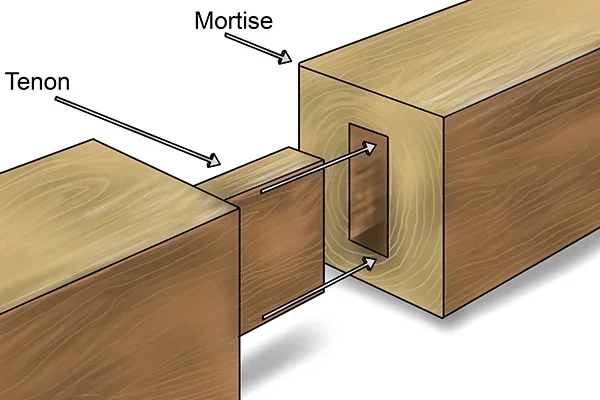
The mortise meaning is simple: it refers to a hole or pocket cut into wood or a door to hold a lock, joint, or other hardware. Whether you are dealing with a mortise lock, a mortise and tenon joint, or just trying to understand door hardware, knowing this term is essential. This guide breaks down everything you need to know in plain, easy-to-follow language.
If you have ever heard someone talk about a mortise meaning and felt confused, you are not alone. The word “mortise” pops up in woodworking, door hardware, and home improvement conversations. But what does it actually mean? And why should you care?
The good news is that the mortise meaning is much simpler than it sounds. At its core, a mortise is just a hole or pocket cut into a piece of wood. That pocket holds something else, like a lock, a tenon, or a hinge. Once you understand this basic idea, everything else falls into place.
In this guide, we will walk you through the full mortise meaning in plain English. You will learn how mortise locks work, how they differ from other lock types, and why they have been a trusted choice for homes and furniture for centuries. Whether you are a DIY beginner or a curious homeowner, this guide has you covered.
Key Takeaways
- Mortise means a cut-out pocket: It is a hole or recess carved into wood or a door to fit a lock, hinge, or joint.
- Mortise locks are common in older homes: They offer strong security and a classic look that many homeowners love.
- A mortise and tenon joint is a woodworking staple: It connects two pieces of wood tightly and has been used for thousands of years.
- Installing a mortise lock requires careful measuring: A mortise chisel and lock body must fit perfectly into the door.
- Maintenance keeps mortise locks working smoothly: Regular oiling and cleaning can extend the life of your lock by many years.
- Mortise locks differ from cylindrical locks: They are more durable and secure but require a deeper pocket in the door.
📑 Table of Contents
What Does Mortise Mean?
The Simple Definition
So, what is the mortise meaning in everyday terms? A mortise is a cavity or recess that is cut into a material, usually wood. The purpose of this cavity is to receive another piece. Think of it like a slot that holds something snugly in place.
In woodworking, a mortise is the hole that receives a tenon. Together, the mortise and tenon joint is one of the oldest and strongest ways to connect two pieces of wood. This joint has been used since ancient Egypt. That tells you how well it works.
In the world of door locks, a mortise refers to the pocket cut into the door edge. This pocket holds the lock body. The lock fits inside the door, not on the surface. This gives the door a clean, streamlined look and adds extra security.
A Brief History of the Word
The word “mortise” comes from the Old French word “morteise.” It has been used in English since the 14th century. Over time, the spelling and pronunciation settled into the form we use today.
The concept itself is ancient. Carpenters and craftsmen have been cutting mortises for thousands of years. The mortise and tenon joint was used to build furniture, temples, and even boats. It is a testament to how simple and effective the design really is.
Today, the mortise meaning has expanded beyond just woodworking. People use the term when talking about locks, hardware, and even construction. But the core idea stays the same: a pocket that holds something secure.
Mortise in Woodworking
The Classic Mortise and Tenon Joint
The mortise and tenon joint is the most common use of the word “mortise” in woodworking. It is a connection method where a protruding piece of wood (the tenon) fits into a hole (the mortise). When glued or pinned, the joint becomes incredibly strong.
Here is why this joint is so popular:
- It is very strong: The tight fit distributes weight evenly across the joint.
- It lasts a long time: Properly made mortise and tenon joints can hold for decades.
- It looks clean: There are no visible screws or nails on the outside.
- It is versatile: You can use it for tables, chairs, doors, and frames.
Woodworkers use different types of mortise and tenon joints depending on the project. Some are through-tenons, where the tenon passes all the way through. Others are blind mortises, where the tenon stops inside the mortise and is not visible from the other side.
Tools You Need for Mortising
If you want to cut a mortise by hand, you need a few basic tools. A mortise chisel is the most important one. It is wider and heavier than a regular chisel, built to handle the force of chopping out wood.
Here is a quick list of tools for hand mortising:
- A sharp mortise chisel (usually 1/4 inch to 1/2 inch wide)
- A marking gauge to scribe the lines
- A mallet or wooden hammer
- A brace and bit or hand drill for boring out waste
- A sharp pencil or knife for layout
Many woodworkers also use a mortise drill or a hollow chisel mortiser. These power tools make the job faster and more precise. But hand-cut mortises have a charm and strength that machine-made ones sometimes lack.
Quick Tip: Always test-fit your tenon before gluing. A dry fit helps you spot any tight spots or gaps. It saves a lot of frustration later.
Mortise in Door Locks
What Is a Mortise Lock?
A mortise lock is a type of door lock that fits inside a pocket cut into the door itself. Unlike surface-mount locks that sit on top of the door, a mortise lock sits inside the door edge. The lock body slides into the mortise pocket, and the trim plates cover the edges.
Mortise locks have been used in homes and commercial buildings for over a century. They are especially common in older American homes built before the 1950s. Many historic buildings still use original mortise locks because they are built to last.
The mortise lock includes several parts. The lock body goes inside the door. The trim includes the escutcheon (the plate around the keyhole) and the rosette (the decorative plate). The strike plate goes on the door frame to catch the latch bolt.
How a Mortise Lock Works
Understanding how a mortise lock works helps you appreciate why it is so reliable. Here is a simple breakdown:
- You insert the key into the lock cylinder.
- The key turns the cylinder, which activates the lock mechanism inside the body.
- The latch bolt slides in or out of the door edge.
- When the latch bolt is in, it keeps the door shut. When you turn the key, it retracts and lets the door open.
Most mortise locks also include a deadbolt. The deadbolt provides extra security because it cannot be opened from the outside without a key. Some mortise locks have both a lever handle and a deadbolt in one unit.
Quick Tip: When choosing a mortise lock, check the backset measurement. This is the distance from the edge of the door to the center of the keyhole. Standard sizes are 2-3/8 inches or 2-3/4 inches. Measuring correctly saves time and frustration during installation.
How to Install a Mortise Lock
Step-by-Step Process
Installing a mortise lock is a bit more involved than installing a basic cylinder lock. But with patience and the right tools, most homeowners can handle it. Here is a step-by-step guide:
- Remove the old lock: Unscrew the trim plates and pull out the lock body.
- Mark the mortise pocket: Use the lock body as a template to trace the outline on the door edge.
- Chisel the pocket: Carefully cut along the lines with a sharp chisel. Go slowly to avoid going too deep.
- Drill the keyhole: Use a hole saw or spade bit to drill the hole for the lock cylinder and handle.
- Insert the lock body: Slide the mortise lock body into the pocket. Make sure it sits flush.
- Attach the trim: Screw on the escutcheon plates and handle.
- Install the strike plate: Screw the strike plate into the door frame.
- Test the lock: Try the key, the handle, and the thumb turn. Make sure everything works smoothly.
Common Mistakes to Avoid
Even experienced DIYers make mistakes when installing a mortise lock. Here are some common errors to watch out for:
- Cutting the mortise pocket too deep: This leaves the lock body exposed and weak. Measure carefully and go slow.
- Using dull tools: A dull chisel tears the wood instead of cutting it cleanly. Sharpen your tools before starting.
- Forgetting to check the door alignment: If the door does not sit flush in the frame, the lock may not latch properly.
- Skipping the dry fit: Always test the lock body in the pocket before finalizing. It saves headaches later.
Expert Insight: “When installing a mortise lock, take your time with the pocket cut. A clean, precise mortise makes all the difference between a lock that works smoothly and one that sticks or jams.” — Professional Locksmith Tip
Mortise Lock vs. Other Lock Types
Mortise vs. Cylindrical Locks
The most common comparison is between a mortise lock and a cylindrical lock. Both serve the same basic purpose, but they work very differently.
A cylindrical lock is a surface-mount lock. It installs on the inside and outside faces of the door. The lock body is visible on the edge of the door. Cylindrical locks are easier to install and are common in modern homes and apartments.
A mortise lock, on the other hand, hides inside the door. This gives it several advantages:
- Better security: The lock body is hidden and harder to tamper with.
- More durable: Mortise locks are built with heavier materials and last longer.
- Classic appearance: They give doors a traditional, elegant look.
- More options: Many mortise locks come with built-in deadbolts and levers.
However, mortise locks also have some downsides. They cost more than cylindrical locks. They require a deeper pocket in the door, which means you cannot use them on very thin doors. And installation is more complex.
| Feature | Mortise Lock | Cylindrical Lock |
|---|---|---|
| Installation | More complex, requires pocket | Simpler, surface mount |
| Security | Higher, hidden body | Standard |
| Durability | Very long-lasting | Good, but shorter lifespan |
| Cost | Higher | Lower |
| Appearance | Classic, elegant | Modern, simple |
| Door Thickness Required | Thicker doors (1-3/8 inch or more) | Works on most door thicknesses |
For homeowners who value security and style, a mortise lock is hard to beat. For renters or those on a budget, a cylindrical lock may be the better choice.
Maintaining and Repairing Mortise Locks
Simple Maintenance Tips
Like any mechanical device, a mortise lock needs regular care to keep working well. The good news is that maintenance is easy and takes just a few minutes.
- Oil the lock yearly: Use a dry graphite lubricant or a silicone-based spray. Avoid WD-40 for long-term use, as it can attract dust and gum up the mechanism.
- Tighten screws regularly: Over time, screws can loosen. Check the trim plates and strike plate every few months.
- Clean the keyhole: Use a soft brush or compressed air to remove dust and debris from the lock cylinder.
- Check door alignment: If the door starts to sag, the lock may not latch properly. Adjust the hinges if needed.
When to Call a Professional
Most minor repairs, like tightening screws or lubricating the mechanism, are easy DIY jobs. But some situations call for a professional locksmith. If the lock cylinder is damaged, if the key no longer turns smoothly, or if the lock body is jammed, it is best to get expert help.
Trying to force a stuck mortise lock can cause more damage. A locksmith can disassemble the lock safely and recommend the right replacement parts if needed.
Common Mistake: Many people try to force a sticky mortise lock with oil spray from a can. While it may work temporarily, it can attract dirt and cause the lock to jam worse over time. Always use proper lock lubricant.
Why Mortise Locks Still Matter Today
You might wonder why mortise locks are still relevant in a world of smart locks and keyless entry. The answer is simple. Mortise locks offer a level of durability and security that most modern locks cannot match. They are built to withstand heavy use and forced entry.
Many homeowners choose mortise locks for their front doors and entryways. The classic look adds character and curb appeal. And because mortise locks use standard replacement parts, you can service them for decades without replacing the entire lock.
The mortise meaning in modern times goes beyond just hardware. It represents a tradition of quality craftsmanship and attention to detail. When you install a mortise lock, you are investing in something that will last for generations.
Quick Tips for Understanding Mortise Meaning
- Remember the pocket: A mortise is always a hole or pocket. Whether in wood or a door, it is a space that holds something else.
- Think of mortise and tenon: The mortise is the hole, and the tenon is the piece that fits inside.
- Mortise locks hide inside the door: They are not visible on the surface, which gives a clean look.
- Measure twice, cut once: Always double-check your measurements before cutting a mortise pocket.
- Use the right chisel: A mortise chisel is thicker and stronger than a standard chisel. It handles the extra force needed for cutting.
Key Takeaways
- The mortise meaning is straightforward: It is a pocket or cavity cut into wood or a door to hold a lock, joint, or other hardware.
- Mortise and tenon joints are among the strongest woodworking connections: They have been used for thousands of years and remain popular today.
- Mortise locks are durable, secure, and stylish: They are a great choice for front doors and entryways in both old and new homes.
- Installation requires precision: The mortise pocket must be cut accurately for the lock to work properly.
- Regular maintenance keeps mortise locks in top shape: Lubrication and tightening screws go a long way.
- Mortise locks differ from cylindrical locks: They are more secure and longer-lasting but cost more and require thicker doors.
Conclusion
The mortise meaning is one of those terms that sounds technical but is really quite simple. Whether you are talking about woodworking or door locks, a mortise is just a pocket that holds something securely. That is it.
Understanding this concept opens up a world of knowledge about how doors, furniture, and buildings are constructed. The next time you hear someone mention a mortise lock or a mortise and tenon joint, you will know exactly what they are talking about.
Mortise locks have stood the test of time for good reason. They are strong, reliable, and beautiful. And the woodworking joints they are named after have been holding structures together for millennia. Whether you are a homeowner, a woodworker, or just someone who loves learning new things, the mortise meaning is a valuable piece of knowledge to have in your toolkit.
Now that you understand the basics, why not take a closer look at the doors in your home? You might just find a mortise lock hiding in plain sight, quietly doing its job year after year.
Frequently Asked Questions
What is the basic mortise meaning in simple terms?
A mortise is a hole or pocket cut into wood or a door that holds another piece, such as a lock, a tenon, or a hinge. It is essentially a recess designed to receive and secure something else. The mortise meaning applies to both woodworking joints and door lock installations.
How is a mortise lock different from a regular door lock?
A mortise lock fits inside a pocket cut into the door edge, while a regular cylindrical lock sits on the surface of the door. Mortise locks are more durable, more secure, and have a cleaner appearance. They are commonly found in older homes and high-quality entry doors.
Can I install a mortise lock myself?
Yes, you can install a mortise lock yourself if you have basic woodworking tools and some patience. You will need to cut a precise pocket in the door edge, drill the keyhole, and attach the trim plates. If you are not comfortable with power tools, it is best to hire a professional locksmith or carpenter.
What tools do I need to cut a mortise by hand?
The essential tools include a sharp mortise chisel, a mallet, a marking gauge, a brace and bit or hand drill, and a sharp pencil for layout. A hollow chisel mortiser or mortise drill can speed up the process if you work on projects regularly.
Are mortise locks still used in modern homes?
Yes, mortise locks are still used in modern homes, especially for front doors and entryways. They offer superior security and a classic look that many homeowners prefer. While they cost more than standard locks, their durability and long lifespan make them a worthwhile investment.
What should I do if my mortise lock starts sticking?
First, try lubricating the lock with a dry graphite lubricant or silicone spray. If that does not work, check the door alignment and tighten any loose screws. If the lock is still sticking, the issue may be inside the lock body. In that case, contact a professional locksmith to avoid causing further damage.
=== CONCLUSION ===
The mortise meaning is a simple yet powerful concept that plays a big role in both woodworking and home security. Whether you are cutting a pocket for a mortise lock or building a sturdy mortise and tenon joint, understanding this term gives you confidence and knowledge. Take what you have learned from this guide, apply it to your next project, and enjoy the satisfaction of working with a timeless craft that has stood the test of time.