
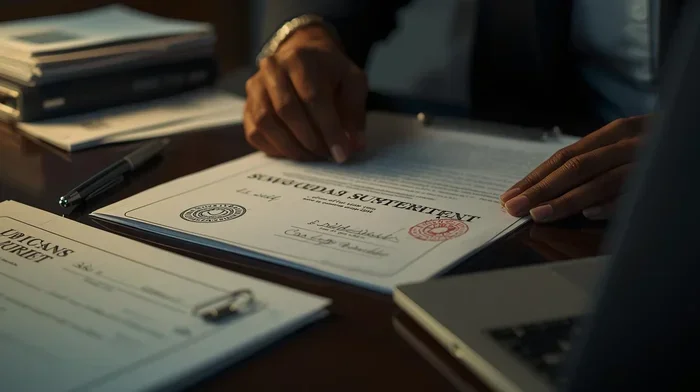
The subpoena meaning is simple: it is a legal order that forces you to appear in court or provide evidence. Understanding the subpoena meaning helps you protect your rights and avoid serious penalties. This guide breaks down everything you need to know about how subpoenas work, the different types, and what to do when one lands in your hands.
Have you ever received a letter in the mail that made your stomach drop? Maybe it was thick, official-looking, and stamped with the word “SUBPOENA” in bold letters. If so, you are not alone. Thousands of people receive subpoenas every year, and most of them have no idea what to do next. The subpoena meaning might sound intimidating, but it does not have to be. In this guide, we will break down the subpoena definition in plain language, explain the different types, and walk you through exactly what happens when one shows up at your door.
Whether you are dealing with a civil case, a criminal case, or you are simply curious about how the legal system works, this article has you covered. We will talk about legal obligations, court orders, and the real consequences of ignoring a subpoena. By the end, you will know the subpoena meaning inside and out, and you will feel prepared to take action if the day ever comes.
Key Takeaways
- A subpoena is a legally binding court order that requires you to testify or hand over documents.
- There are two main types: subpoenas ad testificandum (to testify) and subpoenas duces tecum (to produce evidence).
- Ignoring a subpoena can result in serious penalties including fines, jail time, or contempt of court charges.
- You have the right to challenge a subpoena if it is overly broad, irrelevant, or burdensome.
- Responding promptly and consulting an attorney is the smartest move when you receive one.
- Subpoenas are used in both civil and criminal cases, so they affect everyday people, not just those involved in trials.
- Understanding your legal rights gives you confidence and helps you avoid costly mistakes.
📑 Table of Contents
What Is the Subpoena Meaning in Plain English?
At its core, the subpoena meaning is straightforward. A subpoena is a legal document issued by a court that orders a person to do something. That “something” usually falls into one of two categories: showing up to give testimony or handing over documents and records. Think of it as a formal request backed by the full weight of the law.
The word “subpoena” comes from Latin. It literally means “under penalty.” That tells you right away that this is not a suggestion. It is an order. When you receive one, the legal proceedings have begun, and the court expects your compliance.
Now, you might wonder how a subpoena definition differs from a regular court summons. A summons tells you that you are being sued or charged with something. A subpoena, on the other hand, is about gathering information. It is a tool used by attorneys and prosecutors to collect evidence. The subpoena meaning centers on compelling people to share what they know or what they have.
Here is a quick example. Imagine your neighbor is involved in a civil case over a property dispute. Their lawyer might send you a subpoena because you witnessed the argument. You are not the defendant. You are not the plaintiff. You are simply a witness who holds relevant information. That is the beauty and the power of a subpoena.
Why Does the Subpoena Meaning Matter to Regular People?
You might think subpoenas only matter to lawyers and judges. But that is not true. Everyday people get subpoenas all the time. You could be a coworker, a friend, a family member, or even a stranger who happened to be in the wrong place at the right time. The subpoena meaning affects anyone who has information, records, or testimony that a court finds relevant.
Understanding the subpoena definition also helps you know your rights. Many people panic when they receive one. They worry they are in trouble. But being subpoenaed does not mean you did anything wrong. It means the court needs what you have. That distinction is important, and it can change how you feel and how you respond.
The Two Main Types of Subpoenas Explained
Not all subpoenas are the same. The subpoena meaning covers two primary categories. Each one serves a different purpose and comes with its own rules. Let us break them down so you can tell them apart easily.
Subpoena Ad Testificandum
This is the most common type. A subpoena ad testificandum orders you to appear in person and give testimony. You must show up at a specified time and place, usually a courtroom or a deposition room. Once there, you will be asked questions under oath by an attorney or a prosecutor.
Your testimony becomes part of the legal proceedings. It can be used to support or challenge a case. This type of subpoena is common in both criminal cases and civil cases. For example, in a criminal case, a witness might be called to describe what they saw during an incident. In a civil case, a person might be asked to explain the details of a contract dispute.
The key thing to remember is that you cannot ignore this type of subpoena. Showing up is not optional. It is a legal obligation enforced by the court.
Subpoena Duces Tecum
The second type is the subpoena duces tecum. This one does not require you to testify. Instead, it asks you to produce documents, records, or physical evidence. The subpoena duces tecum meaning translates to “under penalty, bring with you.” So you must gather the requested materials and deliver them by the deadline.
Common examples include emails, financial records, medical files, photographs, or business documents. In a civil case, a lawyer might request bank statements to prove a financial claim. In a criminal case, prosecutors might ask for phone records or surveillance footage. The evidence you provide can make or break a case, which is why courts take this type of subpoena very seriously.
Sometimes, the two types are combined into one document. This is called a subpoena ad testificandum duces tecum. It orders you both to appear and to bring specific materials. If you receive one of these, you need to prepare for both obligations.
What Happens When You Receive a Subpoena?
Receiving a subpoena can feel overwhelming. But knowing the steps to take can make a huge difference. Here is what typically happens after a subpoena arrives.
- You receive the document. It may be hand-delivered by a process server, mailed to your address, or served at your workplace. The court summons will include details about when and where you need to go or what you need to produce.
- You review the instructions carefully. Pay attention to the date, time, location, and any deadlines for producing documents. Missing a deadline can create serious problems.
- You consult an attorney. This is one of the most important steps. Even if you think the subpoena is simple, talking to a legal professional gives you peace of mind. An experienced attorney can help you understand your legal rights and figure out the best path forward.
- You comply or challenge the subpoena. If the subpoena is valid and relevant, you should follow it. If you believe it is unfair, overly broad, or violates your legal rights, you can file a motion to quash or modify it.
The entire process revolves around compliance. Courts expect people to take subpoenas seriously. When you do, you protect yourself and support the legal proceedings.
What If You Ignore a Subpoena?
This is a question many people ask, and the answer is not good. Ignoring a subpoena is one of the worst things you can do. The subpoena meaning includes an enforcement mechanism. When you fail to comply, the court has the power to step in.
Here are the possible consequences of ignoring a subpoena:
- Contempt of court charges: This is the most common penalty. Being held in contempt means the court views your refusal as a direct challenge to its authority.
- Fines: Courts can impose heavy financial penalties. These fines can range from hundreds to thousands of dollars, depending on the situation.
- Jail time: In serious cases, ignoring a subpoena can lead to jail. This is rare but entirely possible, especially if you refuse repeatedly.
- Case penalties: Your refusal can also affect the outcome of the case. The court may draw negative inferences or issue sanctions against you.
The bottom line is clear. The subpoena definition includes real consequences. Taking it seriously is not just smart. It is essential.
How to Respond to a Subpoena the Right Way
Now that you understand the subpoena meaning, let us talk about action. What should you actually do when a subpoena arrives? The steps below will help you handle the situation with confidence.
Step One: Read the Document Thoroughly
Do not toss the subpoena aside or stick it in a drawer. Sit down and read every word. Identify the type of subpoena, the deadline, and the specific request. Look for details about where you need to go and what you need to bring. If anything is unclear, that is a sign you need help.
Step Two: Contact a Qualified Attorney
You do not have to navigate this alone. An experienced attorney can review the subpoena, explain your options, and represent you if needed. Many lawyers offer free consultations, so there is no harm in reaching out. This step is especially important if the subpoena asks for sensitive or personal evidence.
Step Three: Gather What Is Requested
If the subpoena is a subpoena duces tecum, start collecting the documents or records right away. Organize them carefully. Make copies for your own records before you hand anything over. Being organized shows the court that you take the legal obligation seriously.
Step Four: Show Up on Time
If you are ordered to testify, arrive early. Dress appropriately. Bring any documents the subpoena requests. When you are in the room, speak honestly and clearly. Remember, you are under oath. Lying under oath is perjury, and that carries its own severe penalties.
Quick Tips for Subpoena Compliance
- Keep a copy of the subpoena in a safe place.
- Mark all deadlines on your calendar immediately.
- Do not destroy or alter any requested documents.
- Communicate with the issuing attorney if you need clarification.
- Never ignore a subpoena, even if you think it is a mistake.
Common Mistakes People Make with Subpoenas
Even well-meaning people make mistakes when dealing with subpoenas. Avoiding these common errors can save you a lot of stress and trouble.
Mistake One: Assuming It Is Not Important
Some people receive a subpoena and toss it in the trash. They think it is junk mail or a scam. That is a dangerous assumption. A legitimate subpoena is a court order, and it demands your attention. Always verify the source and treat it with respect.
Mistake Two: Waiting Too Long to Respond
Deadlines matter. When you procrastinate, you risk missing the cutoff. Courts do not accept “I forgot” as a valid excuse. If you need more time, contact the issuing attorney as soon as possible. They may grant an extension, but only if you ask.
Mistake Three: Destroying or Hiding Documents
This one is a big deal. Spoliation of evidence, or the destruction of documents related to a case, can result in severe penalties. Courts can impose fines, sanctions, or even criminal charges. If a subpoena asks for documents, hand them over. Do not delete emails, shred papers, or hide anything.
Mistake Four: Testifying Without Legal Advice
You have the right to an attorney during deposition or testimony. Some people skip this step because they think it saves money or time. But going in without guidance can backfire. An attorney can protect your interests, object to improper questions, and make sure your legal rights are respected.
Expert Insight on Subpoena Compliance
Legal experts agree that the best approach is simple: take the subpoena seriously, seek professional advice, and respond promptly. According to practicing attorneys, most people who comply with subpoenas have nothing to worry about. The ones who run into trouble are the ones who ignore the process or try to handle it alone without understanding the subpoena meaning.
“A subpoena is not something to fear,” says one family law specialist. “It is a tool the court uses to find the truth. If you cooperate and follow the rules, you will be just fine.”
Your Rights When Facing a Subpoena
Understanding the subpoena meaning also means knowing your rights. You are not powerless when a subpoena lands in your lap. The law gives you several protections.
First, you have the right to challenge a subpoena. If it is overly broad, irrelevant, or imposes an undue burden, you can ask the court to modify or quash it. This is especially common with subpoena duces tecum requests that ask for thousands of documents. Courts want requests to be reasonable and proportional.
Second, you have the right to seek reimbursement. If complying with a subpoena requires you to travel, take time off work, or hire experts, you can ask the court to cover those costs. This is known as a subpoena fee or witness fee, and it is available in most jurisdictions.
Third, you have the right to remain silent on certain matters. While you must comply with a valid subpoena, you are not required to provide information that is protected by privilege. Attorney-client privilege, doctor-patient privilege, and spousal privilege can all shield certain communications from disclosure.
Knowing these legal rights empowers you. It transforms the subpoena meaning from something scary into something manageable. When you understand what you can and cannot be forced to do, you approach the process with confidence.
The Role of Subpoenas in Different Legal Settings
Subpoenas show up in many different legal settings. In criminal cases, prosecutors use them to gather evidence from witnesses, phone companies, banks, and other third parties. In civil cases, attorneys for either side use subpoenas to build their arguments. In grand jury proceedings, subpoenas are used to compel testimony and document production from individuals who may have knowledge of a crime.
Depositions are another common setting. A deposition is an out-of-court testimony where a witness answers questions under oath. A subpoena is often required to compel someone to attend a deposition, especially if they are not already a party to the case. The subpoena meaning in this context is simple: show up and tell the truth.
Even administrative agencies use subpoenas. Government bodies like the SEC, IRS, and OSHA can issue their own version of subpoenas to investigate violations. While the process may differ slightly, the core subpoena definition remains the same: a court-ordered demand for testimony or evidence.
The subpoena meaning is not limited to dramatic courtroom scenes. It touches everyday life in ways most people never expect. A simple neighbor dispute, a workplace accident claim, or a business contract disagreement can all lead to subpoenas. Understanding the subpoena meaning prepares you for whatever the legal system throws your way.
Conclusion
The subpoena meaning is clearer than most people think. At its heart, a subpoena is simply a legal document that asks you to help the court find the truth. Whether you are asked to testify in person or to hand over important documents, your role matters. The legal proceedings depend on people like you stepping up and sharing what they know.
Ignoring a subpoena is never the right move. The consequences can be severe, including fines, jail time, and contempt of court charges. Instead, take a deep breath, read the document carefully, and reach out to an attorney if you need guidance. Compliance is not just about avoiding penalties. It is about doing your part in a system designed to serve justice.
Remember, being subpoenaed does not mean you are in trouble. It means the court values what you have to offer. When you understand the subpoena definition and know your legal rights, you can face the process with confidence and clarity. The subpoena meaning is really just about fairness: giving everyone a chance to be heard.
So the next time a subpoena shows up on your doorstep, do not panic. You now know exactly what it means, what to do, and how to protect yourself. That knowledge is power, and it is all yours.
Frequently Asked Questions
What is the subpoena meaning in simple terms?
A subpoena is a court order that tells you to either appear and testify or provide documents and records. It is a binding legal requirement, not a suggestion. Ignoring it can lead to serious penalties.
Do I have to comply with a subpoena if I do not want to?
Yes, you generally must comply. However, you have the right to challenge a subpoena if it is overly broad, irrelevant, or violates your legal rights. Talk to an attorney to explore your options before deciding how to respond.
What happens if I ignore a subpoena?
Ignoring a subpoena can result in contempt of court charges, fines, and even jail time. Courts take non-compliance very seriously because subpoenas are essential to the legal process.
Can a subpoena be used in both criminal and civil cases?
Yes. Subpoenas are used in criminal cases to gather evidence and compel witness testimony. They are also used in civil cases to collect documents and testimony relevant to disputes. The subpoena meaning applies across both types of legal proceedings.
What is the difference between a subpoena and a court summons?
A court summons tells you that you are being sued or charged with a crime. A subpoena is about collecting information. It orders you to testify or produce documents. They serve different purposes in the legal system.
Do I need a lawyer to respond to a subpoena?
You are not required to have a lawyer, but it is highly recommended. An attorney can help you understand the subpoena meaning, review the request, protect your legal rights, and ensure you comply correctly without exposing yourself to unnecessary risk.