
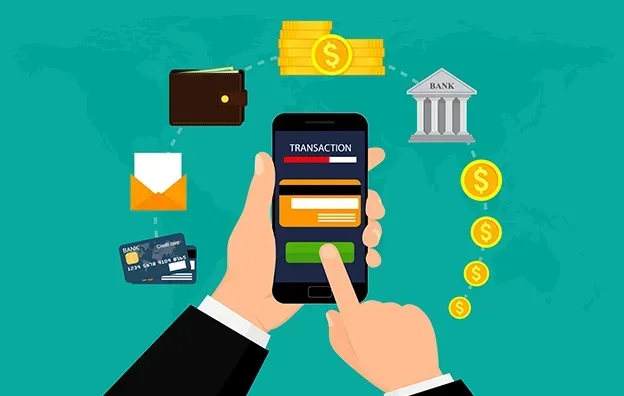
ACH meaning stands for Automated Clearing House, the network that powers most electronic bank transactions in the United States. Understanding ACH meaning helps you manage payments, avoid fees, and use electronic funds transfer more wisely. This guide covers everything you need to know about how ACH works and why it matters for your finances.
Key Takeaways
- ACH meaning refers to the Automated Clearing House, the backbone of electronic bank transactions in the U.S.
- ACH transfers are cheaper and more convenient than wire transfers for most routine payments.
- Direct deposit and payroll deposits rely on the ACH network to move money safely and efficiently.
- Same-day ACH has made electronic payments faster, closing the gap with real-time transfers.
- Knowing how ACH debit and ACH credit work helps you avoid common mistakes and save on transaction fees.
- The ACH network is managed by NACHA, which sets rules and standards for all electronic payments.
- Understanding ACH meaning empowers you to make smarter choices about how you send and receive money.
📑 Table of Contents
What Does ACH Mean?
Let us start with the basics. ACH meaning stands for Automated Clearing House. It is a network that moves money between banks across the United States. When you set up a direct deposit or pay a bill online, there is a good chance the ACH network is handling the transaction behind the scenes.
The ACH network processes millions of transactions every single day. It connects thousands of banks and financial institutions into one unified system. Without it, every payment would require manual handling. That would be slow, expensive, and full of errors.
The Full Name and What It Stands For
Automated Clearing House might sound like a mouthful. But the name tells you exactly what it does. “Automated” means the process runs on its own. “Clearing” refers to sorting and matching payment details. “House” simply means it is a central system that handles everything.
Think of it like a giant post office for money. Instead of letters, it moves funds. Instead of stamps, it uses digital instructions. The ACH network makes sure your money gets from point A to point B safely and accurately.
Why ACH Is Everywhere in Banking
You might wonder why ACH meaning matters so much in everyday banking. The answer is simple. Most electronic payments in the U.S. run through this network. Your paycheck, your utility bills, even your subscription services. They all use electronic payments powered by ACH.
The ACH network handles both ACH credit and ACH debit transactions. A credit pushes money into your account. A debit pulls money out. Both types are secure, regulated, and widely used. Understanding this difference helps you track your bank transactions more effectively.
How ACH Transactions Work Behind the Scenes
Now that you know ACH meaning, let us look at how the process actually works. It is simpler than you might think. The ACH network uses a batch processing system. This means payments are grouped together and processed in batches throughout the day.
The Step-by-Step Process
Here is how a typical ACH transfer works in plain terms:
- A company or person initiates a payment. This could be your employer sending your payroll deposit or a utility company collecting a bill.
- The originator sends the transaction details to their bank, also called the originating depository financial institution.
- The bank bundles this transaction with others and sends it to an ACH operator.
- The ACH operator sorts the transactions and sends them to the receiving bank.
- The receiving bank credits the funds to the recipient’s account.
Each of these steps happens digitally. The entire process usually takes one to three business days. However, same-day ACH is changing the game. It allows certain transactions to be completed within the same day.
Role of NACHA and the ACH Network
NACHA stands for the National Automated Clearing House Association. This organization oversees the rules and governance of the ACH network. NACHA sets the standards that all participating banks must follow. They make sure financial transactions are safe, consistent, and fair for everyone.
NACHA also updates the rules regularly. For example, they expanded same-day ACH capabilities over the past few years. This means faster payments and better service for consumers and businesses alike. When you hear about payment rails, ACH is one of the main rails in the U.S. financial system.
Types of ACH Transfers You Should Know
Not all ACH transfers are the same. There are different types, and knowing them helps you understand your bank transactions better. Let us break down the main categories.
ACH Credits
An ACH credit pushes money into a recipient’s account. This is how direct deposit works. When your employer sends your paycheck electronically, it is an ACH credit. Government benefits, tax refunds, and stimulus payments also use this method.
ACH credits are great because they are reliable and low-cost. Your employer does not need to print checks or mail anything. The money appears in your account automatically. This is one of the most common uses of electronic funds transfer in daily life.
ACH Debits
An ACH debit pulls money out of your account. When you set up automatic bill pay, you are authorizing an ACH debit. The company you are paying initiates the pull, and your bank processes it.
ACH debits are also used for subscription services. Streaming platforms, gym memberships, and monthly utility bills often use this method. The key thing to remember is that you give permission for the company to withdraw funds. Always review your bank transactions to make sure the pulls are legitimate.
Direct Deposit and Payroll
Direct deposit is one of the biggest uses of the ACH network. Over 90 percent of U.S. workers receive their pay through direct deposit. This means ACH meaning touches the lives of millions of people every single pay period.
Payroll deposits are fast, secure, and convenient. You do not need to visit a bank or deposit a check. The funds appear in your account on payday. Many employers even offer early access to payroll funds through the ACH network. This is a great perk that saves you from waiting for the traditional processing window.
ACH vs Wire Transfer: What’s the Difference?
People often confuse ACH transfers with wire transfers. Both move money between accounts, but they work very differently. Understanding the difference helps you choose the right method for your needs.
Speed and Timing
Wire transfers are typically faster than ACH transfers. A domestic wire can settle within hours, sometimes minutes. ACH transfers usually take one to three business days. However, same-day ACH has narrowed this gap significantly.
If you need to send money urgently, a wire transfer might be the better choice. For routine payments like bills and payroll, ACH transfers are perfectly fine. The slight delay does not matter for most everyday transactions.
Cost Comparison
Here is where ACH transfers really shine. Most ACH transactions cost very little or nothing at all. Many banks offer free ACH transfers for personal accounts. Wire transfers, on the other hand, can cost anywhere from $15 to $50 per transfer.
For businesses, the savings add up quickly. Processing hundreds or thousands of payments through the ACH network instead of wires can save thousands of dollars per year. This is why most businesses prefer electronic payments via ACH for routine transactions.
When to Use Which
Use ACH transfers for regular, non-urgent payments. Think payroll, bill pay, and recurring subscriptions. Use wire transfers for large, time-sensitive transactions like real estate closings or urgent business payments.
Both methods are secure and widely accepted. The choice comes down to speed and cost. For most people, understanding ACH meaning is enough to make the right call for everyday bank transactions.
Benefits of Using ACH for Your Bank Transactions
There are many reasons why ACH transfers have become the go-to method for electronic payments. Let us look at the biggest advantages.
Lower Fees
ACH transactions are among the cheapest ways to move money. Many banks charge zero fees for incoming and outgoing ACH transfers. Compare that to wire fees, which can eat into your budget quickly.
For businesses, low transaction fees mean more money saved. Those savings can be passed on to customers or reinvested in the business. This is one of the main reasons payment processing through ACH is so popular.
Convenience and Automation
One of the best things about the ACH network is automation. You can set up recurring payments and never think about them again. Your rent, your car payment, your insurance bill. All handled automatically through ACH debits.
This kind of automation reduces the risk of missed payments. It also saves you time. No more writing checks or driving to the bank. Once you set up electronic funds transfer, your bank transactions run on autopilot.
Security Features
ACH transactions are regulated and secure. NACHA enforces strict rules to protect consumers. Banks also use encryption and fraud detection to monitor financial transactions on the network.
Unlike paper checks, ACH transfers do not expose your routing number and account number in a physical form. Digital processing reduces the risk of theft and fraud. Of course, you should still monitor your accounts regularly and report any unauthorized activity.
Common ACH Mistakes and How to Avoid Them
Even though ACH transfers are simple, mistakes can happen. Knowing what to watch out for saves you time, money, and headaches.
Wrong Routing or Account Numbers
The most common mistake is entering the wrong routing number or account number. A single digit off can send your payment to the wrong place. This can cause delays and require extra steps to fix.
Always double-check your numbers before submitting an ACH transfer. Many banks offer verification tools that confirm the details before processing. Use them. It takes a few extra seconds but can save you a lot of trouble.
Timing Issues
ACH transactions are processed in batches. This means there are cutoff times for same-day processing. If you submit a payment after the cutoff, it will not process until the next business day.
Plan ahead for important payments. Do not wait until the last minute. Understanding the ACH network processing schedule helps you avoid late fees and missed deadlines.
Not Monitoring Your Account
Because ACH debits happen automatically, it is easy to forget about them. Regularly review your bank transactions to make sure all withdrawals are authorized.
Set up alerts for large or unusual transactions. Most banks offer free text or email alerts. This simple step can help you catch unauthorized ACH debits early and protect your money.
What the Future Holds for ACH Payments
The ACH network is constantly evolving. New technology and growing demand are shaping the future of electronic payments. Here is what you can expect.
Same-Day ACH Growth
Same-day ACH has grown rapidly since its introduction. More banks and credit unions now support it. The limits on same-day transactions have also increased, making it viable for larger payments.
As more people adopt same-day ACH, the gap between ACH and wire transfers continues to shrink. Soon, same-day processing may become the default for most ACH transfers. This is great news for consumers and businesses that need faster access to funds.
ACH and Digital Banking
The rise of digital banking has boosted the importance of the ACH network. Mobile payment apps, peer-to-peer payment platforms, and online banking all rely on ACH for fund transfers. When you send money to a friend through an app, there is a good chance it uses the ACH network under the hood.
ACH meaning is expanding beyond traditional banking. It now supports new use cases like peer-to-peer payments, instant bill pay, and even cryptocurrency transactions. The ACH network is becoming more versatile every year.
Key Takeaways
Understanding ACH meaning is one of the simplest ways to take control of your bank transactions. The ACH network powers the electronic payments you use every day. From your payroll deposit to your monthly bills, ACH works silently in the background.
By knowing how ACH credits and ACH debits work, you can make smarter financial decisions. You can choose the right payment method, avoid unnecessary fees, and protect your accounts from mistakes. The ACH network is safe, efficient, and constantly improving.
Take a few minutes today to review your recurring bank transactions. Check your routing and account numbers. Set up alerts. These small steps go a long way in keeping your finances running smoothly. The more you understand about ACH meaning, the more confident you will feel managing your money.
Frequently Asked Questions
What is the ACH meaning in simple terms?
ACH meaning stands for Automated Clearing House. It is a network that electronically moves money between banks. Think of it as a digital highway for bank transactions across the United States.
How long does an ACH transfer take?
Standard ACH transfers typically take one to three business days. However, same-day ACH can complete transactions within the same day if submitted before the cutoff time. Always check with your bank for specific timing details.
Is ACH safe for online payments?
Yes, ACH transactions are very safe. The ACH network is regulated by NACHA and monitored by banks. Encryption and fraud detection tools add extra layers of protection. Always monitor your accounts for any unauthorized activity.
Can I reverse an ACH transfer?
Reversing an ACH transfer is possible but not guaranteed. If the transaction was unauthorized or contained an error, your bank can help you dispute it. Contact your bank as soon as possible to start the reversal process.
What is the difference between ACH debit and ACH credit?
An ACH credit pushes money into your account, like a payroll deposit. An ACH debit pulls money out, like an automatic bill payment. Both types are common and secure forms of electronic funds transfer.
Why are ACH fees usually lower than wire transfer fees?
ACH transfers use batch processing, which is more cost-effective than the real-time processing used by wire transfers. The ACH network handles large volumes of transactions efficiently, which keeps transaction fees low for consumers and businesses alike.
=== CONCLUSION ===
ACH meaning is more than just a banking term. It is the foundation of modern electronic payments in the United States. From direct deposit to bill pay, the ACH network touches nearly every aspect of how we handle money. Understanding ACH meaning gives you the knowledge to manage your bank transactions with confidence.
Whether you are setting up ACH credits for your payroll or reviewing ACH debits on your statement, knowing how the system works makes a big difference. You can avoid fees, prevent mistakes, and take full advantage of the convenience that electronic payments offer.
Take what you have learned from this guide and apply it to your daily finances. Review your recurring payments, check your routing number and account number, and set up account alerts. Small actions today lead to better financial health tomorrow. The world of bank transactions is in your hands now.