
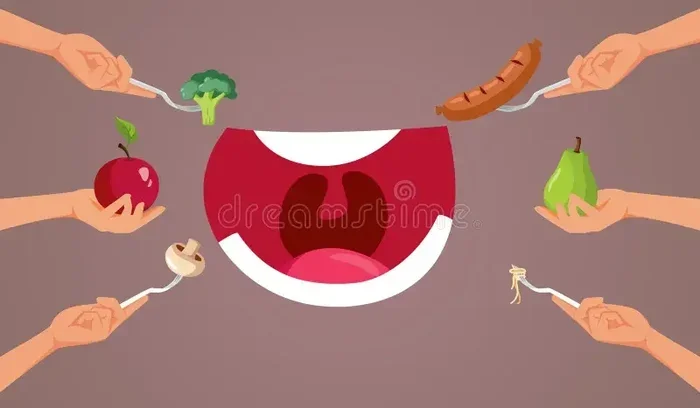
The insatiable meaning describes a feeling that can never be fully satisfied — a relentless, unending hunger or desire. Whether it applies to food, success, knowledge, or emotions, understanding insatiable helps you recognize patterns in your own life. This guide explains everything simply, with real examples and practical tips.
Key Takeaways
- Insatiable means never satisfied: It describes a desire or craving that no amount of fulfillment can fully quench.
- The word has Latin roots: It comes from “insatiabilis,” meaning unable to be filled or satisfied.
- Insatiable can be positive or negative: An insatiable curiosity drives growth, while insatiable greed can cause harm.
- Psychology plays a big role: Unmet emotional needs often fuel insatiable wants and behaviors.
- You can redirect insatiable energy: Channeling it into healthy goals leads to personal growth.
- Balance matters: Knowing when ambition becomes obsession helps you live a more fulfilled life.
📑 Table of Contents
- What Does Insatiable Mean?
- The Origin and History of the Word
- How Insatiable Shows Up in Everyday Life
- Insatiable Desire and Human Psychology
- When Insatiable Becomes a Problem
- How to Channel Insatiable Energy Positively
- Insatiable in Culture and Literature
- Common Mistakes People Make About Insatiable
- Quick Tips for Understanding Insatiable
- Conclusion
What Does Insatiable Mean?
The insatiable meaning is simpler than most people think. At its core, insatiable means something that can never be fully satisfied. No matter how much you get, the feeling of wanting more never goes away.
Think of it like a bottomless pit. You throw in food, money, praise, or attention, and it just keeps asking for more. That is the basic insatiable definition. It comes from the Latin word “insatiabilis,” which literally means “not able to be filled.”
The word is used in many different ways. People talk about insatiable hunger, insatiable curiosity, and even insatiable ambition. Each use carries the same core idea — an endless drive that never reaches a stopping point.
Understanding insatiable starts with recognizing the difference between healthy wanting and unhealthy craving. Sometimes, a strong desire pushes you to achieve great things. Other times, it controls you instead of the other way around.
In this article, we will explore the insatiable meaning in depth. You will learn where the word comes from, how it shows up in daily life, and what psychology says about it. We will also look at how to use insatiable energy in a positive way.
The Simple Definition
Let us keep it very clear. Insatiable is an adjective that describes a desire or need that cannot be fully met. You can never have “enough” of whatever it is you crave.
Here is a quick way to remember it. Think of the prefix “in-” meaning “not” and “satiable” meaning “able to be satisfied.” Put them together, and you get “not able to be satisfied.” That is literally what insatiable means.
The opposite of insatiable is “satiable” or “satisfied.” When you feel satiated, you are full and content. You do not need or want anything more. But when something is insatiable, that feeling of fullness never arrives.
The Origin and History of the Word
Words have stories. The insatiable meaning carries centuries of history behind it. Understanding where a word comes from can make it easier to remember and use correctly.
Latin Roots
The word insatiable traces back to Latin. The root “satis” means “enough” in Latin. Add the prefix “in-” to mean “not,” and you get “not enough” — which perfectly captures the insatiable essence.
The Latin form “insatiabilis” entered English through Old French around the 15th century. By the 1600s, English speakers were using insatiable regularly in literature and everyday conversation.
How the Word Evolved
Originally, insatiable was used mostly to describe physical hunger. A person who could never eat enough was called insatiable. Over time, the meaning expanded to cover all kinds of desires.
Today, you can use insatiable to describe a hunger for knowledge, power, money, or attention. The word has become a flexible tool in modern English. It applies to both concrete needs and abstract wants.
Interestingly, insatiable has kept its negative connotation in most uses. People rarely say “I have an insatiable desire for a good night’s sleep” in a purely positive way. There is usually an undertone of excess or lack of control.
How Insatiable Shows Up in Everyday Life
The insatiable meaning is not just a dictionary entry. It shows up in real life more often than you might think. Let us look at the common ways people experience and express insatiable feelings.
Insatiable Hunger and Appetite
This is the most common use of the word. When someone says they have an insatiable appetite, they mean they are always hungry. No meal ever feels like enough.
You might notice this in yourself after a long workout or during a growth spurt as a teenager. The body simply demands more fuel. It is a natural insatiable response that keeps you nourished and energized.
However, insatiable hunger can also signal emotional issues. Some people eat not because their body needs food, but because they are trying to fill an emotional void. This is a key difference between physical hunger and emotional craving.
Insatiable Desire for Success
Many high achievers describe themselves as having an insatiable drive. They are never content with where they are. They always want the next promotion, the next award, the next milestone.
This kind of insatiable ambition can be a powerful force. It pushes people to innovate, work hard, and reach heights others would not dare. Some of the world’s greatest leaders and entrepreneurs credit their success to this relentless energy.
But there is a fine line. When the desire for success becomes all-consuming, it can damage relationships, health, and happiness. The insatiable pursuit of achievement can turn into burnout very quickly.
Insatiable Curiosity and Learning
Some of the most brilliant minds in history had an insatiable curiosity. They were never satisfied with just one answer. They always wanted to know more, dig deeper, and understand better.
Think of famous scientists, writers, and explorers. Their insatiable need to learn drove major discoveries and creative breakthroughs. This form of insatiable energy is almost always seen as a positive trait.
If you feel a constant pull to learn new things, you might have an insatiable intellectual appetite. That is not a bad thing at all. It can lead to personal growth, new skills, and a richer understanding of the world.
Insatiable Desire and Human Psychology
Psychology offers deep insights into the insatiable meaning. The human brain is wired to want more. Understanding why can help you make sense of your own insatiable feelings.
The Dopamine Connection
Your brain releases dopamine when you get something you want. Dopamine is the “feel-good” chemical. But here is the catch — the brain adapts quickly. What felt exciting yesterday feels normal today.
This is why insatiable cravings exist. You need more of the same thing to get the same pleasure. Psychologists call this the “hedonic treadmill.” It is the main reason people feel insatiable even after getting what they want.
The insatiable meaning in psychology is tied to this cycle of wanting, getting, and wanting again. It is not a character flaw. It is a natural brain response that can spiral out of control if left unchecked.
Unmet Emotional Needs
Sometimes, insatiable wants point to deeper emotional needs. A person who feels insatiable loneliness might seek constant social contact. Someone with insatiable need for approval might chase validation from others endlessly.
These patterns often start in childhood. If basic emotional needs were not met early in life, a person may carry a lifelong sense of insatiable hunger. No amount of external fulfillment can truly fill that gap.
Recognizing this connection is the first step toward healing. Therapy, self-reflection, and healthy relationships can help address the root causes of insatiable emotional patterns.
The Role of Social Media
Social media has amplified insatiable desires in modern life. Constant scrolling feeds a cycle of comparison and wanting. You see others’ highlight reels and feel like you never have enough.
This digital environment creates a perfect storm for insatiable feelings. The feed never ends. The comparison never stops. And the desire for more likes, followers, and validation keeps growing.
Understanding this dynamic is crucial. The insatiable meaning you feel in the digital age is not just about willpower. It is about how technology exploits natural brain chemistry to keep you engaged.
When Insatiable Becomes a Problem
Not all insatiable feelings are harmful. But when does a strong desire cross the line into something unhealthy? Let us explore the warning signs.
Insatiable Greed
Greed is one of the most recognized forms of insatiable behavior. A greedy person always wants more money, more power, or more possessions — even when they already have plenty.
Insatiable greed can destroy relationships, careers, and personal well-being. It focuses entirely on accumulation without any thought to sharing or giving back. The insatiable meaning in this context is deeply negative and often rooted in fear or insecurity.
History is full of examples. Leaders who pursued insatiable wealth at the expense of others. Corporations that valued profit over people. These are cautionary tales about what happens when insatiable desire goes unchecked.
Insatiable Need for Control
Some people feel an insatiable need to control every situation and every person around them. This insatiable behavior often stems from anxiety or past trauma.
When you cannot let go of control, relationships suffer. Trust erodes. And the insatiable need for control becomes a self-fulfilling prophecy — the more you try to control, the more chaotic things become.
Therapy and mindfulness practices can help people address this kind of insatiable pattern. Learning to accept uncertainty is a powerful step toward breaking free.
Recognizing the Signs
How do you know if your insatiable feelings have become problematic? Here are some common signs to watch for:
- You never feel content: Even after achieving a goal, you feel empty or immediately want the next thing.
- Relationships suffer: Your constant wanting or needing pushes people away.
- You feel restless: There is always a nagging sense that you need more or something different.
- Guilt follows fulfillment: Getting what you want brings temporary relief, then guilt or shame.
- Physical symptoms appear: Stress, insomnia, or anxiety accompany your insatiable patterns.
If you recognize these signs in yourself, do not panic. Awareness is the first step. The insatiable meaning in your life does not have to be a life sentence. Change is absolutely possible.
How to Channel Insatiable Energy Positively
The good news is that insatiable energy can be a tremendous asset. The key is learning how to direct it toward healthy, fulfilling goals.
Set Meaningful Goals
Instead of letting insatiable energy scatter you in a dozen directions, focus it on goals that truly matter to you. What do you want to grow? What impact do you want to make?
Write down your goals and break them into smaller steps. This gives your insatiable drive a clear path forward. You get to feed the hunger with purpose instead of chaos.
Many successful people credit their achievements to an insatiable work ethic. The difference is that they channeled that energy constructively. They set boundaries and aligned their goals with their values.
Practice Gratitude Daily
Gratitude is a powerful antidote to insatiable feelings. When you regularly acknowledge what you already have, the insatiable urge to want more softens.
Try keeping a gratitude journal. Write down three things each day that you are thankful for. Over time, this simple practice can rewire your brain to appreciate what is present instead of obsessing over what is missing.
This does not mean you should stop dreaming or setting goals. It means you can pursue growth from a place of abundance rather than lack. That shift in mindset changes everything.
Build Healthy Habits
Replace insatiable patterns with healthy routines. Exercise, meditation, reading, and creative hobbies can all satisfy deep needs in constructive ways.
When you feel an insatiable craving coming on, pause. Ask yourself what you are really hungry for. Is it food, attention, achievement, or something else entirely? Sometimes the insatiable surface desire is just a mask for a deeper need.
Building healthy habits takes time and patience. But each small step you take strengthens your ability to manage insatiable energy wisely.
Seek Support When Needed
There is no shame in asking for help. If your insatiable feelings feel overwhelming, a therapist or counselor can provide valuable guidance.
Professional support helps you uncover the root causes of insatiable patterns. You learn coping strategies and develop a healthier relationship with desire and ambition.
Remember, seeking help is a sign of strength, not weakness. Everyone benefits from support at different points in life. The insatiable meaning of your struggles does not define your future.
Insatiable in Culture and Literature
The insatiable meaning has fascinated writers, artists, and thinkers for centuries. It appears prominently in stories, myths, and cultural narratives around the world.
Famous Literary Examples
In literature, insatiable characters often serve as cautionary figures. Faust, the legendary scholar, made a deal with the devil to satisfy his insatiable thirst for knowledge and experience. His story warns about the dangers of desires that can never be filled.
Similarly, many fairy tales feature characters consumed by insatiable greed. The golden goose, the magic porridge pot, and other tales all explore what happens when insatiable wants take over a person’s life.
These stories endure because they speak to a universal truth. The insatiable meaning resonates with every human who has ever felt the pull of wanting more than they have.
Modern Cultural References
Today, insatiable appears everywhere in pop culture. TV shows, movies, and songs explore themes of insatiable desire in relationships, fame, and consumerism.
The word has even become a common descriptor in everyday conversation. People say things like “an insatiable appetite for adventure” or “her insatiable drive to succeed.” These phrases show how deeply embedded the word is in modern English.
Understanding the insatiable meaning in cultural contexts enriches your appreciation of language. It connects you to centuries of human storytelling and shared experience.
Common Mistakes People Make About Insatiable
Even native English speakers sometimes misuse the word insatiable. Let us clear up a few common mistakes.
Confusing Insatiable with Insatiated
Some people write “insatiated” as the past tense of insatiable. This is incorrect. Insatiable is an adjective, not a verb. You cannot “insatiate” someone. The correct form is simply insatiable — always.
Using Insatiable Only in Negative Contexts
While insatiable often carries a negative tone, it is not always bad. An insatiable desire to help others or an insatiable passion for learning can be deeply admirable. Do not limit the word to only dark or greedy connotations.
Overusing the Word
Because insatiable is such a powerful word, it loses impact when overused. Reserve it for moments when you truly mean an unending, all-consuming desire. Using it for every strong want dilutes its meaning.
Quick Tips for Understanding Insatiable
- Break the word apart: “In-” (not) + “satiable” (able to be satisfied) = insatiable (not able to be satisfied).
- Use it in context: Pair insatiable with nouns like hunger, desire, curiosity, or ambition for clarity.
- Watch for the tone: Insatiable usually implies excess, so use it carefully in formal writing.
- Explore synonyms: Words like “unquenchable,” “relentless,” and “unending” capture similar insatiable energy.
- Reflect on your own life: Think about where you feel insatiable and what might be driving that feeling.
Conclusion
The insatiable meaning is more than just a dictionary definition. It is a window into human nature — our endless capacity to want, to seek, and to strive. Whether that energy drives you toward greatness or traps you in cycles of dissatisfaction depends on how you understand and manage it.
Now you know that insatiable describes desires that never feel fully satisfied. You understand its Latin roots, its psychological underpinnings, and its role in everyday life. You have seen how insatiable energy can be both a gift and a challenge.
The most important takeaway is this. Your insatiable feelings are not something to fear. They are signals — messages from your mind and body about what matters most to you. When you listen to those signals wisely, you can transform insatiable energy into a force for positive change.
So the next time you feel that restless, never-quite-satisfied pull, pause and reflect. Ask yourself what you are truly hungry for. Then channel that insatiable drive toward something meaningful. That is how you turn the insatiable meaning into your greatest strength.
Frequently Asked Questions
What is a simple definition of insatiable?
Insatiable means a desire or need that can never be fully satisfied. No matter how much you get, the feeling of wanting more persists. It comes from Latin roots meaning “not able to be filled.”
Is insatiable always a negative word?
Not necessarily. While insatiable often carries a negative tone, it can be positive when describing healthy ambitions or curiosity. An insatiable drive to learn or help others is usually seen as admirable and aspirational.
What causes someone to feel insatiable?
Several factors contribute to insatiable feelings. Brain chemistry, particularly dopamine cycles, plays a major role. Unmet emotional needs, social media comparison, and past experiences can also fuel a sense of insatiable wanting.
Can insatiable energy be a good thing?
Absolutely. When channeled properly, insatiable energy drives innovation, personal growth, and achievement. Many successful people credit their relentless ambition as a key factor in their accomplishments.
How is insatiable different from greedy?
Insatiable describes the inability to feel satisfied, while greedy describes a selfish desire for more than you need. You can be insatiable without being greedy, and vice versa. They overlap but are not the same.
What are some common synonyms for insatiable?
Common synonyms include unquenchable, relentless, unending, ravenous, and boundless. Each captures a slightly different shade of the insatiable meaning but all share the core idea of never being fully satisfied.