
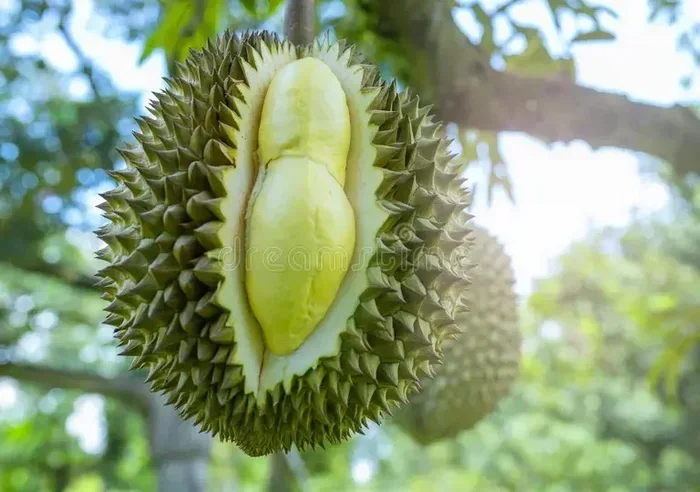
The durian meaning goes far beyond its spiky exterior and divisive smell. Known as the king of fruits in Southeast Asia, durian carries deep cultural, nutritional, and symbolic significance that few fruits can match. Understanding what durian represents opens a fascinating window into tropical food culture, traditional medicine, and culinary artistry.
Key Takeaways
- Durian meaning encompasses cultural symbolism, nutritional power, and sensory experience.
- The fruit is native to Southeast Asia and has been revered for centuries.
- Durian is called the king of fruits because of its rich flavor and health benefits.
- Its strong smell and creamy taste make it one of the most polarizing fruits in the world.
- Different durian varieties carry unique meanings and flavor profiles.
- Durian offers impressive nutrition, including fiber, vitamins, and healthy fats.
- Learning to select and enjoy durian enhances both the experience and the appreciation.
📑 Table of Contents
What Does Durian Meaning Really Mean?
When most people hear the word durian, they think of one thing: the smell. But durian meaning stretches much deeper than that. This tropical fruit carries centuries of cultural weight, nutritional value, and symbolic importance across Southeast Asia. Understanding what durian truly means requires looking at its history, its role in food culture, and the unique experience it offers.
The name durian comes from the Malay word “duri,” which means thorn. This makes perfect sense when you see the fruit’s hard, spiky husk. But inside that tough exterior lies something extraordinary. The durian flesh is creamy, custard-like, and packed with flavor that people either love or find overwhelming.
So why does this fruit matter so much? Durian fruit is not just a snack. It is a symbol of hospitality, a centerpiece of celebrations, and a source of pride for tropical regions. When you understand the durian meaning, you understand a whole world of food traditions that go back generations.
The fruit’s nickname, the king of fruits, tells you everything you need to know. It reigns supreme in tropical food culture. Its durian taste is complex, rich, and unlike anything else you will find in a fruit bowl. Let us dig deeper into why this fruit fascinates so many people around the world.
The Origin of Durian
Durian has been growing wild in Southeast Asia for thousands of years. The durian origin traces back to the Malay Archipelago, which includes modern-day Malaysia, Indonesia, and Brunei. Historians believe the fruit has been cultivated since the 14th century.
Ancient texts from the region mention durian as a prized food. Traders along spice routes helped spread knowledge of the fruit to other parts of Asia. Today, countries like Thailand, Malaysia, and Vietnam are the biggest producers of durian cultivation crops.
The fruit thrives in hot, humid climates. It grows on tall trees that can reach over 50 meters. Each durian plant takes several years to bear fruit, which adds to the fruit’s value and prestige.
Why Durian Is Called the King of Fruits
The title king of fruits is not just a marketing gimmick. It reflects how people in Southeast Asia view this remarkable fruit. Durian meaning in the region goes hand in hand with royalty and respect.
In many Asian countries, durian commands a higher price than other tropical fruits. The durian price can spike during peak season, especially for premium varieties. This is not because the fruit is rare. It is because the quality and flavor of top-grade durian are truly exceptional.
The fruit’s crown-like shape and thick, armored shell reinforce the royal image. When you hold a whole durian, you can see why people compare it to a king wearing a crown. The spikes are like a protective shield, guarding the soft, precious fruit inside.
Nutritional Powerhouse
One reason durian earned the king title is its impressive nutrition profile. Durian nutrition is off the charts compared to most other fruits. A single serving provides a significant amount of energy, fiber, and essential vitamins.
The fruit is rich in B vitamins, vitamin C, potassium, and magnesium. It also contains healthy fats and more protein than most fruits. This makes durian health benefits quite remarkable for a tropical fruit.
People in Southeast Asia have used durian in traditional medicine for centuries. The fruit is believed to boost energy, improve digestion, and support recovery after illness. Modern science is now catching up and confirming many of these traditional claims.
The Fascinating Taste and Smell of Durian
Here is where the debate gets real. The durian smell is famous around the world. Some people describe it as sweet and creamy. Others say it smells like rotten onions or gym socks. The truth is somewhere in between, and it depends on the variety and ripeness.
The smell comes from sulfur compounds that develop as the fruit ripens. These same compounds are found in many foods we enjoy, like garlic and onions. The durian flesh itself tastes nothing like the smell suggests. It is rich, buttery, and slightly sweet with hints of vanilla and caramel.
Many first-time tasters are surprised by how different the taste is from the smell. This contrast is part of what makes the fruit so fascinating. The sensory experience of eating durian is unlike anything else in the fruit world.
Why People Love It
Fans of durian describe its flavor as complex and indulgent. The creamy texture melts in your mouth, almost like a fine dessert. The durian taste has been compared to custard, almonds, and even cheese by different people.
In countries where the fruit grows, people crave it during durian season. The season is short, usually lasting a few months each year. This adds to the excitement and makes durian feel like a special treat rather than an everyday fruit.
Social media has also fueled the global fascination with durian. Videos of people tasting durian for the first time have gone viral millions of times. The reactions range from pure joy to total shock. This polarizing nature is part of what makes the fruit so captivating.
Durian Varieties and Their Unique Meanings
Not all durians are the same. There are hundreds of durian varieties, each with its own flavor profile, texture, and meaning. The most popular varieties come from Thailand, Malaysia, and Indonesia.
In Thailand, the Monthong variety is the most widely exported. It has a mild, sweet flavor and a pale yellow flesh. Other Thai varieties like Chanee and Kan Yao offer different taste experiences and textures.
Malaysian durians are prized for their intense flavor. The Musang King variety is considered the holy grail of durian. Its flesh is golden, thick, and incredibly rich. The durian meaning of Musang King in the region is almost sacred. It represents the highest quality and most sought-after taste.
How Variety Affects Meaning
The variety of durian you choose changes the entire experience. Some types are sweeter, while others are more savory. Some have a firm texture, and others are soft and creamy.
Here are some of the most popular varieties and what they represent:
- Musang King The king of all durians. Rich, bitter-sweet flavor with thick flesh.
- Monthong Mild and sweet. The most common variety exported from Thailand.
- D24 A balanced flavor with a slightly bitter aftertaste. Very popular in Singapore.
- XO Fermented flavor with a strong, complex taste. Aged for a unique profile.
- Red Prawn Named for its reddish flesh. Sweet and creamy with a hint of prawn-like umami.
Each variety carries its own durian meaning in local culture. Choosing a specific type is like choosing a wine. It says something about your taste, your knowledge, and your appreciation for the fruit.
Health Benefits and Nutritional Value of Durian
Beyond its cultural significance, durian meaning also includes its role as a nutritious food. The fruit is loaded with health benefits that make it more than just a delicious treat.
A 100-gram serving of durian provides about 147 calories. It contains 5 grams of fat, 27 grams of carbohydrates, and 1.5 grams of protein. The fiber content is around 3 grams, which supports healthy digestion.
Durian is also rich in antioxidants. These compounds help fight free radicals in the body. Antioxidants are linked to reduced inflammation, better heart health, and lower risk of chronic diseases.
Key Nutrients in Durian
The nutritional profile of durian is surprisingly strong. Here are the key nutrients you get from a typical serving:
- Vitamin C Supports immune function and skin health.
- Potassium Helps regulate blood pressure and fluid balance.
- B Vitamins Aid in energy production and brain function.
- Fiber Promotes healthy digestion and gut bacteria.
- Healthy Fats Provide sustained energy and support cell function.
The durian health benefits extend to mood support as well. The fruit contains tryptophan, an amino acid that helps the body produce serotonin. This is the feel-good chemical that improves mood and promotes relaxation.
Durian in Traditional Medicine
For centuries, people in Southeast Asia have used durian as a healing food. The durian seed is sometimes boiled and eaten as a tonic. The flesh is believed to warm the body and boost recovery from illness.
In Malaysian folk medicine, durian is considered a warming food. It is often eaten to combat fatigue and restore energy. The husk and leaves are also used in traditional remedies for various ailments.
Modern research is beginning to validate some of these claims. Studies suggest that durian may help with anti-aging, improve bone health, and support liver function. The durian plant has compounds that show promising results in laboratory studies.
Cultural Significance of Durian
The durian meaning in Southeast Asian culture cannot be overstated. This fruit is woven into the fabric of daily life, celebrations, and traditions across the region.
In Malaysia and Singapore, durian is a centerpiece of family gatherings. The season is celebrated almost like a holiday. Families gather to share fresh durian, discuss the best varieties, and plan visits to durian farms.
The fruit also plays a role in business and social relationships. Gifting premium durian is a sign of respect and generosity. In some communities, the quality of durian you bring to a gathering says a lot about your standing.
Durian in Festivals
Many Southeast Asian regions hold annual durian festivals. These events celebrate the harvest and showcase the best varieties. Visitors can sample different types, learn about cultivation, and enjoy durian-based foods.
Thailand hosts one of the largest durian festivals each year. The event draws thousands of visitors and celebrates the durian season with music, food stalls, and competitions for the best durian.
The fruit is also deeply connected to religion and spirituality in some communities. Certain temples in Thailand and Malaysia offer durian as a sacred offering. The fruit’s rich, generous nature aligns with values of abundance and gratitude.
Durian in the Global Kitchen
As durian gains popularity worldwide, its cultural meaning is evolving. The fruit is now appearing in restaurants and markets far beyond Southeast Asia. Durian recipes range from traditional desserts to modern fusion dishes.
Durian ice cream, durian pancakes, and durian pastries have become popular globally. The fruit’s creamy texture makes it a perfect ingredient for desserts. Its strong flavor stands out even in sweet dishes.
Some durian dessert creations have gone viral on social media. The durian croissant and durian chocolate are now sought-after treats in many cities. This global spread is giving the fruit a new kind of cultural meaning, one that bridges traditional and modern food culture.
How to Choose and Enjoy Durian
If you are new to durian, knowing how to pick a good one makes all the difference. The durian meaning of a quality fruit starts with selecting the right one at the market or farm.
Look for a durian that feels heavy for its size. The spikes should be firm and sharp. Shake the fruit gently. You should hear the seeds moving slightly inside, which indicates ripe flesh.
The smell is your best guide. A ripe durian should have a strong but pleasant aroma. If it smells harsh or sour, it may be overripe. Trust your nose when choosing fresh durian.
Quick Tips for Enjoying Durian
- Let the fruit open naturally. Do not force it apart.
- Eat the flesh at room temperature for the best flavor.
- Pair durian with sticky rice and coconut cream for a classic treat.
- Start with a small amount if you are new to the fruit.
- Store leftover durian flesh in an airtight container in the refrigerator.
- Try different varieties to explore the full range of flavors.
Common Mistakes When Buying Durian
Avoid these common pitfalls when purchasing durian fruit:
- Buying based on appearance alone. A beautiful shell does not always mean great flesh.
- Choosing durian that is too soft. This may indicate overripeness or bruising.
- Ignoring the smell. A good durian should have a noticeable aroma.
- Purchasing from unreliable sources. Always buy from trusted sellers or farms.
- Storing durian incorrectly. The flesh spoils quickly if not refrigerated.
Expert Insights on Durian
According to tropical fruit experts, the best way to appreciate durian is to approach it with an open mind. The fruit’s unique characteristics are what make it special. Trying different varieties and learning to recognize quality is part of the journey.
Farmers in Malaysia and Thailand often say that the best durian comes from patience. Waiting for the fruit to ripen fully on the tree produces the richest flavor. This hands-off approach is part of why durian cultivation is both an art and a science.
Food scientists also point out that the compounds responsible for durian’s smell are the same ones that give it its complex flavor. The sulfur compounds that divide opinion are also what make the fruit so memorable and addictive.
Conclusion
The durian meaning is far richer than most people realize. This spiky, smelly, and spectacular fruit carries centuries of cultural history, impressive health benefits, and a sensory experience like no other. Whether you call it the king of fruits or simply a unique tropical treasure, durian deserves its place in the spotlight.
Understanding durian meaning means appreciating the fruit in all its complexity. From its humble origins in Southeast Asian forests to its current status as a global delicacy, durian continues to fascinate and inspire. The next time you encounter this fruit, take a moment to appreciate everything it represents.
Try a new variety. Learn to recognize quality. Share the experience with others. The world of durian is vast, rewarding, and full of surprises. Embrace the durian fruit and discover why millions of people around the world consider it the greatest fruit on earth.
Frequently Asked Questions
What does the word durian mean?
The word durian comes from the Malay word “duri,” which means thorn. This refers to the fruit’s hard, spiky outer shell that protects the soft flesh inside. The name perfectly describes the fruit’s most recognizable feature.
Why is durian called the king of fruits?
Durian is called the king of fruits because of its rich flavor, impressive nutritional profile, and cultural prestige in Southeast Asia. The fruit commands higher prices than most tropical fruits and is considered the finest and most luxurious fruit in the region.
Is durian healthy to eat?
Yes, durian is a nutritious fruit packed with vitamins, minerals, fiber, and healthy fats. It provides energy, supports digestion, and contains antioxidants that benefit overall health. However, it is also high in calories, so moderation is key.
Why does durian smell so bad?
Durian smells strong because of sulfur compounds that develop as the fruit ripens. These same compounds are found in foods like garlic and onions. The smell is intense but the taste is actually sweet, creamy, and complex, which surprises many first-time tasters.
What are the best durian varieties?
The Musang King from Malaysia is widely considered the best durian variety for its rich, complex flavor. Other top varieties include Monthong from Thailand, D24 from Singapore, and XO for its fermented, aged taste. Each variety offers a unique experience.
Can you eat durian seeds?
Yes, durian seeds are edible after cooking. They are usually boiled or roasted and have a starchy texture similar to taro. The seeds are a traditional part of durian consumption in Southeast Asia and should not be eaten raw.