
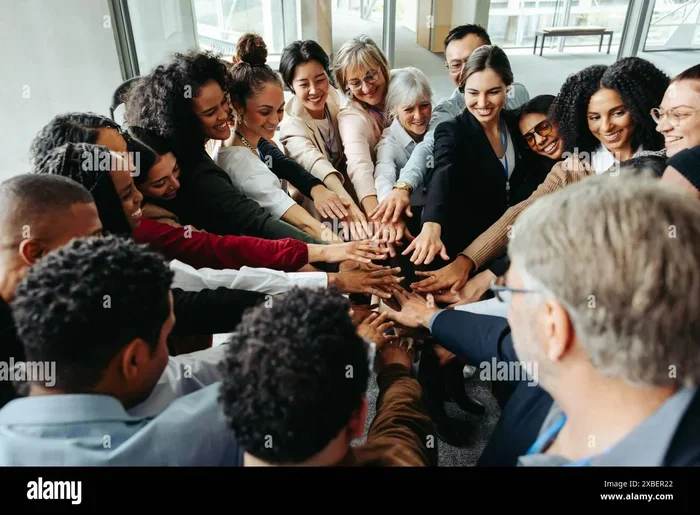
The DEI meaning stands for Diversity, Equity, and Inclusion—three core values that shape how workplaces treat every employee. Understanding DEI meaning helps companies build fairer, more innovative teams where everyone feels valued. When organizations commit to DEI meaning in action, they see stronger engagement, better retention, and improved performance across the board.
Key Takeaways
- DEI meaning covers diversity, equity, and inclusion as a framework for fair and respectful workplaces.
- Workplace diversity brings different perspectives that drive creativity and better decision-making.
- Equity in the workplace ensures everyone gets the support and resources they need to succeed.
- Inclusive workplace cultures make employees feel a genuine sense of belonging and purpose.
- DEI initiatives and DEI programs require ongoing effort, honest data, and leadership commitment.
- Common mistakes like performative gestures or ignoring feedback can undermine DEI goals quickly.
- Building a DEI-friendly culture starts with small daily actions, not just big policy announcements.
📑 Table of Contents
- What Does DEI Mean? Understanding the Full Picture
- Why DEI Meaning Matters in Today’s Workplace
- Building a Strong DEI Strategy That Actually Works
- Common DEI Initiatives and Programs Companies Use
- Challenges Companies Face with DEI and How to Overcome Them
- Quick Tips for Embedding DEI Into Daily Work
- Conclusion
What Does DEI Mean? Understanding the Full Picture
If you have heard the term DEI meaning tossed around in meetings, articles, or social posts, you are not alone. DEI meaning is everywhere right now, and for good reason. It represents something fundamental about how workplaces should treat people. But what exactly does it mean, and why does it matter so much?
DEI meaning breaks down into three powerful words: Diversity, Equity, and Inclusion. Each word carries its own weight. Together, they form a framework that guides how companies hire, lead, support, and grow their teams. Let us look at each piece closely.
Diversity: More Than Just Numbers
Diversity in the workplace means having a mix of people from different backgrounds. This includes race, gender, age, religion, disability, sexual orientation, and more. It also covers differences in education, life experience, and thinking style.
Many people confuse diversity with meeting a quota. But real diversity goes deeper than headcounts. It is about welcoming a wide range of human experiences into one room. When a team reflects the world it serves, it understands customers better and solves problems more creatively.
Equity: Fairness for Everyone
Equity often gets confused with equality. They are not the same thing. Equity in the workplace means giving each person what they need to thrive. Some people need more support than others to reach the same starting line. That is the point.
Think of it this way. If three people stand behind a fence, equality gives them all the same box to stand on. Equity gives each person the number of boxes they actually need to see over the fence. Equitable workplace practices remove barriers instead of pretending they do not exist.
Inclusion: Making Sure Everyone Belongs
Inclusion is about creating a space where every person feels welcomed, respected, and heard. A diverse team can still feel unwelcoming if people do not feel safe to speak up. Inclusive workplace cultures make sure that does not happen.
When employees feel included, they bring their full selves to work. They share ideas without fear. They collaborate more openly. Inclusion is not a one-time event. It is a daily practice that leaders and teams must nurture together.
Why DEI Meaning Matters in Today’s Workplace
You might wonder why DEI meaning gets so much attention. The answer is simple: it works. Companies that take DEI meaning seriously see real results. Let us explore the reasons this matters so much right now.
Better Decision-Making and Innovation
Teams with diverse backgrounds approach problems from different angles. This leads to more creative solutions. Research shows that diverse teams outperform homogeneous ones when it comes to innovation. When everyone thinks alike, the group misses blind spots. Different perspectives catch things others would overlook.
A tech company with a diverse workforce will design products that serve a wider range of users. A marketing team with varied life experiences will craft campaigns that resonate with more people. DEI meaning directly fuels better business outcomes.
Stronger Employee Engagement and Retention
People want to work somewhere they feel valued. When employees see that their company cares about equity and inclusion, they feel more connected. This connection drives employee engagement, which reduces turnover. Replacing a worker is expensive. Keeping great talent through a supportive culture saves money and builds institutional knowledge.
Studies consistently show that workers who feel a sense of belonging at work are more productive. They show up with energy and commitment. They become advocates for the company, both inside and out.
Meeting Customer and Market Expectations
Today’s customers expect companies to stand for something beyond profit. Consumers want to support brands that reflect their values. A strong commitment to DEI meaning signals that a company understands and respects its audience. This builds trust and loyalty over time.
Companies that ignore DEI goals risk losing ground to competitors who do not. The market has changed. Customers are paying attention to who stands for what.
Building a Strong DEI Strategy That Actually Works
Knowing the DEI meaning is one thing. Putting it into practice is another. A thoughtful DEI strategy turns words into real change. Here is how companies can build one that sticks.
Start with Honest Assessment
Before launching any DEI initiatives, leaders need to understand where they stand. This means collecting honest data about the workforce. Look at hiring patterns, promotion rates, pay gaps, and employee feedback. You cannot fix what you do not measure.
A good DEI strategy starts with listening. Survey employees. Hold focus groups. Ask hard questions. The answers may be uncomfortable, but they are necessary. Transparency builds trust.
Set Clear, Measurable Goals
Vague promises do not move the needle. Set specific DEI goals with timelines and accountability. For example, aim to increase representation of underrepresented groups in leadership by a set percentage within two years. Track DEI metrics regularly and share progress openly.
Goals should be ambitious but realistic. They should also evolve as the company grows. A DEI strategy is not a set-it-and-forget-it project. It requires ongoing attention and adjustment.
Embed DEI into Everyday Operations
The biggest mistake companies make is treating DEI meaning as a side project. It should be woven into everything. Hiring practices, performance reviews, team meetings, and company policies all need a DEI lens.
When DEI in business becomes part of the daily rhythm, it stops feeling like an afterthought. It becomes who the company is, not just something it talks about. This kind of integration takes time, but it creates lasting change.
Invest in Training and Education
DEI training helps people understand unconscious bias, cultural competence, and respectful communication. These sessions should go beyond one-off workshops. Ongoing learning creates lasting awareness.
Effective DEI training includes real scenarios and open discussions. Employees should feel safe to ask questions and make mistakes. The goal is growth, not perfection. A DEI program that includes regular learning opportunities keeps the conversation alive.
Hold Leaders Accountable
Leadership commitment is the backbone of any successful DEI initiative. When executives model inclusive behavior, it sets the tone for the entire organization. Hold leaders accountable for DEI goals just like any other business metric.
This means tying DEI outcomes to performance reviews and compensation. If leaders are not evaluated on their DEI efforts, those efforts will never get the attention they deserve. Accountability drives action.
Common DEI Initiatives and Programs Companies Use
Many organizations launch DEI programs to show their commitment to DEI meaning. Some work well. Others fall flat. Here are common approaches and what makes them effective.
Employee Resource Groups
Employee Resource Groups, or ERGs, are voluntary communities within a company. They bring together people with shared identities or experiences. Examples include groups for women, veterans, LGBTQ+ employees, or people of color. ERGs give employees a voice and a support network inside the organization.
Well-run ERGs boost employee engagement and provide valuable feedback to leadership. They also help new hires feel connected from day one. Companies should fund and support ERGs with real resources, not just lip service.
Mentorship and Sponsorship Programs
Mentorship programs connect less experienced employees with seasoned leaders. This is especially important for underrepresented groups who may lack access to informal networks. Sponsorship goes a step further. Sponsors actively advocate for their mentees’ career growth.
These programs directly address equity in the workplace by opening doors that might otherwise stay closed. They show employees that the company invests in their future.
Unconscious Bias Training
Everyone has biases. They are a natural part of how our brains process information. Unconscious bias training helps people recognize their blind spots and make more fair decisions. This training is most effective when it is ongoing, not a one-time event.
Pair bias training with practical tools. For example, use structured interviews for hiring to reduce subjective judgments. These DEI best practices turn awareness into real change.
Pay Equity Audits
Regular pay audits help companies identify and fix wage gaps. These audits look at compensation by gender, race, and other factors. When a company finds disparities, it should take action quickly and transparently.
Pay equity is one of the most tangible ways DEI meaning shows up in practice. Employees notice when a company walks the talk on fair pay. It builds credibility and trust.
Challenges Companies Face with DEI and How to Overcome Them
Pursuing DEI meaning is not always smooth. Companies face real obstacles along the way. Understanding these challenges helps leaders navigate them more effectively.
Resistance and Skepticism
Some employees push back against DEI efforts. They may see them as unnecessary or even unfair. This resistance often comes from misunderstanding. People worry that diversity means lowering standards or that equity means taking from one group to give to another.
The best way to overcome this is through education and honest conversation. Help people see that inclusive workplace cultures benefit everyone. Share data and stories that make the case clear. When people understand the DEI meaning deeply, resistance often softens.
Performative Actions Instead of Real Change
One of the biggest pitfalls is treating DEI as a public relations move. Posting a rainbow logo during Pride Month means nothing if the company does not support LGBTQ+ employees year-round. Performative gestures erode trust fast.
Avoid this trap by focusing on substance over symbols. Back up statements with policies, budgets, and measurable outcomes. Employees can tell the difference between real commitment and empty gestures.
Lack of Long-Term Commitment
DEI work is not a sprint. It is a marathon. Companies that launch a program and then abandon it after a few months do more harm than good. The initial excitement fades, and employees feel let down.
Build DEI goals into the company’s long-term vision. Make them part of the business strategy, not a side initiative. Consistent effort over time is what creates real cultural shift.
Insufficient Resources and Support
Underfunded DEI programs cannot deliver meaningful results. If a company assigns one person to handle everything, that person will burn out. Dedicated budget, staff, and leadership attention are essential.
Think of DEI like any other business function. It needs investment, tools, and skilled people. Companies that treat it as an afterthought will never see the full return on their efforts.
Quick Tips for Embedding DEI Into Daily Work
You do not need to overhaul everything overnight. Small, consistent actions build a DEI-friendly culture over time. Here are practical tips anyone can use.
- Listen actively in meetings. Make space for quieter voices to share.
- Use inclusive language in emails, presentations, and conversations.
- Challenge assumptions when you notice bias in decision-making.
- Celebrate differences by recognizing cultural holidays and traditions.
- Seek diverse perspectives before making important choices.
- Give credit where it is due, especially to people who are often overlooked.
- Ask for feedback regularly and act on it visibly.
These small steps may seem simple, but they add up. Every interaction is a chance to reinforce DEI meaning in action. Over time, these habits reshape the entire workplace culture.
Conclusion
The DEI meaning is clear: it is about building workplaces where every person has a fair shot, feels respected, and belongs. Diversity, equity, and inclusion are not buzzwords. They are foundational values that drive better business and better lives.
When companies commit to DEI meaning with honesty and consistency, everyone wins. Employees feel more engaged. Innovation thrives. Customers trust the brand more. The path is not always easy, but the destination is worth every step.
Start where you are. Use what you have. Do what you can. The journey toward a truly inclusive workplace begins with understanding and acting on DEI meaning today.
Frequently Asked Questions
What does DEI stand for in simple terms?
DEI stands for Diversity, Equity, and Inclusion. Diversity means having a variety of people in the workplace. Equity means ensuring fairness and access for everyone. Inclusion means making sure all people feel welcomed and valued. Together, these three pillars create a framework for fair and respectful work environments.
Why is DEI meaning important for small businesses?
DEI meaning matters for businesses of every size. Small companies benefit from diverse perspectives just as much as large ones. A diverse workforce brings fresh ideas and better problem-solving. Inclusive cultures also help small businesses attract top talent in a competitive job market. It is never too early to start building a DEI-friendly environment.
What is the difference between diversity and inclusion?
Diversity is about who is in the room. It is the mix of people with different backgrounds, identities, and experiences. Inclusion is about what happens once those people are there. It is about whether everyone feels safe, respected, and able to contribute fully. You can have diversity without inclusion, but true DEI meaning requires both working together.
How can companies measure the success of DEI efforts?
Companies can track DEI metrics like hiring rates, promotion rates, pay equity, and employee satisfaction scores. Surveys and focus groups also provide qualitative insights. Regular DEI audits help organizations see where they are making progress and where they need to improve. The key is to measure consistently and act on what the data reveals.
Is DEI just a trend, or is it here to stay?
DEI meaning is rooted in fundamental human values of fairness and respect. While the way companies approach DEI initiatives may evolve, the core principles are not going away. Businesses that invest in genuine equity and inclusion will continue to see benefits in talent retention, innovation, and customer trust. It is a long-term commitment, not a passing trend.
What are common mistakes companies make with DEI programs?
Common mistakes include treating DEI as a PR exercise, setting goals without accountability, and launching programs without ongoing support. Another mistake is failing to listen to employees from underrepresented groups. Effective DEI programs require authentic leadership, sufficient resources, and a willingness to learn and adapt over time.